
In a world where time is money and efficiency reigns supreme, the agricultural landscape is undergoing a transformative shift. Enter the mini rice mill—a compact powerhouse that embodies innovation and practicality. As rice continues to be a staple food for billions, the demand for effective processing solutions has never been greater. Traditional milling methods often fall short, burdened by high costs and inefficiencies that impact farmers and consumers alike. The rise of the mini rice mill represents not just a technological advancement, but a stepping stone towards sustainable agricultural practices. In this article, we will explore how this emerging solution is revolutionizing rice production, enhancing livelihoods, and paving the way for a more efficient future in the grain industry. Join us as we delve into the implications of this trend and uncover the benefits that lie within the gears of these miniature milling systems.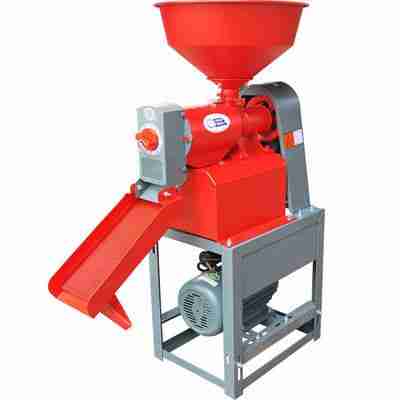
Exploring the mini rice mill Revolution in Modern Agriculture
In the landscape of modern agriculture, the emergence of mini rice mills signifies a transformative leap toward sustainability and efficiency. These compact machines offer farmers an innovative solution to the age-old challenge of rice processing. With their ability to operate on a smaller scale, mini rice mills have made it possible for smallholder farmers to refine their harvested grains without relying on large industrial setups. This paradigm shift not only enhances productivity but also empowers local economies by enabling farmers to process rice on-site, thereby reducing transportation costs and time.
The benefits of mini rice mills extend beyond mere convenience. They epitomize a blend of technology and affordability, making rice milling accessible for many. Here are some key advantages:
- Lower investment costs – Ideal for small-scale operations.
- Energy efficiency – Consumes less power compared to traditional mills.
- Flexibility – Users can process various types of rice.
- Enhanced quality control – Farmers maintain oversight of the milling process.
As the demand for high-quality rice continues to rise, mini rice mills stand out as essential tools for farmers aiming for premium output while supporting sustainable agricultural practices.

Key Advantages: How Mini Rice Mills Enhance Productivity and Reduce Costs
The advent of mini rice mills has transformed the way rice production operates, especially for small-scale farmers. These machines, compact yet highly efficient, bring several benefits that significantly enhance productivity and profitability. Firstly, their smaller size allows for easy installation in limited spaces, making them accessible for rural areas. Additionally, they require less labor, as one operator can manage the entire milling process. This reduction in manpower translates to lower operational costs and more streamlined workflows. Furthermore, mini rice mills often feature energy-efficient designs, utilizing less power per ton of rice processed, which directly contributes to cost savings.
In terms of quality, mini rice mills incorporate advanced technology that improves both the yield and the grade of the final product. With adjustable settings and precision milling capabilities, these machines ensure optimal husking and polishing, minimizing grain breakage and maximizing overall output. Some key advantages include:
- Reduced Processing Time: Quick turnaround without compromising quality.
- Customization Options: Ability to adjust settings for different rice varieties.
- Lower Initial Investment: More affordable compared to traditional milling systems.
To illustrate the impact of mini rice mills on productivity, consider the following comparison:
| Traditional Mill | mini rice mill |
|---|---|
| Requires multiple operators | Operated by a single person |
| High energy consumption | Energy-efficient operation |
| Long processing times | Fast turnaround |

Sustainability in Action: The Environmental Benefits of Mini Rice Milling
The advent of mini rice milling systems has revolutionized the agricultural landscape, particularly in areas where efficiency and environmental sustainability are paramount. These compact machines significantly reduce the carbon footprint associated with traditional milling processes. By utilizing less energy and minimizing waste, mini rice mills provide an eco-friendly alternative that aligns with global sustainability goals. For instance, they can process paddy more efficiently, resulting in:
- Reduced energy consumption: Mini mills consume significantly less power compared to their larger counterparts.
- Lower water usage: These systems require less water, helping to conserve this precious resource.
- Minimized waste production: By optimizing the milling process, there is a decrease in kernel loss and by-product waste.
In addition to their operational efficiencies, mini rice mills play a crucial role in supporting local economies and communities. By decentralizing rice milling, farmers can retain more control over their agricultural produce and reduce transportation requirements, which in turn cuts down on greenhouse gas emissions. This approach not only fosters local business growth but encourages sustainable farming practices. A closer look at the environmental impact of transitioning to mini rice mills can be illustrated in the table below, highlighting key benefits:
| Environmental Impact | Traditional Milling | Mini Rice Milling |
|---|---|---|
| Energy Consumption (kWh/ton) | 250 | 80 |
| Water Usage (liters/ton) | 500 | 200 |
| Carbon Emissions (kg CO2/ton) | 150 | 50 |
Maximizing Returns: Recommendations for Entrepreneurs and Farmers in Embracing Mini Mills
Embracing mini rice mills can significantly enhance the operational efficiency of both entrepreneurs and farmers. These compact machines not only reduce labor costs but also improve the quality of the rice being processed. By investing in a mini mill, stakeholders can enjoy a range of benefits, including:
- Increased Profit Margins: Lower production costs lead to higher returns.
- Local Value Addition: Processing rice locally stimulates the economy and creates jobs.
- Quality Control: Direct oversight ensures superior quality, attracting more customers.
- Flexibility: Mini mills can be customized to handle varying production volumes, adapting to market needs.
Furthermore, it’s essential for farmers and entrepreneurs to adopt strategic operational practices to fully leverage the advantages of mini mills. Establishing partnerships with local cooperatives can provide shared access to machinery and resources, thereby increasing efficiency and reducing risks. Also, focusing on market trends can guide decisions in:
| Focus Area | Recommendation |
|---|---|
| Product Diversification | Explore milling different grain varieties alongside rice. |
| Technological Integration | Utilize digital platforms for marketing and sales. |
| Sustainable Practices | Implement eco-friendly processing techniques to attract environmentally conscious consumers. |
Closing Remarks
In a world increasingly driven by the need for efficiency and sustainability, the mini rice mill stands out as a remarkable innovation. Its compact design not only caters to the demands of small-scale farmers and local producers but also champions an eco-friendly approach to rice milling. As we close this exploration into the rise of the mini rice mill, it’s clear that this technology is more than just a tool; it is a catalyst for empowerment and progress. By streamlining processes and providing solutions that meet the needs of communities, mini rice mills are paving the way for a smarter, more sustainable agricultural landscape. In embracing these advancements, we open doors to a future where efficiency is not merely a goal, but a standard. The journey toward unlocking efficiency has only just begun, and the impact of these small yet mighty mills will undoubtedly resonate for generations to come.



