
In the ever-evolving landscape of agriculture and food production, innovations often pave the path for remarkable changes that resonate through economies and societies alike. Among these breakthroughs, mini rice mills have emerged as a subtle yet transformative force, shifting the dynamics of grain processing in both rural and urban settings. These compact, efficient machines are not merely a nod to technological advancement; they represent a revolution in accessibility, sustainability, and empowerment for smallholder farmers. As we delve into the significance of this rising trend, we will explore how mini rice mills are redefining the way grain is harvested, processed, and distributed, offering a glimmer of hope for communities striving for self-sufficiency and resilience in the face of a changing world.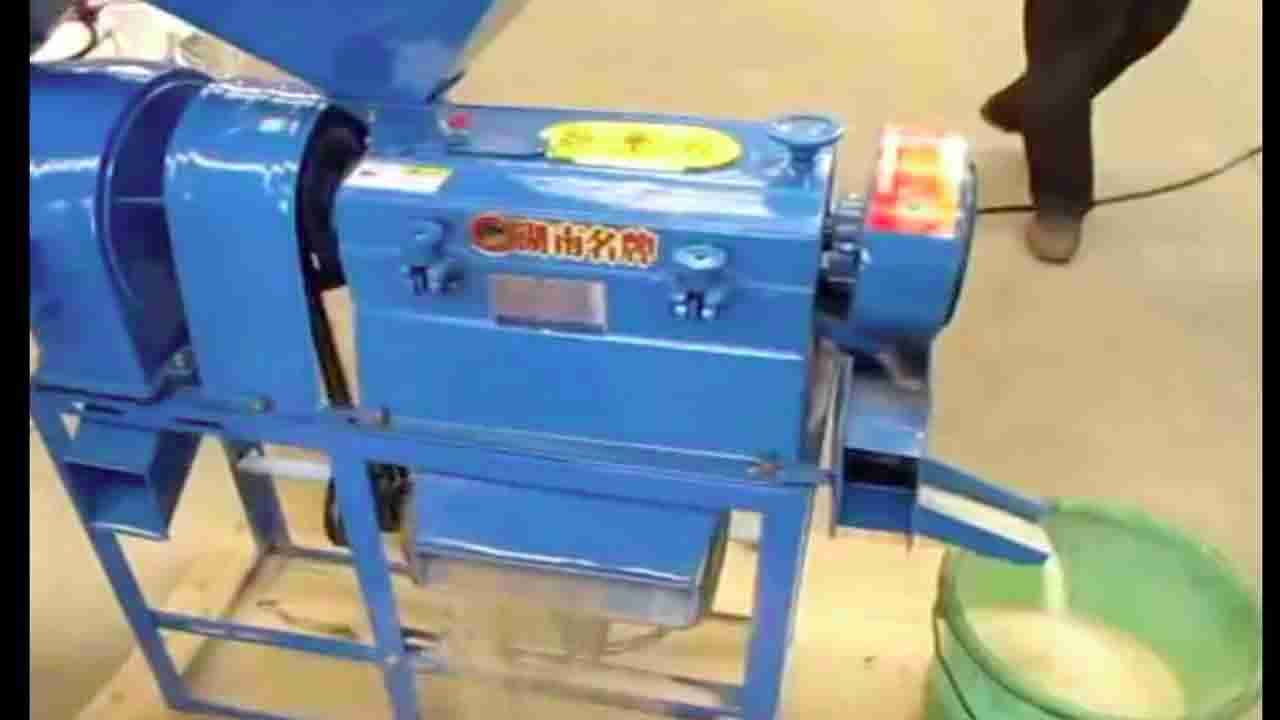
Emergence of Mini Rice Mills and Their Impact on Local Economies
The emergence of mini rice mills has sparked a transformation in local economies, particularly in rural areas where rice cultivation is prevalent. These compact and cost-effective milling units offer farmers a sustainable alternative to traditional milling methods, allowing them to process their grains with minimal investment. As a result, several advantages can be observed:
- Increased Accessibility: Mini rice mills are often more accessible than larger mills, enabling farmers to process their produce locally.
- Enhanced Profitability: By milling their own rice, farmers can cut costs associated with transportation and milling fees, thereby increasing their profit margins.
- Job Creation: The establishment of mini rice mills generates employment opportunities in communities, as operations require local workers.
Moreover, the positive ripple effects of these mills on local economies are significant. As farmers gain control over the milling process, they are more likely to invest in their farms, which leads to improved agricultural practices and increased yields. This, in turn, contributes to food security within the region. Here’s a glimpse of the economic impacts:
| Impact Area | Description |
|---|---|
| Income Stability | Farmers experience more stable incomes due to reduced costs and improved market access. |
| Local Trade | Mini mills stimulate local trade, encouraging the growth of related industries and services. |
| Cultural Preservation | Enhanced local processing sustains traditional practices and strengthens community ties. |

Innovative Technology Driving Efficiency and Sustainability in Grain Processing
In the world of grain processing, the advent of mini rice mills has introduced a wave of innovation that is reshaping the industry landscape. These compact machines are not just smaller versions of traditional mills; they are engineering marvels designed to optimize resource utilization while enhancing output efficiency. With advanced features such as automated settings and precise milling mechanisms, mini rice mills provide grains with a superior finish, helping to preserve nutritional value and taste. The compact design also enables them to be set up in remote areas, reducing transportation costs and directly benefiting local farmers.
Moreover, the shift towards mini rice mills embodies a commitment to sustainability. By minimizing energy consumption and optimizing water usage, these mills significantly lower the carbon footprint associated with grain processing. Features such as renewable energy integration, including solar power compatibility, further underline this focus on environmental stewardship. The reduced scale of operations not only enhances community resilience, but it also fosters a new business model that promotes circular economy principles within the agrarian sector, encouraging local sourcing and reducing waste. The collaboration of technology with traditional practices is setting a bold precedent for how grains can be processed sustainably in the future.
| Feature | Benefits |
|---|---|
| Compact Design | Easy to transport and set up |
| Energy Efficiency | Lower operational costs and reduced carbon footprint |
| Local Processing | Fosters community engagement and reduces transportation needs |

Empowering Small Farmers: Access, Affordability, and Quality Improvements
In rural communities where the production of grains is a predominant livelihood, the introduction of mini rice mills has significantly transformed the landscape for small farmers. These compact, efficient machines provide affordable access to processing technology that was once prohibitively expensive. By enabling farmers to mill their own rice, they can avoid the middlemen who often exploit their lack of resources. This direct control not only enhances their income potential but also allows them to respond more effectively to market demands. The growth of local milling operations fosters economic resilience and empowers farmers to invest in their own futures.
Furthermore, mini rice mills ensure a notable improvement in grain quality, significantly impacting the nutritional value and marketability of the produce. Farmers can produce freshly milled rice that retains better flavor and nutritional content, appealing to health-conscious consumers. The mills also provide ongoing training and support, enhancing farmers’ skills in quality control and operational management. Key benefits include:
- Increased Profit Margins: Lower processing costs boost overall profits.
- Enhanced Food Security: Local milling ensures reliable access to staple foods.
- Community Development: Milling facilities create jobs and stimulate local economies.
To evaluate the impact of mini rice mills, a comparative analysis illustrates their advantages over traditional milling methods:
| Aspect | Traditional Milling | Mini Rice Mills |
|---|---|---|
| Initial Cost | High | Low |
| Processing Time | Long | Quick |
| Product Quality | Variable | Consistent |
This shift towards localized, small-scale milling solutions is paving the way for a new era in agriculture, one where small farmers are not merely participants but vital players in the food supply chain.
Future-Proofing Agriculture: Strategies for Integrating Mini Rice Mills in Rural Communities
Integrating mini rice mills into rural communities offers a transformative approach to enhancing agricultural productivity and economic stability. By localizing the milling process, farmers can significantly reduce post-harvest losses and enhance the quality of their produce. Incorporating these mills not only streamlines operations but also brings several socio-economic benefits:
- Increased Income: Local milling helps farmers retain a larger portion of their profits by cutting out middlemen.
- Job Creation: Mini rice mills require operators and support staff, which fosters community employment.
- Food Security: By enabling local processing, communities can ensure a steady supply of rice, reducing dependency on distant suppliers.
The successful implementation of mini rice mills hinges on community engagement and support. Comprehensive training programs should be established to educate farmers on the optimal use of these machines, emphasizing sustainability and efficiency. Furthermore, establishing cooperative models can empower communities to manage and maintain the mills collectively. A holistic approach may include:
- Access to Financing: Collaborating with local banks or NGOs to provide affordable loans for mill purchases.
- Partnerships: Forming alliances with agricultural extension services can facilitate knowledge sharing.
- Regular Maintenance: Setting up scheduled maintenance programs to ensure machine longevity and reliability.
To Wrap It Up
As we journey through the world of grain processing, it becomes evident that mini rice mills are not merely a trend; they represent a significant shift in the agricultural landscape. These compact yet powerful machines are democratizing rice production, empowering small-scale farmers and local communities alike. By enhancing access to modern milling technology, they are not only improving the quality of rice but also fostering economic resilience.
The rise of mini rice mills reflects the wider movement towards sustainable agriculture, where innovation serves as a catalyst for change. As we look to the future, it is clear that these mills will play a pivotal role in redefining traditional practices, providing an opportunity for farmers to maintain autonomy over their produce and contribute to local food systems.
In the grand tapestry of agriculture, mini rice mills stand as a testament to the potential of creative solutions and local ingenuity. As they continue to proliferate, they hold the promise of transforming rice milling into an enterprise that is both efficient and inclusive, paving the way for a new era in grain processing. The revolution has begun—are we ready to embrace it?



