
In a world where innovation and tradition intersect, the journey of transforming grains into sustenance has continuously evolved, embracing both ancient practices and modern technology. The unveiling of a groundbreaking 2-ton rice mill plant project marks a pivotal moment in agricultural advancement, promising to redefine the processing of one of the world’s staple foods. This substantial endeavor not only highlights the intricacies involved in rice milling but also emphasizes the importance of efficiency and sustainability in food production. As we explore the details of this ambitious project, we will examine its potential impact on local economies, environmental considerations, and the future of grain processing. Join us as we delve into the mechanisms of this state-of-the-art facility and the transformative power it holds for the agricultural landscape.
Understanding the Benefits of a Modern rice mill plant for Local Economies
Investing in a modern rice mill plant not only enhances production efficiency but also significantly impacts local economies. By introducing advanced technology and processes, these facilities can increase the yield of high-quality rice, thereby boosting the profitability of local farmers. This translates into a robust supply chain where local producers can enjoy greater margins, leading to increased reinvestment in their farms. Consequently, a ripple effect emerges in the community, as improved incomes lead to enhanced spending on local goods and services, fostering economic growth.
Moreover, a state-of-the-art rice mill can create numerous job opportunities within the locality, ranging from skilled positions in machinery operation to administrative roles in marketing and sales. A modern plant often necessitates a team of qualified professionals, ultimately contributing to skill development among the workforce. Beyond direct employment, such facilities can stimulate ancillary businesses, including transportation and maintenance services. This interconnection between different sectors results in a sustainable economic environment that thrives on innovation and community collaboration.
| Benefit | Description |
|---|---|
| Increased Efficiency | Advanced machinery processes rice more quickly and with less waste. |
| Job Creation | New positions in operation, maintenance, and administration are created. |
| Support for Local Farmers | Higher quality and yields lead to better pricing and income for farmers. |
| Economic Growth | Increased spending on local goods and services stimulates the economy. |

Key Technologies and Innovations Driving Efficiency in Grain Processing
In today’s rapidly evolving agricultural landscape, the integration of advanced technologies is reshaping the grain processing industry. One of the standout innovations is automated milling systems that significantly enhance operational efficiency and reduce labor costs. These systems utilize sensors and AI algorithms to optimize the milling process, ensuring that grains are processed with maximum yield and minimal waste. Moreover, the introduction of smart monitoring systems allows for real-time tracking of production metrics, meaning potential issues can be addressed before they escalate into costly downtimes.
Another pivotal advancement is the development of energy-efficient machinery that minimizes environmental impact while maximizing output. Modern rice mills now feature high-performance dehusking machines and optimum drying technology, which not only preserves the quality of grains but also cuts down on energy consumption. Additionally, innovations such as blockchain technology are being implemented to enhance traceability throughout the supply chain. This fosters greater transparency, enabling stakeholders to monitor every stage from farm to market, thus instilling trust and ensuring product integrity.
| Technology | Benefits |
|---|---|
| Automated Milling Systems | Increased efficiency, reduced labor costs. |
| Smart Monitoring Systems | Real-time tracking, proactive issue resolution. |
| Energy-Efficient Machinery | Lower energy costs, minimized environmental impact. |
| Blockchain Technology | Enhanced traceability, greater trust in supply chain. |
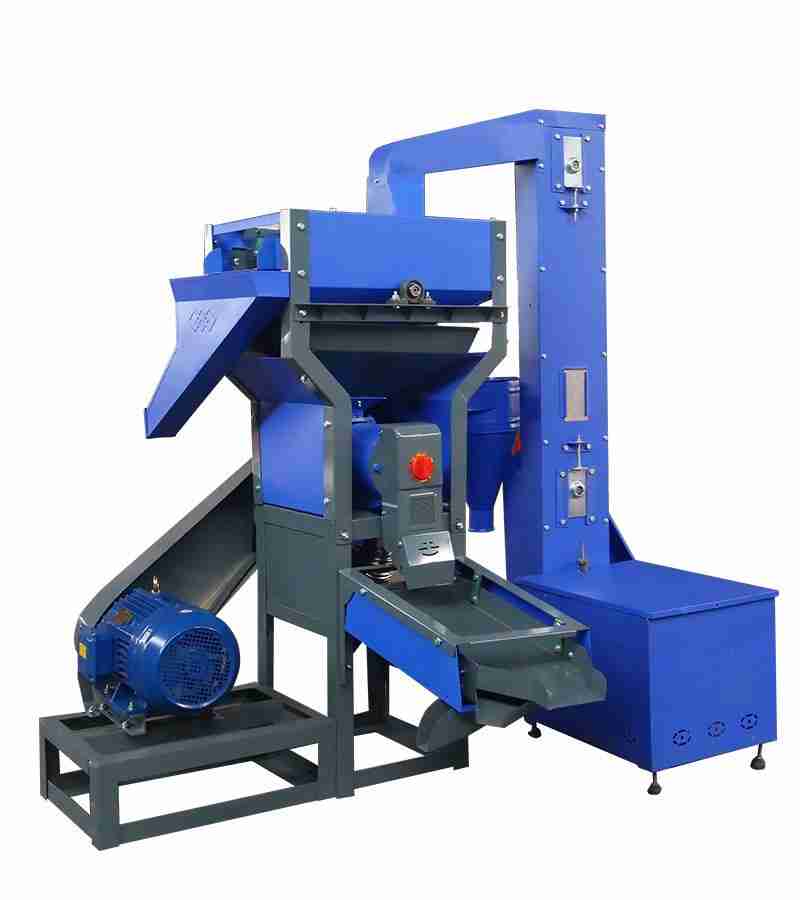
Navigating the Challenges of Establishing a Large-Scale Rice Mill
Establishing a large-scale rice mill is no small feat, as the project must navigate a multitude of challenges ranging from site selection to regulatory compliance. Choosing the optimal location is essential; the rice mill needs to be strategically positioned near paddy fields to minimize transportation costs. Key considerations include:
- Access to Raw Materials: Proximity to rice farmers ensures a steady supply of paddy.
- Logistical Advantages: Accessibility to major roads for efficient distribution.
- Community Engagement: Building relationships with local farmers to foster a supportive ecosystem.
Once a location is secured, investment in technology and equipment becomes paramount. The rice milling process requires sophisticated machinery that is both cost-effective and efficient. This may pose challenges such as:
- Budget Constraints: High-quality equipment is often a significant upfront investment.
- Technical Expertise: Finding skilled operators who can manage the complex machinery.
- Maintenance Planning: Developing a strategy for regular maintenance to ensure long-term operation.
| Investment Area | Estimated Cost |
|---|---|
| Site Development | $50,000 |
| Machinery | $120,000 |
| Licenses & Permits | $10,000 |
| Initial Workforce Training | $15,000 |
Best Practices for Sustainable Operations and Community Engagement in Rice Milling
Optimizing rice milling operations for sustainability hinges on implementing practices that minimize environmental impact while maximizing community welfare. Key strategies include:
- Energy Efficiency: Utilize energy-efficient machinery and explore renewable energy sources, such as solar panels, to reduce reliance on fossil fuels.
- Water Management: Implement water recycling systems to minimize water usage during processing, alongside rainwater harvesting to supplement water supply.
- Waste Utilization: Convert milling byproducts, like rice husks and bran, into biofuel or compost, promoting a circular economy.
- Regular Training: Conduct workshops for staff on sustainable practices, ensuring everyone is engaged in the environmental efforts.
Community engagement is equally vital for the sustainable growth of rice milling enterprises. Strengthening ties with local stakeholders can transform operations into assets that benefit all. Strategies to enhance community involvement include:
- Local Sourcing: Collaborate with local farmers to source rice, supporting the local economy and ensuring the freshest produce.
- Education Initiatives: Launch programs to educate the community on sustainable agricultural practices, fostering awareness and motivating collective action.
- Feedback Mechanisms: Establish channels for community feedback, enabling residents to voice their needs and collaborate on solutions.
- Job Creation: Focus on employing local talent, which not only helps reduce unemployment but also strengthens community bonds.
| Sustainable Practice | Community Impact |
|---|---|
| Energy-efficient machinery | Lower operational costs |
| Water recycling systems | Sustained local water sources |
| Community training programs | Empowered workforce |
Key Takeaways
As we conclude our exploration of the transformative journey encapsulated in the unveiling of the 2-ton rice mill plant project, it becomes evident that this venture is more than just a technological achievement; it symbolizes a shift towards sustainable agricultural practices and economic empowerment. By harnessing innovative milling techniques, the project not only promises to enhance the quality of rice production but also aims to uplift local farmers and communities, fostering a sense of shared progress.
The road ahead may be punctuated with challenges, yet the potential for positive impact is immense. As we watch this project unfold, it serves as a beacon of hope, demonstrating that with the right tools and vision, we can transform the way we handle grain, enrich lives, and pave the way for a more resilient agricultural future. Whether you’re a farmer, a consumer, or simply an interested observer, the ripples of this initiative will surely be felt across the industry and beyond. We invite you to stay tuned; the story of this mill plant is just beginning, and its influence may resonate for generations to come.



