
Revolutionizing Agriculture: The Impact of Combine Mini Rice Mills
In an age where innovation meets the age-old practice of farming, the agricultural sector stands on the brink of a transformation. Enter the combine mini rice mill—an emblem of modern engineering tailored to meet the nuanced needs of smallholder farmers. These compact powerhouses not only optimize the rice milling process but also offer a lifeline to rural communities striving for efficiency and sustainability. As global demand for food surges amidst escalating environmental challenges, the advent of combine mini rice mills presents an opportunity to rethink traditional farming methods. This article delves into the multifaceted impacts of these machines, exploring how they are shaping the future of rice production and influencing economic growth in agricultural hotspots around the world.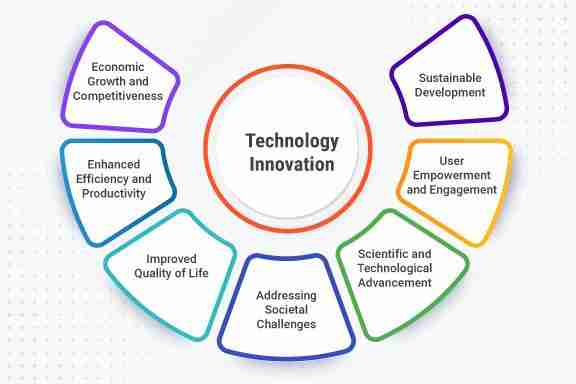
Innovative Technology and Its Role in Mini Rice Mills
As the agricultural landscape transforms, mini rice mills have emerged as a beacon of innovation, leveraging cutting-edge technology to enhance productivity and efficiency. These compact systems integrate modern milling techniques with state-of-the-art machinery, minimizing energy consumption while maximizing output. By employing advanced sensors and automation, operators can monitor grain quality in real time, ensuring only the finest rice reaches consumers. Furthermore, digital platforms allow for streamlined operations, from inventory management to predictive maintenance, reducing downtime and enhancing profitability for farmers.
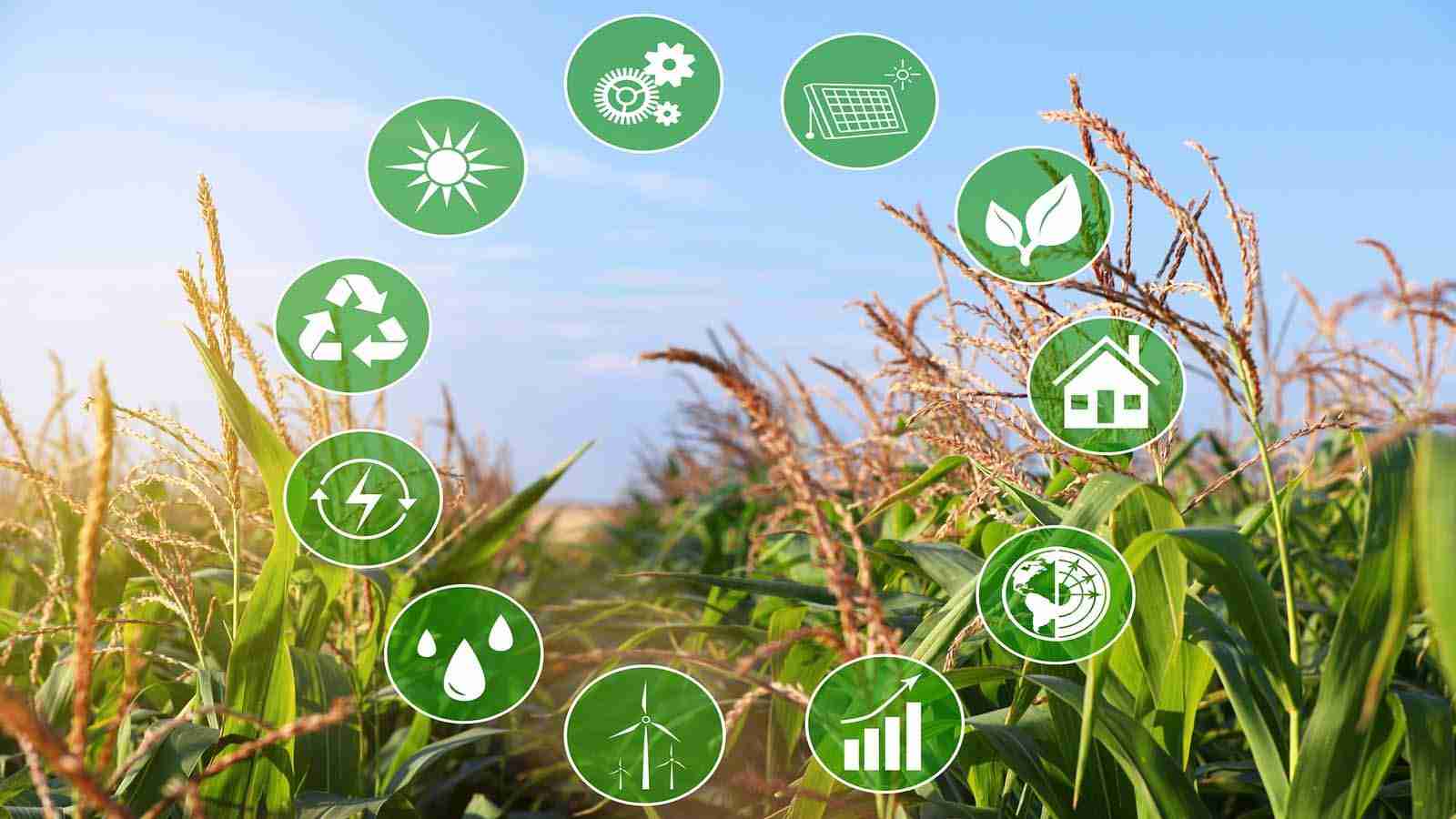
The role of technology extends beyond mere machinery; it encapsulates a holistic approach to sustainability. Mini rice mills are increasingly designed with eco-friendly features that reduce waste and lower carbon footprints. For instance, the incorporation of biomass energy systems allows byproducts to be repurposed for energy generation, creating a closed-loop cycle that benefits the environment. As farmers adopt these innovative practices, they not only improve their output but also contribute to a more sustainable agricultural framework. This synergy between technology and tradition signals a new era in rice production, where efficiency meets ecological responsibility.
Enhancing Crop Efficiency and Yield Through Modernization
Modernization in agriculture is not merely a trend; it is a transformative movement that addresses the critical need for higher crop efficiency and yield. By leveraging the capabilities of combine mini rice mills, farmers are experiencing a substantial improvement in their rice production processes. These innovative machines allow for rapid harvesting and processing, which significantly reduces the time between cultivation and market readiness. By integrating technology into everyday farming practices, growers can ensure that even smaller plots of land yield maximum results, fostering sustainability in agricultural endeavors.
The efficiency of these mini rice mills can be observed through various enhancements they bring to traditional farming methods:
- Reduced Labor Costs: Automation minimizes the need for extensive manual labor.
- Improved Quality: These machines provide superior milling processes that maintain grain integrity.
- Optimal Resource Utilization: Water and energy consumption is significantly lower compared to conventional methods.
- Increased Production Speed: The entire cycle from harvest to milling is accelerated, ensuring fresher products.
| Feature | Benefit |
|---|---|
| Compact Design | Easy maneuverability in small fields |
| Fuel Efficiency | Lower operating costs on fuel |
| Multi-functionality | Various operations in one machine |
This evolution brings with it the promise of not just improved yields but also a new standard of efficiency that respects both the environmental and economic realities of farming today. As farmers adopt these technologies, they are empowered to meet the growing demand for rice while ensuring that their agricultural practices remain resilient and sustainable.

Economic Benefits for Small Scale Farmers and Rural Communities
The introduction of combine mini rice mills marks a transformative shift for small-scale farmers and rural communities, fostering economic growth in regions that rely heavily on agriculture. By streamlining the milling process, these innovative machines minimize post-harvest losses and ensure a higher quality of produce, directly benefiting farmers. The economic impact is multifaceted:
- Increased Income: Farmers save time and reduce labor costs, allowing them to allocate resources elsewhere or expand their operations.
- Job Creation: The establishment of local milling services can create employment opportunities within communities, enhancing local economies.
- Enhanced Market Access: With improved milling capabilities, farmers can engage more effectively with markets, thus accessing better prices for their produce.
Moreover, the accessibility of combine mini rice mills contributes to a robust local economy. Rural communities benefit from:
| Economic Benefit | Description |
|---|---|
| Cost Efficiency | Lower transportation costs as milling occurs locally. |
| Value Addition | Turning raw paddy into milled rice increases its market value. |
| Community Growth | As local businesses thrive, overall community development accelerates. |
Through these economic channels, small-scale farmers are not just surviving but thriving, paving the way for sustainable agricultural practices that stabilize rural economies.
Sustainable Practices: The Environmental Advantages of Mini Rice Milling
The integration of mini rice milling technology into agricultural practices not only boosts productivity but also champions sustainable development. By utilizing locally sourced materials and reducing transportation needs, these compact mills significantly decrease carbon emissions associated with rice processing. The reduction in energy consumption is another key advantage, as mini rice mills often operate with lower power requirements compared to traditional milling facilities. This energy efficiency contributes to a reduced overall carbon footprint, fostering environmental stewardship within rural communities.
Furthermore, mini rice milling promotes waste minimization by optimizing raw material usage. The process generates fewer by-products, as the innovation in milling techniques allows for higher extraction rates of edible rice. Additionally, the by-products generated, such as rice husk, can be repurposed for various applications including:
- Biofuel production
- Animal feed
- Organic fertilizers
This circular approach not only enhances resource efficiency but also nurtures the soil, improving its health and productivity over time. As a result, mini rice milling stands as a beacon of sustainable practices, harmonizing agricultural productivity with environmental conservation.
The Way Forward
As we stand on the brink of a new agricultural era, the introduction of combine mini rice mills signifies more than just a technological advancement; it heralds a shift in how we perceive farming and its potential to support livelihoods. By marrying efficiency with sustainability, these innovative machines are empowering smallholder farmers, reducing labor costs, and significantly increasing crop yields.
Yet, the impact of combine mini rice mills extends beyond mere productivity; they offer a tangible solution to food security challenges and rural poverty. As communities embrace this change, we witness the dawn of a more resilient agricultural framework—one that not only nurtures crops but also cultivates hope and prosperity.
In a world increasingly focused on sustainable practices, the ripple effects of this revolution in rice milling are likely to be felt far and wide. With ongoing advancements and adaptability, the potential is boundless. As we look towards the future, it becomes clear that revolutionizing agriculture requires not just innovation, but a commitment to uplifting the very farmers who feed the world. The journey has just begun, and the fields are ready for transformation.



