
In the heart of a bustling rice field, where golden grains sway gently in the breeze, a quiet revolution is unfolding. As the world pivots toward sustainable agriculture and localized food production, portable rice milling machines are emerging as pivotal tools in the journey toward efficiency and productivity. Gone are the days when milling was a labor-intensive process confined to large facilities; now, small-scale farmers and cooperative groups are discovering the transformative power of these compact and agile machines. This article explores the rise of portable rice milling technology, shedding light on how it is reshaping the agricultural landscape, enhancing livelihoods, and promoting food security across diverse regions. By delving into the mechanics, benefits, and real-world applications of these innovations, we aim to unlock the potential they hold for farmers and communities alike. Join us as we navigate this exciting terrain where tradition meets modernity, and efficiency becomes accessible to all.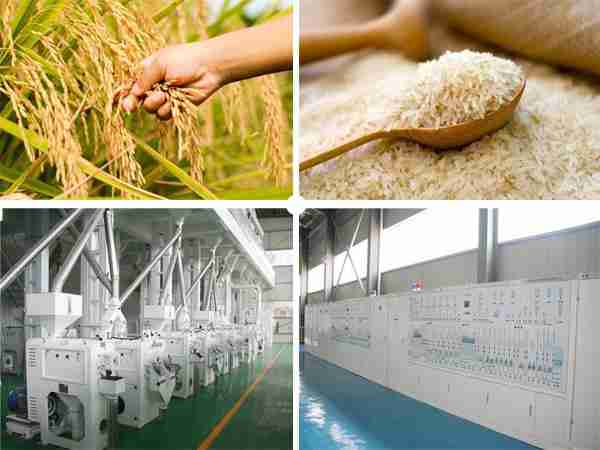
The Evolution of Rice Milling Technology and its Impact on Agriculture
The journey of rice milling technology has seen remarkable transformations, leading to significant changes in agricultural practices and productivity levels. Traditionally, rice was milled using manual methods, which not only required substantial physical effort but also resulted in high post-harvest losses. Over time, the introduction of mechanized milling systems revolutionized the industry, making it easier to process rice quickly and efficiently. With advancements in technology, portable rice milling machines have emerged at the forefront, offering farmers the flexibility to mill rice on-site, minimizing transportation costs, and reducing the risk of spoilage.
These machines are designed to cater to the diverse needs of smallholder farmers and larger agricultural enterprises alike. Their compact size, low energy requirement, and user-friendly operation have made them accessible to a broader audience. Some of the notable advantages of portable rice milling machines include:
- Time Efficiency: Instant milling allows farmers to complete processing in a fraction of the time.
- Quality Control: Increased control over the milling process leads to higher quality rice.
- Reduced Waste: Advanced technology ensures minimal loss of grain during processing.
- Cost-Effectiveness: Lower operational costs lead to increased profitability for farmers.

Enhancing Productivity: Key Features of Modern Portable Rice Milling Machines
Modern portable rice milling machines have revolutionized the way rice is processed, offering a range of features that significantly enhance productivity. One of the standout characteristics is their compact design, which facilitates easy transportation and operation in various locations, whether on farms or at market sites. This portability does not sacrifice power; many models are equipped with high-efficiency motors that can process large quantities of rice quickly, reducing the time and labor needed for milling operations.
Moreover, these machines often come with integrated cleaning systems that ensure the rice is free from impurities before milling, further improving output quality. User-friendly interfaces and automated controls allow operators to adjust settings easily, optimizing the milling process for different rice varieties. Some advanced models even feature smart technology integrations, such as real-time monitoring and data analytics, providing operators with valuable insights on performance and efficiency. These innovations not only streamline the milling process but also open new avenues for maximizing profitability while meeting the diverse needs of consumers.

Sustainable Solutions: Economic and Environmental Benefits of Mobility
The introduction of portable rice milling machines represents a significant shift toward sustainable agricultural practices that not only enhance operational efficiency but also yield substantial economic and environmental benefits. By enabling farmers to process their rice harvest on-site, these machines drastically reduce transportation needs, effectively minimizing the related carbon footprint. The convenience of local milling eliminates the reliance on large, centralized facilities, allowing smallholder farmers to retain greater control over their production processes and fairer pricing. In turn, this can lead to enhanced income stability and improved livelihoods for rural communities.
Moreover, the adoption of these innovative milling machines encourages the responsible utilization of resources while also promoting sustainable farming practices. The reduction of waste is a key component, as farmers can take full advantage of their entire crop without the losses typically incurred during long-distance transport. Benefits extend beyond economic factors, as this localized approach to rice milling also helps preserve the freshness and quality of the grains, contributing to improved nutrition for local populations. Key advantages include:
- Cost Efficiency: Lower transportation costs and reduced processing fees.
- Resource Conservation: Minimized waste and better utilization of agricultural products.
- Community Empowerment: Strengthened local economies and increased opportunities for farmers.
Choosing the Right Machine: A Guide to Factors and Recommendations for Farmers
When selecting a portable rice milling machine, several critical factors should guide your decision-making process. First and foremost, consider the capacity of the machine, which should align with your farming scale and production needs. A machine that can process a higher volume will save time and labor, making it essential for larger farms. Additionally, pay attention to the power source; options may include electric, diesel, or even solar-powered models, depending on your location and accessibility to power supplies. Lastly, ensure that the maintenance and service availability in your area is robust, as this can significantly affect your operation’s longevity and efficiency.
Another important aspect to consider is the mobility of the machine. Opt for models that are lightweight and easy to transport, allowing for streamlined operations directly on the field. Likewise, the technology features integrated into the machine, such as automated settings and digital displays, can enhance the user experience and lead to more precise milling results. The following table outlines some of the top-rated portable rice milling machines for farmers, featuring their capacities, power sources, and key advantages:
| Machine Model | Capacity (kg/hr) | Power Source | Features |
|---|---|---|---|
| EcoMill 3000 | 500 | Electric | Compact, Automated |
| DuraMill Pro | 1000 | Diesel | Heavy-duty, High Output |
| SmartRice M500 | 600 | Solar | Eco-friendly, User-friendly |
Key Takeaways
the emergence of portable rice milling machines represents a significant leap toward revitalizing rural agriculture and enhancing food security. These innovative tools not only streamline the milling process but also empower farmers with the autonomy to transform their harvests into market-ready products with remarkable efficiency. As we continue to witness advancements in agricultural technology, it’s clear that such machines are more than just tools; they symbolize a shift towards a future where sustainability and productivity go hand in hand. As the landscape of agriculture evolves, embracing these portable solutions could become a vital strategy for improving livelihoods and fostering economic resilience in rice-growing communities worldwide. The journey of unlocking efficiency in every grain harvested is just beginning, and its impact may well reverberate through the ages.



