
From Farm to Fork: The Journey of Paddy Processing
In the serene expanse of lush green fields, where the whisper of the wind dances through swaying stalks of rice, a remarkable journey unfolds—one that transforms humble grains into the cornerstone of global cuisine. Paddy, the lifeblood of countless cultures, travels far beyond its origins, embarking on a meticulous adventure that involves careful cultivation, precise harvesting, and intricate processing before reaching our plates. This article delves into the fascinating path of paddy processing, shedding light on each pivotal stage from the sun-kissed paddies to the bustling kitchens and dining tables worldwide. Join us as we explore the intricate tapestry woven by tradition, technology, and the tireless hands of farmers and workers dedicated to bringing this staple to our forks.
The Cultivation Stage: Seeds, Soil and Sustainable Practices
At the heart of paddy cultivation lies a harmonious relationship between seeds, soil, and sustainable agricultural practices. Farmers select high-quality seeds that are not only resilient to local environmental conditions but also capable of yielding nutritious grains. Each seed sown into the earth is an investment in the future, requiring careful consideration of its varietal traits and growth potential. Coupled with this selection process is the importance of soil health. Healthy soil is a bustling ecosystem, rich in organic matter and nutrients, which supports robust plant growth. Sustainable practices such as crop rotation and cover cropping enrich the soil, ensuring that it remains fertile and capable of producing healthy harvests year after year.
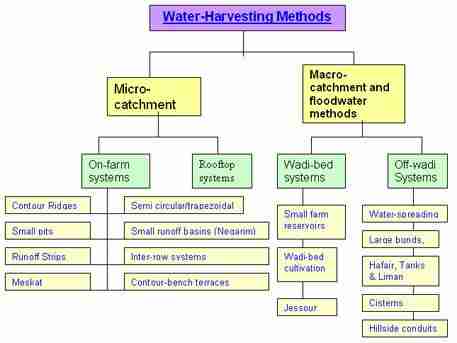
Water management is another crucial aspect of the cultivation stage, especially for paddy fields that thrive in flooded conditions. Farmers often employ traditional methods like bunding and irrigation systems to control water flow, ensuring optimal growth while minimizing waste. In addition, modern innovations are paving the way for sustainable practices that protect the environment. For instance, integrated pest management reduces the reliance on harmful chemicals, fostering biodiversity and maintaining ecological balance. Key sustainable techniques include:
- Organic Fertilization: Utilizing compost and green manure to enrich the soil.
- Minimal Tillage: Preserving soil structure and reducing erosion.
- Water-Conserving Technologies: Implementing drip irrigation and rainwater harvesting.
The culmination of these efforts reflects a commitment to responsible farming and a sustainable future, paving the way for healthy crops that follow a path from farm to table.
Harvesting Techniques: Balancing Tradition and Technology
In the age-old practice of paddy harvesting, farmers have often relied on traditional methods, utilizing tools like sickles and plows that have been passed down through generations. These techniques not only honor cultural heritage but also promote sustainability by being eco-friendly and minimally invasive to the soil structure. However, as the global agricultural landscape evolves, integrating modern technology has become crucial for improving efficiency and crop yields. Mechanized harvesters, for instance, can significantly reduce the time and labor needed for harvesting while ensuring that the grains are less susceptible to damage. This fusion of old and new not only enhances productivity but also helps maintain the quality of the harvested paddy, ensuring that the grains are ready for processing.
The careful balance between traditional harvesting methods and cutting-edge technology is key to a successful paddy farming strategy. Innovations like precision agriculture tools allow farmers to monitor crop health and soil conditions more effectively, while traditional techniques ensure that the connection to the land remains intact. Some effective techniques that embody this balance include:
- Integrated Pest Management: Combining natural pest control methods with targeted interventions.
- Drone Surveillance: Using drones to assess crop conditions and optimize harvesting schedules.
- Mechanized and Manual Co-operation: Employing machinery for large-scale harvesting while reserving manual methods for smaller, delicate plots.
Ultimately, the convergence of these approaches not only promotes resilience in the face of climate change but also empowers farmers by allowing them to adopt practices that best suit their unique circumstances. While technology may streamline the process, the enduring wisdom inherent in traditional techniques serves as a vital compass, guiding the way forward.
Processing Methods: Transforming Paddy into Polished Rice
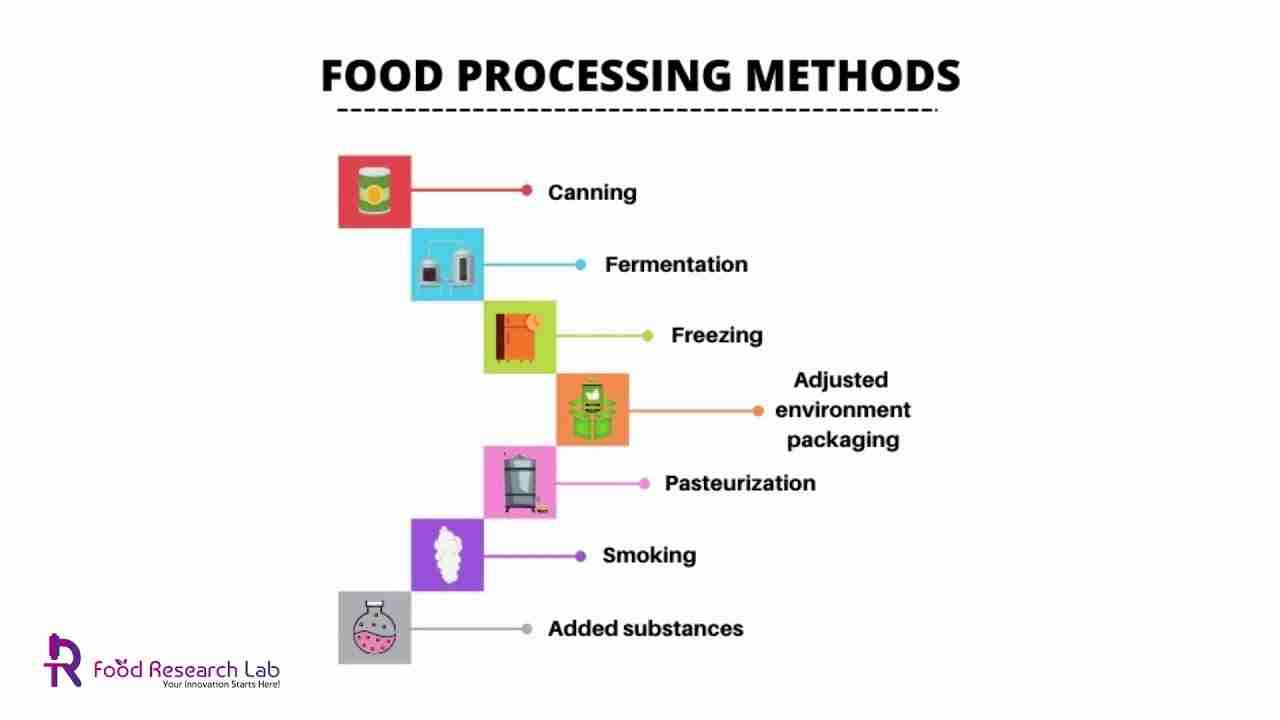
Paddy, once harvested, embarks on a transformative journey through various processing methods that ultimately yield polished rice, suitable for consumer tables across the globe. The initial phase begins with threshing, where the stalks are mechanically or manually struck to separate the grains from the husks. Following this, the grains go through drying to reduce moisture content, preventing spoilage and ensuring adequate storage. The next critical step is milling, comprising two primary methods: traditional stone milling or modern mechanical milling. While traditional methods retain more nutrients and flavor, modern techniques enhance efficiency and speed, giving rise to massive quantities of polished rice ready for distribution.
After the milling process, the rice undergoes additional processes to achieve the desired quality. Polishing serves to remove any remaining bran layers and dust, resulting in the glossy appearance associated with polished rice. Here, the rice often meets its final quality assessment stages, where it’s categorized by grain size, color, and texture. To ensure consistency and quality, processors may utilize various techniques, including sorting by high-tech machines and packaging to extend shelf life. Below is a concise overview of common methods employed in the rice processing journey:
| Processing Method | Description |
|---|---|
| Threshing | Separating grains from stalks. |
| Drying | Reducing moisture content to prevent spoilage. |
| Milling | Removing husk and bran layers. |
| Polishing | Enhancing appearance and texture of rice. |
| Sorting | Ensuring uniformity and quality control. |
| Packaging | Sealing for distribution and preservation. |
Distribution Networks: Ensuring Freshness from Farm to Table
The journey of paddy processing doesn’t end at the mill; it extends further into intricate distribution networks that play a pivotal role in maintaining the freshness and quality of rice. These networks are designed to minimize the time between harvest and consumer, ensuring that the grains retain their essential nutrients and flavor. Key components of an effective distribution system include:
- Temperature Control: Utilizing refrigerated transport to preserve freshness.
- Efficient Logistics: Implementing smart routing and scheduling to reduce delays.
- Quality Assurance: Conducting regular checks during transit to maintain standards.
By leveraging modern technology, suppliers can track paddy at every stage, ensuring transparency and traceability. This is essential for gaining consumer trust and meeting regulatory standards. Below is an example of how distribution tactics can be broken down:
| Distribution Method | Description | Benefits |
|---|---|---|
| Direct Shipping | Paddy sent directly from the mill to retailers. | Faster delivery, less spoilage. |
| Local Warehousing | Short-term storage facilities close to markets. | Easier access to local demand. |
| Online Distribution | Utilizing e-commerce platforms for consumer sales. | Broader reach and convenience for buyers. |
Final Thoughts
As we conclude our exploration of the journey from farm to fork in paddy processing, it becomes clear that this humble grain is far more than just a staple in our diets; it is a testament to human innovation and resilience. Each step in this intricate process, from cultivation in fertile fields to the bustling mills where grains are polished to perfection, reflects the dedication of countless farmers and workers who ensure quality and sustainability at every turn.
As consumers, we often overlook the remarkable journey our food undertakes before it reaches our plates. By understanding the complexities behind paddy processing, we cultivate a deeper appreciation for the agricultural practices, labor, and resources that fuel our daily meals. In a world increasingly concerned with food security and environmental impact, recognizing the significance of our choices—from the types of rice we purchase to the practices we support—can shape a more sustainable future.
So, the next time you savor a warm bowl of rice, take a moment to reflect on the journey it has made. In every bite, there lies a story of nature, nurture, and the continuous interplay between tradition and innovation. Together, let’s honor that journey, advocating for practices that champion the well-being of our planet and the communities that sustain us. From farm to fork, the journey is not just about food—it’s about connection, stewardship, and the shared promise of nourishment for generations to come.



