
In the hushed fields of Asia, a quiet revolution is brewing – the grain revolution. As technology continues to evolve, innovations in rice mill plants are reshaping the way we cultivate and process one of the world’s most vital food sources. Join us as we explore the cutting-edge advancements that are revolutionizing the way rice is harvested, milled, and enjoyed around the globe.
Revolutionizing Rice Processing: The Advancements in Rice Mill Plants
Rice processing has seen incredible advancements in recent years, revolutionizing the way we mill and process this staple grain. Innovations in rice mill plants have led to increased efficiency, improved quality, and reduced waste in the production process.
Some of the key advancements in rice mill plants include:
- Automation: Incorporating automation technology has led to increased efficiency and consistency in rice processing.
- Smart Sensors: Smart sensors are being used to monitor and control various aspects of the milling process, ensuring optimal results.
- Energy Efficiency: Modern rice mill plants are designed to be more energy-efficient, reducing the environmental impact of rice processing.

Efficiency Boost: Cutting-edge Technologies in Rice Milling Machinery
Rice milling machinery has undergone a significant transformation in recent years, thanks to cutting-edge technologies that have revolutionized the industry. These innovative advancements have not only improved the efficiency of rice mill plants but have also enhanced the overall quality of the final product. With the integration of state-of-the-art equipment and automation processes, rice millers can now experience a seamless production process that maximizes output while minimizing waste.
One of the key benefits of these modern technologies is the reduction in operating costs and labor requirements. Advanced machinery such as precision rice milling machines and automated sorting systems enable a faster and more accurate processing of rice grains, resulting in higher productivity rates. Additionally, the integration of IoT sensors and data analytics allows for real-time monitoring and optimization of the milling process, ensuring consistent quality and improved yield. With these advancements, rice millers can stay ahead of the curve in an ever-evolving industry, driving the grain revolution forward.
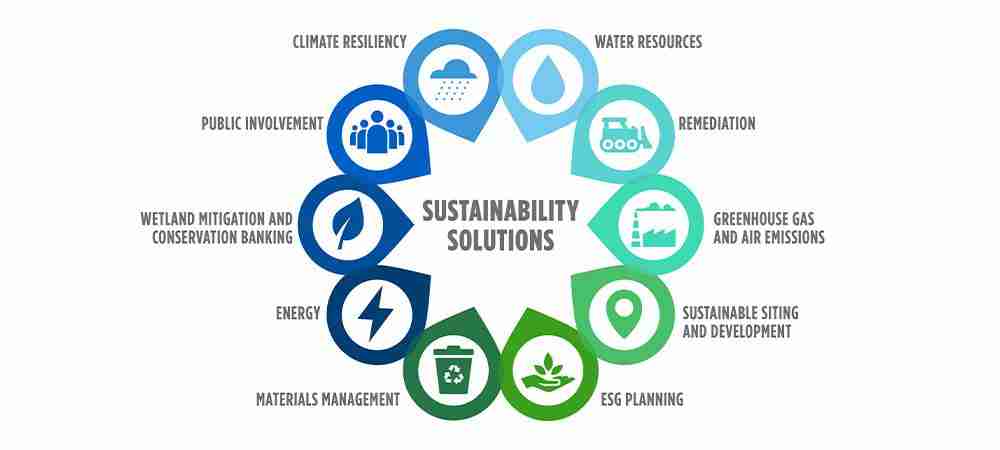
Sustainable Solutions: Eco-friendly Practices in Modern Rice Processing Plants
Rice mill plants have undergone a revolutionary transformation in recent years, embracing eco-friendly practices to achieve sustainable solutions in the processing industry. These modern facilities are integrating innovative technologies and green initiatives to reduce waste, minimize energy consumption, and lower their carbon footprint.
From utilizing advanced machinery for more efficient production to implementing water-saving techniques, rice mill plants are paving the way for a greener future in agriculture. By prioritizing eco-friendly practices, these processing facilities not only contribute to environmental conservation but also set a standard for the industry as a whole. Embracing sustainability is not just a trend but a necessary step towards a more responsible and environmentally conscious approach to rice production.
Enhancing Quality: Innovations in Grading and Sorting Systems
Rice mill plants have undergone a significant transformation in recent years, thanks to advancements in grading and sorting systems. Manufacturers are now incorporating state-of-the-art technologies to enhance the quality of rice production. One of the most notable innovations is the use of high-speed cameras and sensors to automatically detect and remove defective grains, resulting in a higher overall product quality.
Furthermore, the introduction of automated sorting systems has revolutionized the way rice is processed. These systems can efficiently separate different varieties of rice based on color, size, and shape, ensuring a more consistent and uniform end product. As a result, rice mill plants are now able to produce premium-grade rice that meets the highest industry standards. Overall, these innovations in grading and sorting systems are driving the grain revolution and setting new benchmarks for quality in the rice milling industry.
To Conclude
In conclusion, the Grain Revolution has brought about significant advancements in the rice mill plant industry, paving the way for increased efficiency, productivity, and sustainability. With innovative technologies and processes continuously being developed, the future of rice milling looks promising. As we continue to embrace these changes, we can look forward to a more prosperous and environmentally friendly agricultural sector. The Grain Revolution is here to stay, and it’s changing the way we think about rice production for the better. Let’s continue to innovate, adapt, and grow as we move towards a brighter future for rice milling.



