
Hidden within the lush greenery of the rice paddies lies a delicate and intricate art form – the processing of rice, from the moment it is harvested in the fields to the moment it is served on our tables. Join us as we unravel the mysteries and explore the fascinating journey of rice, from field to table.
Exploring the Traditional Methods of Rice Farming and Harvesting Techniques
Rice farming and harvesting have been integral parts of agricultural practices for centuries, deeply rooted in tradition and culture. The process of cultivating rice involves a combination of ancient techniques that have been passed down through generations. From preparing the soil to harvesting the grains, each step in the rice processing journey requires skill and patience.
Traditional rice farming methods typically involve manual labor and simple tools, following a cycle that begins with planting the seeds in flooded fields and ends with the careful harvesting of the matured rice plants. The process is a delicate balance of tending to the crops, protecting them from pests and diseases, and ensuring optimal growth conditions. As the rice matures, it is finally ready to be harvested and processed for consumption, showcasing the intricate artistry and dedication that goes into bringing this staple food from the field to the table.
The Intricate Process of Rice Milling and Polishing
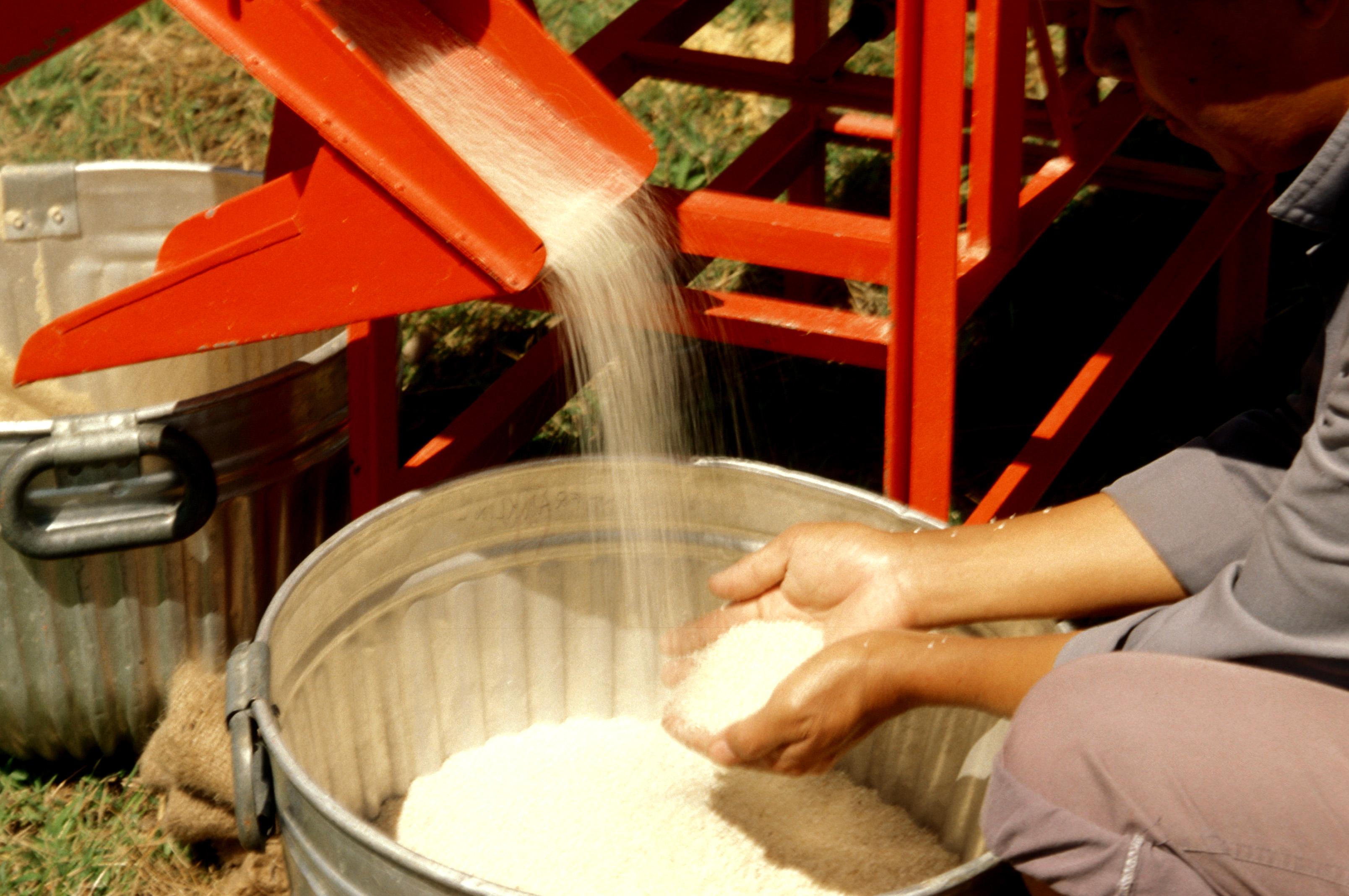
Rice processing is a meticulous and intricate art that starts from the moment the rice is harvested in the fields to when it is served on our tables. The journey of rice milling and polishing involves several steps that are crucial in bringing out the best quality and taste of the rice grains.
One of the key steps in rice processing is cleaning and destoning the rice grains to remove any impurities and foreign particles. This ensures that we get clean and pure rice for consumption. Another vital process is milling, where the outer husk of the rice is removed to reveal the white rice kernel inside. This step is essential in refining the rice and improving its texture. Finally, polishing is done to give the rice its characteristic white glossy appearance and enhance its overall visual appeal.
Maximizing Flavor and Nutrition in Rice Cooking Methods
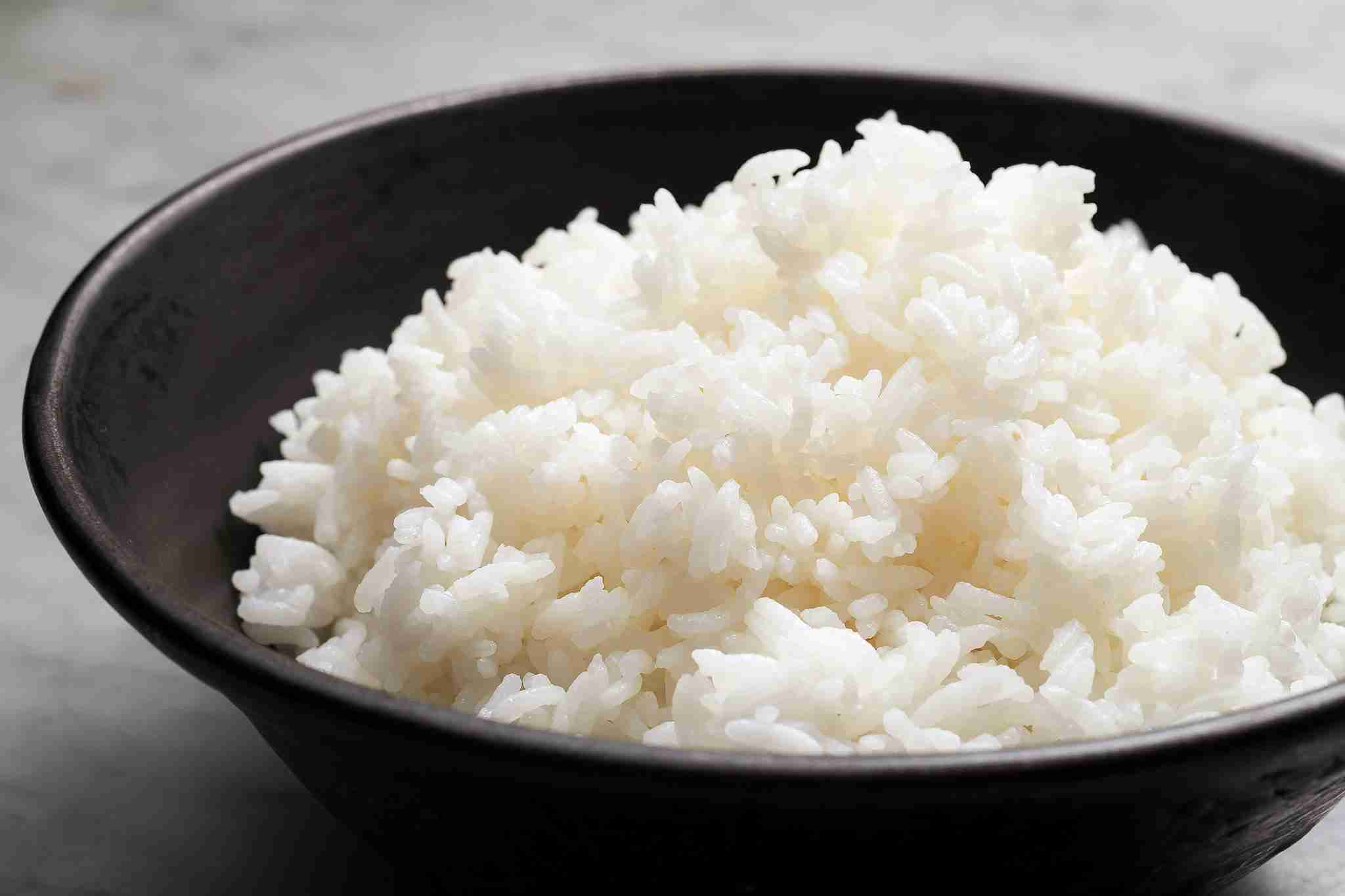
Rice is one of the most versatile and widely consumed grains in the world, making it important to understand how to maximize both flavor and nutrition in its cooking methods. To truly appreciate the art of rice processing, one must start from the very beginning - the field. Choosing high-quality, sustainably grown rice is crucial in ensuring a flavorful and nutritious end product.
Once you have selected the perfect rice, it’s time to focus on cooking methods that will bring out the best in both flavor and nutritional value. Whether you prefer steaming, boiling, or using a rice cooker, there are a few key tips to keep in mind. **Rinsing** the rice before cooking can help remove excess starch and improve texture. Additionally, **soaking** the rice for a period of time before cooking can help reduce cooking time and enhance flavor. By paying attention to these details, you can elevate your rice dishes to a whole new level.
Tips for Choosing the Best Rice Variety for Different Dishes
When it comes to choosing the best rice variety for different dishes, it’s essential to consider the texture, flavor, and cooking method that each type of rice offers. For example, Basmati rice is perfect for Indian and Middle Eastern dishes, thanks to its fragrant aroma and long, slender grains. On the other hand, Arborio rice is ideal for creamy risottos due to its high starch content, which creates a luscious texture when cooked.
For sushi lovers, Japanese short-grain rice is a must-have for making perfect rolls and nigiri. Its sticky texture and slightly sweet flavor are perfect for molding, while its ability to absorb vinegar seasoning makes it the go-to choice for sushi chefs. Lastly, Jasmine rice is a versatile option that pairs well with a variety of dishes, from stir-fries to curry. Its floral aroma and soft, slightly sticky grains make it a favorite in Thai and Southeast Asian cuisine.
Concluding Remarks
As we have explored the intricate process of rice processing from field to table, it is undeniable that the art of rice cultivation holds a special place in our daily lives. From the skilled hands of farmers in the fields to the delicate touch of chefs in the kitchen, rice truly embodies the harmony between nature and culture. So, the next time you enjoy a steaming bowl of rice, remember the journey it took to get to your plate and savor each grain with gratitude. Thank you for joining us on this journey through the art of rice processing. May your meals be filled with both nourishment and appreciation for this humble yet essential grain.



