
In the vast fields of agriculture, where efficiency and innovation reign supreme, one crop stands out for its sheer versatility and global importance: rice. At the heart of this essential staple lies the intricate process of paddy processing, a centuries-old tradition that has undergone a modern revolution. Join us as we explore the genius behind this transformative shift in rice production, and uncover the secrets that have reshaped the industry as we know it.
The Historical Significance of Paddy Processing
Rice, a staple food for over half of the world’s population, has a long history of cultivation and processing. The innovation of paddy processing has played a crucial role in revolutionizing rice production and ensuring food security for millions of people around the globe.
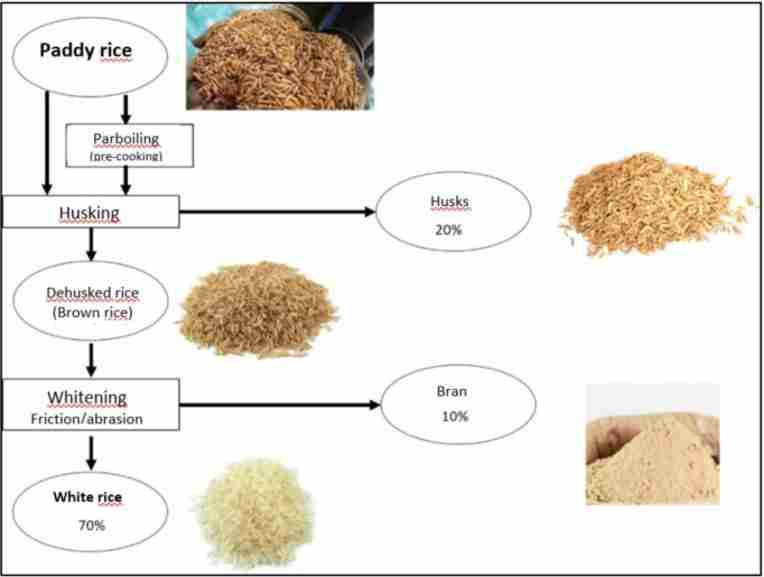
By efficiently removing the husk from the rice grain, paddy processing not only enhances the quality of rice but also prolongs its shelf life. This method has been a game-changer in the agricultural industry, allowing for increased productivity and easier access to this essential food source. cannot be overstated, as it has shaped the way rice is cultivated, processed, and consumed worldwide.
Revolutionizing Rice Production Techniques
The Genius of Paddy Processing: Revolutionizing Rice Production
Rice production techniques have seen a remarkable transformation in recent years, with innovative methods revolutionizing the way paddy is processed. One of the most groundbreaking advancements is the introduction of automated milling machines that can streamline the process of hulling and polishing rice grains. These machines are equipped with sophisticated sensors and control systems that ensure precision and consistency in the final product.
Another game-changing development in rice production is the use of drone technology for field monitoring and crop management. Drones can provide real-time data on crop health, water levels, and pest infestations, allowing farmers to make informed decisions to optimize their yield. This level of precision agriculture is not only improving productivity but also reducing the environmental impact of rice cultivation.
Maximizing Efficiency and Quality in Rice Processing
Rice processing has long been a crucial part of agricultural practices worldwide, but with advancements in technology and innovation, the potential for maximizing efficiency and quality has never been greater. By harnessing the power of paddy processing, rice production can be revolutionized to meet the demands of a growing population. The key lies in implementing cutting-edge methods and techniques that streamline the entire process from field to table.
One way to achieve this is through the use of state-of-the-art milling equipment that is designed to minimize waste and optimize the output of high-quality rice grains. Additionally, investment in automated sorting and cleaning systems helps ensure that only the best rice makes it to the consumer. By combining the latest in machinery with expert knowledge and skills, the genius of paddy processing can be fully realized, paving the way for a new era of efficiency and quality in rice production.
Sustainable Practices for Future Paddy Processing Success
In order to achieve sustainable paddy processing success, it is crucial to embrace innovative techniques and eco-friendly practices. Implementing water-saving technologies such as drip irrigation can significantly reduce water usage while maintaining optimal growing conditions for rice crops. Additionally, investing in organic fertilizers and utilizing crop rotation methods can enhance soil fertility and promote healthy plant growth without harmful chemicals.
Moreover, incorporating solar-powered machinery and biogas systems into the paddy processing workflow can reduce carbon emissions and decrease overall energy consumption. By prioritizing sustainability in every aspect of rice production, farmers can ensure long-term success while protecting the environment for future generations.
In Conclusion
In conclusion, the innovative methods and technologies in paddy processing have truly revolutionized rice production, making it more efficient and sustainable than ever before. From traditional hand-pounding techniques to modern automated mills, the evolution of rice processing has been nothing short of genius. As we continue to strive for advancements in agriculture, it is clear that the brilliant minds behind this industry are shaping the future of food production. Let us embrace the genius of paddy processing and continue to push the boundaries of what is possible in rice production.



