
The rhythmic hum of machinery fills the air as we step into the world of Chinese rice mills, where centuries-old traditions meet modern technology. From the delicate whispers of grain being processed to the towering silos storing the finished product, every aspect of these mills tells a story of innovation and efficiency. Join us on a fascinating journey through the whispering wheels of Chinese rice mills, where ancient grains transform into precious sustenance for millions.
The Historical Significance of Chinese Rice Mills
The Whispering Wheels: Exploring Chinese Rice Mills
Chinese rice mills hold a special place in the history of agriculture, trade, and culture. Dating back to ancient times, these mills have played a crucial role in shaping the culinary traditions and economic development of China and beyond. can be seen in various aspects:
- Technological Innovation: Chinese rice mills were pioneers in the development of advanced milling techniques, such as water-powered mills and sophisticated machinery.
- Cultural Heritage: Rice has always been a staple food in Chinese culture, and the milling process has been passed down through generations, preserving traditional techniques and rituals.
- Trade and Commerce: Chinese rice mills were key players in the ancient Silk Road trade route, facilitating the exchange of goods and ideas between East and West.
By delving into the history of Chinese rice mills, we can uncover a wealth of knowledge about the ingenuity, resilience, and craftsmanship of ancient civilizations. The whispering wheels of these mills continue to echo the stories of the past, reminding us of the timeless connection between food, culture, and history.
Preserving Traditional Techniques in Rice Milling
Chinese rice mills have a rich history rooted in tradition and craftsmanship. The rhythmic sound of the grinding stones and the gentle creaking of the wooden gears create a mesmerizing symphony known as “The Whispering Wheels”. This ancient technique of rice milling has been passed down through generations, preserving the unique methods and skills of the artisans.
Each rice mill is a masterpiece of engineering, with intricate designs and precise mechanisms that allow for the delicate processing of rice grains. The symbiosis between man and machine is evident in the seamless operation of these mills, where every movement is calculated and deliberate. The use of natural materials such as wood and stone further enhances the authenticity and charm of these traditional rice mills, making them a testament to the craftsmanship and ingenuity of the Chinese artisans.

Modern Innovations in Chinese Rice Mills
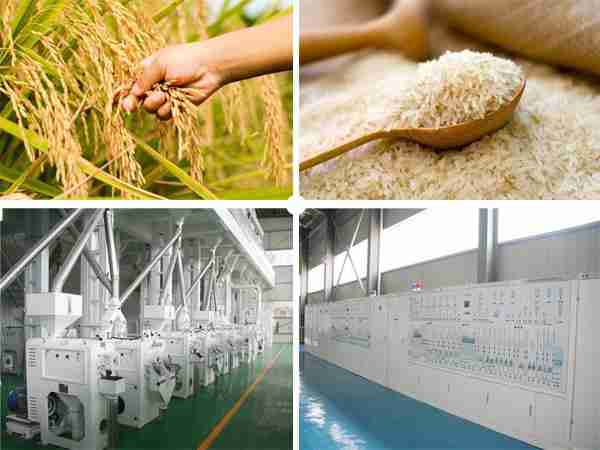
One of the most fascinating aspects of modern Chinese rice mills is the incorporation of innovative technologies such as automated sorting systems. These cutting-edge machines use advanced algorithms to quickly and accurately separate out broken grains, impurities, and other undesirable elements from the rice. This not only ensures a higher quality end product but also significantly reduces the amount of manual labor required during the milling process.
Another remarkable feature of Chinese rice mills is the use of precision-controlled milling machines that can adjust the milling pressure and speed in real-time. This level of control allows for the production of rice with consistent texture and quality, meeting the high standards demanded by consumers. Additionally, some rice mills are now adopting energy-efficient practices, utilizing solar panels to power their operations and reduce their environmental impact. These sustainable initiatives showcase the forward-thinking mindset of Chinese rice millers towards a greener future.
Sustainable Practices in the Rice Milling Industry
When it comes to , Chinese rice mills stand out as pioneers in the field. These mills, often referred to as “The Whispering Wheels” due to their quiet and efficient operation, have implemented a range of innovative measures to reduce their environmental impact. One key strategy that sets Chinese rice mills apart is their use of advanced technology to minimize water consumption during the milling process. By utilizing closed-loop water systems and recycling water for multiple purposes, these mills are able to significantly reduce their water usage and decrease their overall environmental footprint.
Another sustainable practice embraced by Chinese rice mills is the utilization of renewable energy sources to power their operations. Many mills have installed solar panels on their rooftops, allowing them to generate clean and renewable energy to meet their electricity needs. By incorporating solar power into their operations, Chinese rice mills are not only reducing their reliance on fossil fuels but also lowering their carbon emissions. This commitment to sustainable energy sources not only benefits the environment but also helps to future-proof these mills against potential energy disruptions.
In Conclusion
As you journey through the intricate world of Chinese rice mills, may the whispers of the wheels continue to guide you in unraveling the mysteries of this ancient tradition. From the rhythmic hum of the machinery to the delicate dance of the grains, there is a beauty in the simplicity of these timeless structures. As you delve deeper into their history and significance, may you find a newfound appreciation for the craftsmanship and ingenuity that have shaped these whispering wheels into symbols of cultural heritage and innovation. So next time you pass by a rice mill in China, listen closely – for it may just have a story to tell.



