
In the heart of the sprawling fields, a quiet revolution is underway. As the sun rises high in the sky, farmers diligently harvest their golden crops, knowing that the true magic happens behind the walls of the rice mill. Welcome to the world of grain processing, where the humble rice grain is transformed into a culinary masterpiece. Join us as we delve into the inner workings of the rice mill, exploring the intricate process of harvesting the power of grains.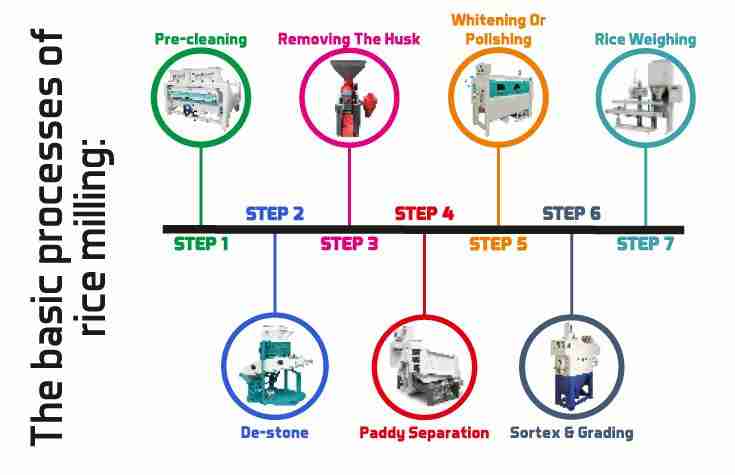
Exploring the Mechanics of the Rice Milling Process
Rice milling is a complex process that involves several steps to transform raw rice grains into the polished white rice that we are familiar with. The process begins with harvesting the rice kernels from the fields and ends with packaging the final product. Let’s dive into the inner workings of a rice mill to uncover the mechanics behind this essential food production process.
One of the key components of a rice mill is the rice huller, which is used to remove the outer husk from the rice kernels. Once the husk is removed, the rice passes through a series of rollers and sifters to separate the bran and germ from the white rice. This process is crucial for producing high-quality rice that is free from impurities and has a consistent texture. By understanding the intricacies of the rice milling process, we gain a deeper appreciation for the journey that each grain of rice takes from the farm to our plates.

Optimizing Efficiency in Grain Processing
In the bustling world of grain processing, efficiency is key to success. One such example of harnessing this efficiency can be found inside the heart of a rice mill. With state-of-the-art technology and innovative processes, rice mills are able to streamline operations and maximize output.
Through the optimization of each step in the grain processing journey, from cleaning and dehusking to polishing and packaging, rice mills are able to harvest the full power of grains. By utilizing modern machinery, implementing automation, and maintaining strict quality control, these facilities are able to produce high-quality rice products at a rapid pace. The end result is not just a product, but a testament to the dedication and expertise of those working behind the scenes to optimize efficiency in grain processing.

Innovations in Rice Mill Technology
Rice mill technology has come a long way in recent years, with innovative advancements revolutionizing the way grains are processed. One such breakthrough is the introduction of automated grain sorting systems that utilize advanced sensors and machine learning algorithms to quickly and accurately separate high-quality grains from defects. This not only saves time and labor costs but also ensures a consistent and superior final product.
Another game-changing innovation in rice mill technology is the implementation of energy-efficient drying techniques that help reduce overall energy consumption and lower carbon emissions. By using state-of-the-art heat exchangers and renewable energy sources, modern rice mills can now dry grains faster and more efficiently, leading to higher throughput and improved sustainability. These advancements are not only revolutionizing the rice milling industry but also paving the way for a more eco-friendly and efficient future.
Sustainable Practices for Grain Harvesting
When it comes to sustainable practices in grain harvesting, the rice mill plays a crucial role in ensuring efficiency and eco-friendliness. By implementing innovative methods and technologies, rice mills can significantly reduce waste and energy consumption while maximizing output.
One key sustainable practice in grain harvesting is using solar power to supplement energy needs. By harnessing the power of the sun, rice mills can reduce their carbon footprint and lower operating costs. Additionally, implementing water recycling systems can help conserve water resources and minimize environmental impact. These practices not only benefit the environment but also contribute to the long-term viability of the rice milling industry.
In Retrospect
As the hum of the machines fades and the scent of freshly milled rice lingers in the air, we are reminded of the incredible journey that grains take from field to table. The rice mill stands as a testament to human ingenuity and the timeless importance of agriculture in our society. Next time you enjoy a bowl of rice, take a moment to appreciate the intricate process that brought it to your plate. And remember, the power of grains truly is a gift worth harvesting.



