
Nestled amidst the serene fields of rural Thailand lies a bustling hub of activity known as The Grain Master: a state-of-the-art rice processing plant that churns out the finest quality grains, nourishing millions across the globe. Join us as we peel back the curtain and take a glimpse behind the scenes to uncover the intricate processes and dedicated individuals that make this plant a beacon of excellence in the world of agriculture. From seed to shelf, discover the fascinating journey of rice production and the meticulous care that goes into every grain that finds its way onto our plates. Let’s delve into the heart of The Grain Master and witness firsthand the magic that happens within its walls.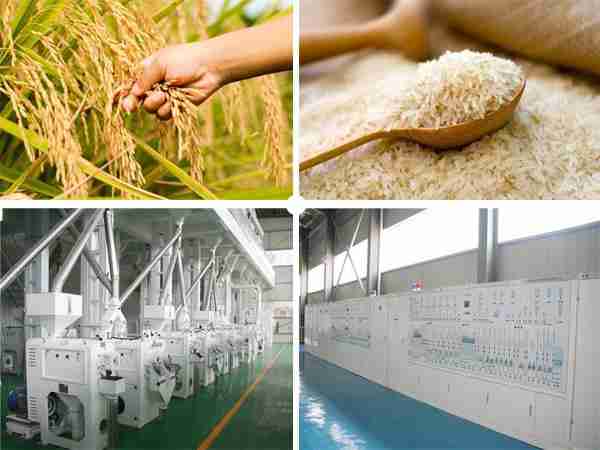
Heading 1: The Intricate Process of Rice Milling
Rice milling is a fascinating process that involves a series of intricate steps to transform raw rice grains into the polished white rice that we are familiar with. The journey of rice through a processing plant is a well-oiled machine, with each stage carefully designed to ensure quality and efficiency.
- Harvesting
- Cleaning and Pre-treatment
- Husking
- Whitening
- Polishing
- Grading and Sorting
At the heart of a rice processing plant is the grain master, whose expertise guides the entire operation. From overseeing the maintenance of machinery to ensuring the quality of the final product, the grain master plays a vital role in every aspect of the rice milling process.
| Stage | Description |
|---|---|
| Whitening | Removes the bran layer from the rice grains. |
| Polishing | Further removes any remaining bran layers and gives the rice a shiny appearance. |
| Grading and Sorting | Rice is sorted based on size, shape, and quality to ensure uniformity. |

Heading 2: Efficiency Strategies in Rice Processing Plants
Rice processing plants are a marvel of efficiency and precision, where every grain is carefully handled and processed to perfection. At the heart of these plants is the Grain Master, a state-of-the-art machine that ensures every rice grain that passes through it is processed with utmost care.
One of the key efficiency strategies in rice processing plants is the use of automated sorting technology. Using advanced sensors and algorithms, these machines can quickly and accurately separate out broken or discolored grains, ensuring that only the best quality rice makes it to the final product. Additionally, by optimizing the flow of rice through the plant and minimizing waste, these plants are able to operate at peak efficiency, maximizing productivity and minimizing costs.

Heading 3: Quality Control Measures in the Grain Industry
The quality control measures implemented in the grain industry play a crucial role in ensuring that consumers receive safe and high-quality products. At a rice processing plant, each step of the production process is carefully monitored to meet industry standards and provide customers with the best quality rice possible. One of the key measures is the inspection of raw materials before processing, where grains are checked for any impurities or defects that could affect the final product.
During the processing stage, various tests are conducted to assess the moisture content, size, color, and texture of the rice grains. **Quality control** inspectors regularly sample the rice at different points in the production line to ensure consistency and uniformity. Any deviations from the set standards are promptly addressed to maintain the quality of the final product. By adhering to strict quality control measures, rice processing plants can deliver safe and nutritious rice to consumers around the world.
Heading 4: Sustainability Practices at Rice Processing Facilities
Curious about what goes on at a rice processing plant? Let’s take a peek behind the scenes to see how sustainability practices play a crucial role in the production of our favorite grain. At the heart of the operation is a commitment to reducing waste, conserving resources, and minimizing the environmental impact of the processing facility.
- Energy Efficiency: Rice processing plants utilize energy-efficient equipment and technology to minimize energy consumption and reduce greenhouse gas emissions.
- Water Conservation: By implementing water-saving technologies and practices, these facilities strive to reduce water usage and minimize water waste during the rice processing process.
- Waste Management: Waste from the processing of rice is carefully managed, with efforts made to recycle and repurpose byproducts to reduce landfill waste.
Through these sustainability practices, rice processing facilities play a vital role in promoting environmental stewardship and ensuring a more sustainable future for the rice industry.
In Conclusion
As we conclude our behind-the-scenes journey at a rice processing plant, we hope you have gained a deeper appreciation for the meticulous process involved in bringing this staple grain to our tables. From soaking and steaming to milling and polishing, the artistry and technology combine seamlessly to produce the perfect grain. The Grain Master truly is a fascinating world where tradition meets innovation. Next time you enjoy a plate of fluffy rice, remember the dedication and precision behind each kernel. Thank you for joining us on this enlightening exploration of the rice processing industry.



