
Rice has long been a staple in diets around the world, providing sustenance and flavor in a multitude of dishes. But have you ever considered the intricate process that takes rice from the fields to your fork? Join us on a journey through the art of rice processing, where tradition meets innovation to bring this humble grain to your plate.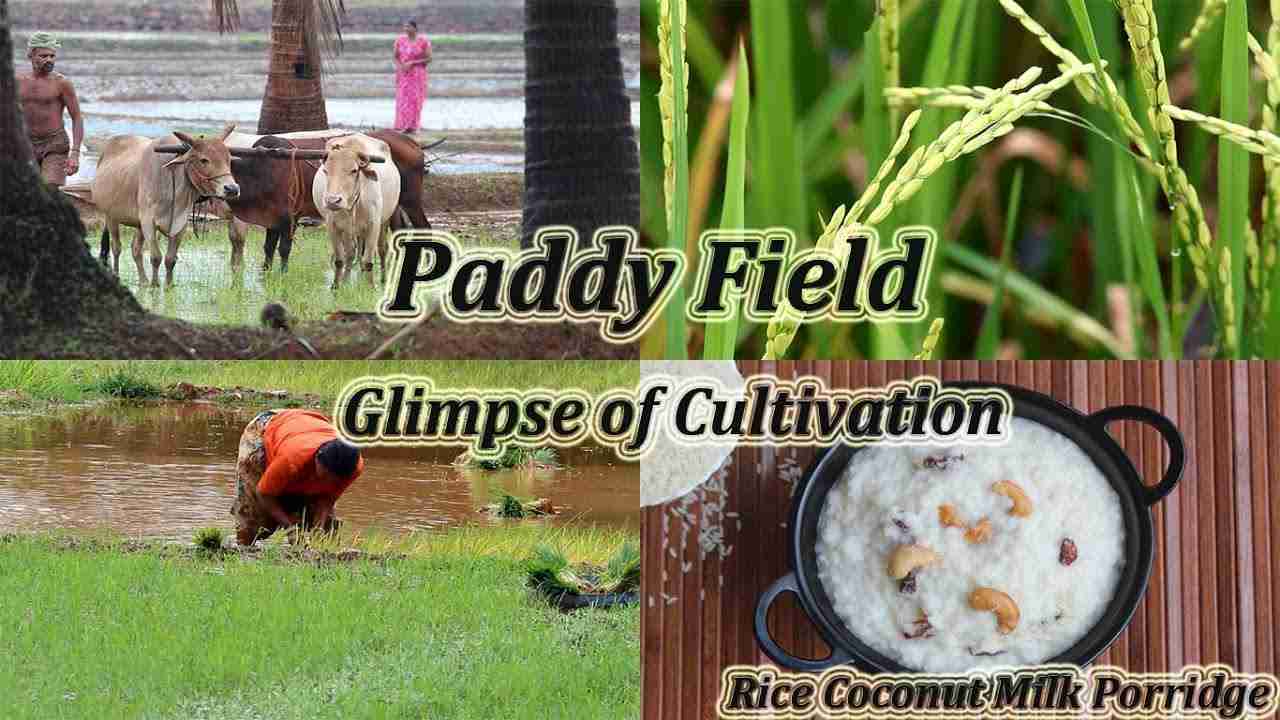
The Journey of Rice: Cultivation and Harvesting Techniques
Rice, a staple food in many cultures around the world, undergoes a complex journey from the field to the fork. Cultivation and harvesting techniques play a crucial role in ensuring the quality and taste of the final product. Farmers carefully plant and nurture rice paddies, utilizing both traditional and modern methods to maximize yield.
Once the rice is ready for harvesting, farmers employ various techniques such as hand harvesting or machine harvesting to gather the crop. The harvested rice then undergoes processing, which involves cleaning, milling, and polishing to remove impurities and refine the grains. This intricate process highlights the artistry and skill involved in bringing rice from the field to our plates.
Unlocking the Secrets of Rice Milling: Methods and Equipment
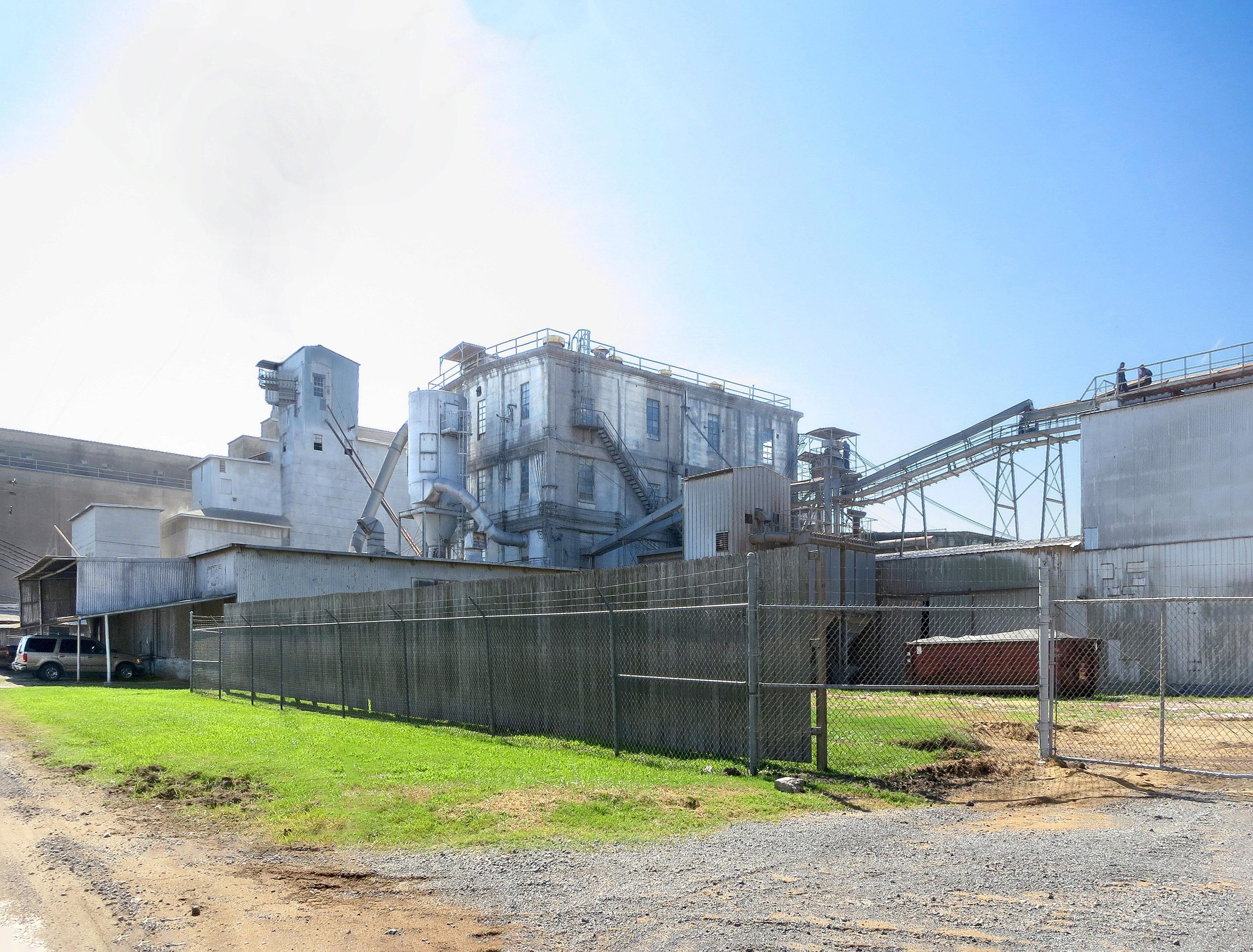
Rice milling is an intricate process that involves a series of methods and specialized equipment to transform raw rice grains into the polished white rice we know and love. The journey of rice processing begins in the vast rice fields where the grains are carefully harvested and brought to the mill for further processing. One of the key steps in rice milling is the removal of the outer husk, a process that can be achieved through various methods such as milling, pounding, or grinding.
Once the husk is removed, the grains go through a series of sieving, sorting, and polishing to achieve the desired quality and appearance. Modern rice milling equipment includes high-tech machines like rice polishers, color sorters, and graders, which help streamline the process and improve efficiency. By unlocking the secrets of rice milling, we gain a deeper understanding of the art and science behind this essential staple food that brings nourishment to millions around the world.
Preserving Freshness and Flavor: Tips for Proper Rice Storage
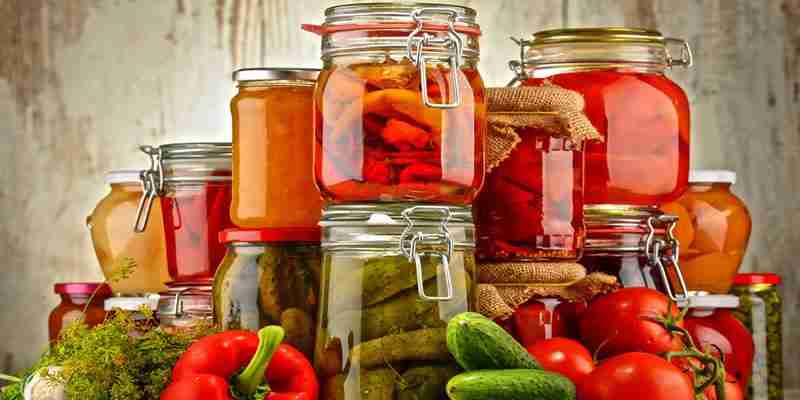
To ensure your rice maintains its freshness and flavor from the field to your fork, proper storage is key. Follow these tips to preserve the quality of your rice for longer periods:
- Keep it in an airtight container: Store your rice in a sealed container to prevent exposure to moisture, air, and pests that can compromise its freshness.
- Avoid direct sunlight: Keep your rice away from sunlight, as UV rays can negatively impact its taste and texture.
- Store in a cool, dry place: Optimal storage conditions include a cool, dry environment to prevent moisture buildup and spoilage.
- Check for any signs of spoilage: Regularly inspect your stored rice for any unusual odors, discoloration, or signs of pests. If you notice anything out of the ordinary, it’s best to discard the rice to avoid any potential health risks.
By following these simple yet effective tips, you can extend the shelf life of your rice and enjoy its full flavor and nutritional benefits with every meal.
From Raw Grain to Delicious Dish: Exploring Cooking Techniques
Once the rice has been harvested from the fields, the first step in the processing journey begins with threshing. Threshing is the process of separating the rice grains from the stalks they grow on. This can be done manually or with the help of machines, depending on the scale of the operation.
After threshing, the next step is to remove the husk from the rice grains. This can be done through a process called milling, where the grains are passed through machines that rub off the husk. Once the husk is removed, the rice is polished to give it a shiny appearance. The final product is white rice, ready to be cooked and enjoyed in a variety of delicious dishes.
Insights and Conclusions
As we conclude our exploration into the intricate and fascinating world of rice processing, we hope you have gained a deeper appreciation for the art and science behind this essential staple of global cuisine. From the farmer’s field to your dining table, each step in the process plays a crucial role in delivering the perfect grain of rice. Next time you enjoy a bowl of steaming hot rice, take a moment to savor the journey it took to get there. The story of rice is one of patience, precision, and passion, and we are grateful to have shared a glimpse of it with you. Thank you for joining us on this culinary adventure!



