
In the bustling world of agriculture, there exists a process that holds a certain mystique and allure – the transformation of humble rice husks into valuable gold. Paddy processing, a centuries-old tradition, has the power to turn seemingly useless byproducts into valuable commodities, fueling industries and economies around the globe. Join us on a journey into the enchanting world of paddy processing, where the ordinary is turned into the extraordinary, and rice husks are truly worth their weight in gold.
Unveiling the Ancient Art of Paddy Processing
Imagine a time when the art of paddy processing was shrouded in mystery, a closely guarded secret passed down through generations. From the humble rice husk to the golden grains on your dinner table, the journey of paddy processing is truly a magical transformation. In the hands of skilled artisans, what was once considered waste becomes a valuable commodity.
Through a meticulous process involving soaking, steaming, drying, and milling, rice is extracted from its husk and polished to perfection. Each step requires precision and expertise to ensure the highest quality end product. The result is not just a staple food for millions around the world, but a symbol of tradition and culture deeply rooted in the hearts of rice-growing communities.
Harnessing the Power of Rice Husks in Sustainable Practice
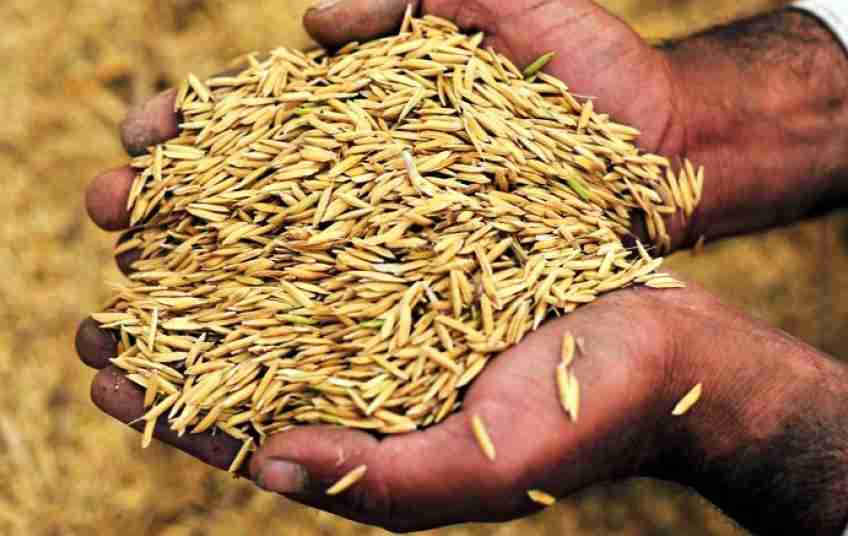
Rice husks, often overlooked as waste material, hold incredible potential for sustainable practices. These humble byproducts of paddy processing can be transformed into valuable resources through innovative techniques. By harnessing the power of rice husks, we can not only reduce waste but also create a multitude of eco-friendly products that benefit both the environment and society.
Through efficient extraction methods, rice husks can be converted into a variety of high-demand products such as biodegradable packaging materials, organic fertilizers, and even biofuels. The versatility of rice husks allows for endless possibilities in sustainable practices, offering a renewable and cost-effective alternative to traditional materials. By embracing the magic of paddy processing and unlocking the potential of rice husks, we can pave the way for a greener future and a more resilient ecosystem.
Revolutionizing Agriculture: Maximizing Returns Through Efficient Paddy Processing Techniques
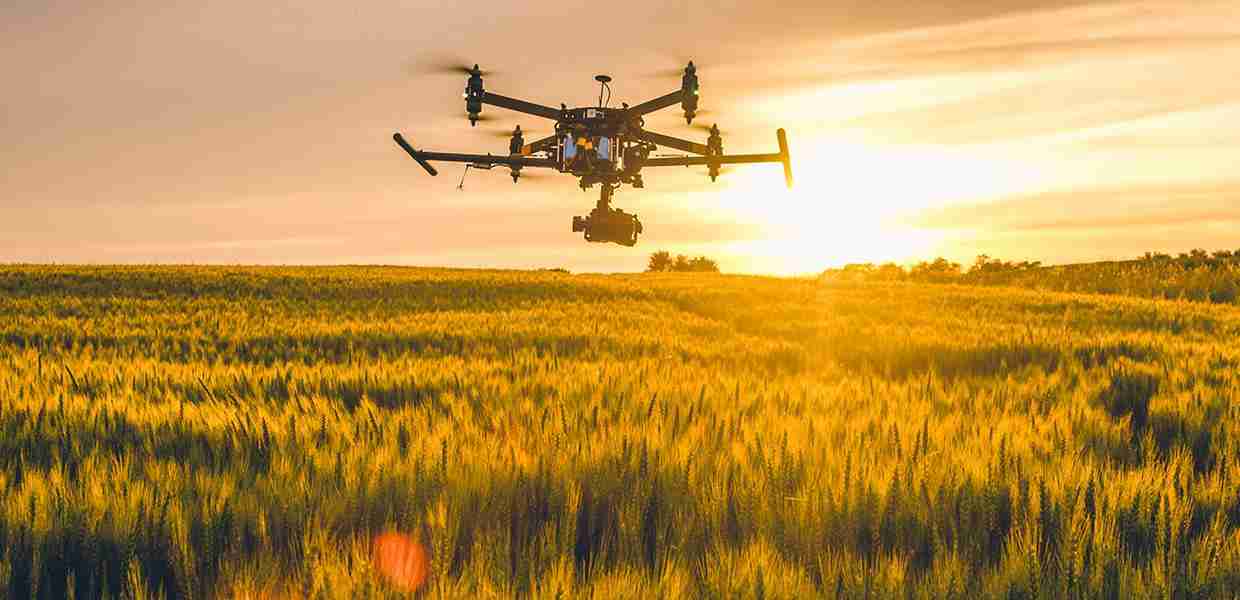
With advancements in paddy processing techniques, farmers are now able to maximize their returns and minimize waste. By utilizing efficient machinery and innovative methods, rice husks, which were once discarded as waste, can now be turned into valuable resources. This revolutionary approach not only helps in reducing environmental impact but also opens up new avenues for profit generation.
Through the magic of paddy processing, farmers can now extract rice bran oil, which has numerous health benefits and is in high demand in the market. Additionally, the by-products of paddy processing can be used as animal feed, further enhancing the economic value of the entire process. By adopting these efficient techniques, farmers can transform their paddy fields into gold mines, ensuring sustainable income and agricultural prosperity.
Exploring the Economic and Environmental Benefits of Rice Husk Utilization
Rice husks, often seen as waste from paddy processing, hold immense economic and environmental potential waiting to be unlocked. These discarded husks can be transformed into valuable resources through innovative utilization methods, providing a win-win solution for both the economy and the environment.
By harnessing the power of rice husks, industries can reduce their reliance on conventional fossil fuels, thus lowering their carbon footprint and contributing to sustainable development. Through processes such as combustion, gasification, and pyrolysis, rice husks can be converted into bioenergy sources like biofuels and biochar, offering a renewable and eco-friendly alternative to traditional energy sources. Furthermore, the utilization of rice husks can also lead to the production of valuable by-products such as silica, activated carbon, and fertilizers, creating additional revenue streams for businesses and farmers alike.
In Retrospect
As we conclude our exploration into the fascinating world of paddy processing, it becomes clear that what may seem like a simple grain holds immense potential for transformative innovation. By unlocking the magic of turning rice husks into gold, we not only create valuable byproducts, but also contribute towards sustainable practices in agriculture. The journey from field to table is indeed a marvel of ingenuity and resourcefulness, proving that even the seemingly mundane can hold extraordinary powers. So the next time you enjoy a plate of delicious rice, remember the hidden gold within that humble grain. Cheers to the magic of paddy processing!



