In the heart of rice-growing regions, where lush green fields sway gently in the breeze and harvests are a labor of love, an innovative solution is quietly transforming the traditions of rice processing. Enter the combine mini rice mill—a compact marvel of engineering that promises to streamline the journey from paddy to polished grain. As the demand for high-quality rice continues to rise in both local and global markets, understanding the benefits of this efficient machinery becomes crucial for farmers and small-scale processors alike. In this article, we will delve into the world of combine mini rice mills, exploring their myriad advantages, from increased productivity to enhanced quality. Join us as we uncover how this versatile tool serves as a key to unlocking the full potential of rice processing, making the age-old practice more efficient and sustainable than ever before.
Exploring the Advantages of Combine Mini Rice Mills for Modern Agriculture
combine mini rice mills are revolutionizing the way rice is processed in modern agriculture, merging traditional milling practices with cutting-edge technology. These compact units are designed for high efficiency, allowing farmers to process rice quickly and with minimal labor. Some key advantages include:
- space Efficiency: Combine mini rice mills require less physical space than traditional milling setups, making them suitable for small farms and rural operations.
- Cost-Effectiveness: The initial investment in a mini rice mill is typically lower, and operating costs are also reduced due to efficient energy consumption.
- Versatility: Many combine mini rice mills can process different varieties of rice and offer functionalities such as husking, whitening, and polishing in a single machine.
- Quality of Produce: Advanced milling technology ensures that the rice produced has better grain quality, higher nutritional value, and improved overall yield.
Moreover, combine mini rice mills help streamline the workflow for farmers, allowing them to manage their operations more effectively. This is especially beneficial during peak harvest seasons when timely processing is crucial. Compared to conventional milling systems,mini rice mills boast a markedly reduced turnaround time,enabling farmers to meet market demands more efficiently. To further illustrate their advantages:
| Feature | Combine mini rice mill | Traditional Rice Mill |
|---|---|---|
| Processing Time | Considerably faster | Slower due to larger equipment |
| Labor Requirement | Minimal | High |
| Energy Consumption | Lower | Higher |
When choosing a combine mini rice mill, it’s essential to consider factors such as capacity, brand reputation, and available after-sales support. With various models on the market, one can easily find options that cater to specific needs while ensuring optimal performance and sustainability. Embracing such technology not only enhances productivity but also contributes to building resilient agricultural practices for future generations.
Demystifying Combine Mini Rice Mills: Key Insights for Efficient Rice Production
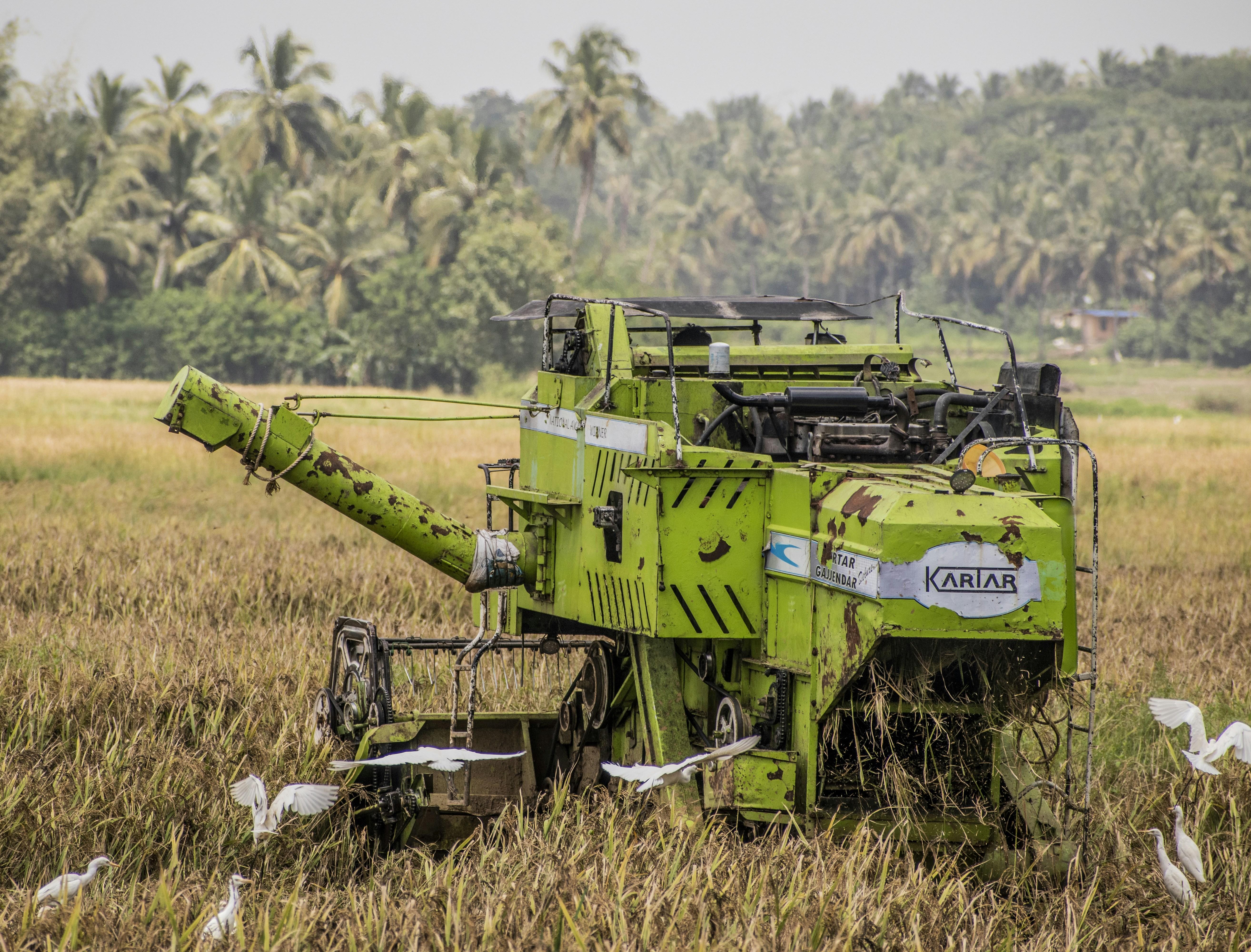
Combine mini rice mills are compact, integrated machines designed to streamline the rice production process by combining multiple milling stages in one unit.They typically include features for husking, milling, and polishing rice, enabling farmers and small-scale entrepreneurs to efficiently transform paddy into market-ready rice. One of the primary advantages of these machines is their ability to reduce labor costs significantly and maximize space utilization, making them ideal for small farms. Additionally, their ease of operation and lower energy consumption compared to larger, traditional mills enhances their appeal.Users can obtain fresher, higher-quality rice in a shorter time, contributing to better market prices and customer satisfaction.
When considering a combine mini rice mill, it’s essential to evaluate various models based on factors such as capacity, milling efficiency, durability, and maintenance requirements. Popular brands usually offer different versions catering to diverse agricultural scales, with output capacities ranging from 200 kg to 1,000 kg per hour. Moreover, potential owners should take into account the availability of spare parts and after-sales service, as these significantly impact the long-term viability of the equipment.Here’s a simple comparison table of features to consider:
| Feature | Model A | Model B | Model C |
|---|---|---|---|
| Capacity (kg/hour) | 300 | 600 | 1,000 |
| Power Consumption (kW) | 3 | 5 | 7 |
| Weight (kg) | 150 | 300 | 450 |
| Price ($) | 2,500 | 4,500 | 6,500 |
In addition to improving efficiency, a combine mini rice mill can definitely help mitigate some common problems associated with rice processing, such as grain breakage and inconsistent milling outcomes. As these mills are designed to operate with optimal settings tailored to various rice types and moisture contents, they minimize waste and enhance the quality of the end product. For those looking to invest in rice processing technology, always assess your specific needs alongside these key insights to select a model that best aligns with your operational goals.
Navigating Common Misconceptions About Combine Mini Rice Mills in Rice Processing
When considering the purchase of a combine mini rice mill, potential users often grapple with common misconceptions that can deter them from making an informed decision. One prevalent myth is that these units are not capable of handling large volumes of rice, which can lead prospective buyers to overlook their efficiency. In reality, many modern combine mini rice mills are designed for optimal versatility, providing high output while ensuring excellent milling quality in smaller operations. They incorporate advanced technology that allows them to process various rice types without sacrificing the integrity or nutrition of the grains. When comparing output capacities,it’s important to consider specifications and user reviews to find a unit that meets your needs.
Another common misconception is that combine mini rice mills require extensive maintenance and operational skill. While it’s true that regular maintenance is critically important for any machinery,advances in design have made these mills significantly easier to use. most come with user-pleasant interfaces and speedy-start features, reducing the learning curve for new operators. Key benefits include:
- Low Maintenance Requirements: Many models feature self-cleaning mechanisms that minimize upkeep.
- Cost-Effective Operation: With reduced energy consumption and labor costs, they offer a return on investment that is frequently enough unmatched by larger commercial mills.
- Compact Design: Their size allows for efficient use of space,particularly in smaller production facilities.
To maximize your investment, it’s advisable to consult detailed user guides and possibly seek demonstration sessions from distributors to alleviate concerns about operation and maintenance. by addressing these misconceptions, you can confidently choose a combine mini rice mill that aligns perfectly with your rice processing requirements.
choosing the Right Combine mini rice mill: Essential Factors to Consider
Choosing the right combine mini rice mill requires careful consideration of several key factors to ensure you maximize efficiency and productivity in rice processing. Here are the essential points to assess:
- Capacity: Identify the milling capacity that meets your operational needs. Mini rice mills come in various capacities, usually ranging from 200 kg to 1,000 kg of rice per hour. Evaluate your production goals to choose a mill that can handle the expected volume.
- Energy Efficiency: Opt for models that showcase energy-efficient technology to minimize operational costs. Look for products that utilize less power while maintaining output quality.
- durability and Maintenance: Select a mill constructed from high-quality materials that can withstand intensive use.Consider ease of maintenance and availability of parts to ensure longevity and lower downtime.
- Rice Milling Technology: Two primary types of milling technology are available: rubber roll mills and steel frame mills. Rubber roll mills are recommended for their gentler processing and better yield, while steel mills are typically more affordable and easier to operate.
Additionally, it’s crucial to assess the manufacturer’s reputation and the availability of customer support. Researching user reviews and ratings can provide insights into real-world performance and reliability. Another critically important consideration is the mill’s design and footprint—especially if space is limited in your operations. Here’s a quick comparison table summarizing some aspects to weigh your options effectively:
| Feature | Rubber Roll Mill | Steel Frame Mill |
|---|---|---|
| Yield Quality | High | moderate |
| Maintenance | Moderate | Low |
| Initial Cost | Higher | Lower |
Evaluating these factors thoughtfully can definitely help you choose the best combine mini rice mill tailored to your rice processing requirements. Whether focused on cost, efficiency, or technology, making informed decisions will significantly impact your productivity and profitability.
In Summary
investing in a combine mini rice mill can revolutionize the way you approach rice processing. by embracing this innovative technology, you not only enhance efficiency and productivity but also unlock a plethora of benefits that go beyond mere grain milling. From maximizing yield to reducing labor costs, these systems offer a streamlined solution that caters to the evolving demands of rice production.
As the agricultural landscape continues to transform, staying ahead requires adaptability, and a combine mini rice mill stands as a pivotal tool for farmers and entrepreneurs alike. Whether you’re looking to elevate your operations or simply make the most of your harvest, understanding the functionality and advantages of this equipment can guide you toward smarter choices.
The journey toward efficient rice processing begins with awareness and knowledge. With this newfound understanding, you can confidently step into a future that embraces innovation while ensuring that quality and sustainability remain at the forefront of your rice processing endeavors. Embrace the change—your fields, your business, and your customers will thank you.