As the world grapples with increasing demands for food, fuel, and bioproducts, the importance of corn as a versatile crop has never been more pronounced. From its role in staple diets to its applications in biofuels and plastics, corn processing emerges as a critical focus for agricultural innovation and sustainability. In this comprehensive analysis,we delve deep into the intricate world of corn processing,exploring the latest techniques that promise to enhance yield and boost efficiency. By assessing performance metrics and outlining essential decision criteria,we aim to provide a roadmap for producers and stakeholders seeking to optimize their operations in an ever-evolving market. Join us as we unlock the potential of corn, navigating through the myriad of strategies that can elevate production while addressing the challenges of modern agriculture.
Transformative Approaches to Corn Processing: Engineering Techniques and Material Innovations
Transformative approaches to corn processing rely on a combination of advanced engineering techniques and innovative materials that improve both yield and efficiency. Key engineering advancements include the development of high-efficiency milling equipment, such as roller mills that offer precise control over particle size and texture. This control maximizes starch extraction while minimizing fiber content, enhancing the overall quality of the corn byproducts. Critical factors to consider when selecting milling technologies include:
- Particle size distribution: Ensures optimal conversion rates in downstream applications.
- energy consumption: More efficient mills reduce operational costs.
- Equipment durability: Affects long-term maintenance costs and processing downtime.
Material innovations play an equally significant role in optimizing corn processing. For instance, integrating bio-based additives into the processing components can enhance the quality of finished products while minimizing environmental impact. Examples include the use of biodegradable coatings that can reduce dust and improve handling characteristics during processing. The adoption of smart sensors for real-time monitoring of moisture content and temperature during drying and storage help to mitigate spoilage and ensure product consistency. Specifications to assess when implementing material innovations include:
| Innovation Type | Benefit | Limitation |
|---|---|---|
| Bio-based additives | Improves product quality, eco-friendly | Higher initial costs |
| Smart sensors | real-time monitoring, reduces waste | Reliability on technology and data integrity |
Ultimately, the right combination of engineering techniques and material innovations can significantly enhance the efficiency and sustainability of corn processing operations.Understanding the inherent performance factors, such as energy inputs, processing times, and operational costs, allows processors to make informed decisions that align with their operational goals.

Evaluating performance Metrics in Corn Processing: A Comprehensive Look at Yield Optimization
In the context of corn processing, evaluating performance metrics is crucial for optimizing yield and ensuring efficiency throughout the value chain. Key performance indicators (KPIs) such as yield per acre, moisture content adjustment, and processing speed play significant roles.Yield per acre assesses the output of corn relative to land used, often impacted by factors like soil quality and hybrid selection. Moisture content is critical in corn grain processing; it is typically targeted around 15% for optimal storage and milling. Higher moisture levels can increase the risk of spoilage and fungal growth, thereby necessitating additional drying processes that can reduce overall efficiency. Metrics such as cost per bushel and energy consumption per ton of processed corn also provide insight into the economic efficiency of processing methods used.
Each of thes metrics presents specific limitations and considerations.For example, while increased yield per acre is an essential goal, it may led to a trade-off with input costs, including fertilizer and labor, that coudl offset profitability. Moreover, the processing speed may be limited by the equipment’s capacity and technological constraints, affecting the overall throughput and quality of finished products. Detailed comparisons between processing technologies, such as dry milling versus wet milling, can highlight trade-offs in efficiency and quality. The following table summarizes some of these essential performance metrics along with their specifications and limitations:
| Performance Metric | Specifications | Limitations |
|---|---|---|
| Yield per Acre | 150-200 bushels | Soil fertility and weather-dependent; hybrid selection impacts variability. |
| Moisture Content | 15% (target for storage) | Higher levels increase storage risk and processing costs. |
| Processing Speed | Variable (up to 100 tons/hour) | Equipment limitations; trade-off with product quality. |
To enhance decision-making, processors may also employ machine learning algorithms to analyze historical data and project outcomes based on different agronomic practices or processing methodologies. These advanced approaches allow for more nuanced insights into how each metric interacts and influences overall performance, paving the way for refined operational tactics that align with both output goals and sustainability practices.
Navigating Decision Criteria in corn Processing: Identifying Key Factors for Efficiency and Quality Enhancement
Navigating decision criteria in corn processing involves a comprehensive analysis of several key factors that directly influence both efficiency and the quality of the end products. These criteria include:
- Moisture Content: Maintaining optimal moisture levels (typically between 14% to 16% for grain) ensures maximum yield and quality in products like cornmeal and corn starch. Excess moisture can lead to spoilage and decreased shelf life.
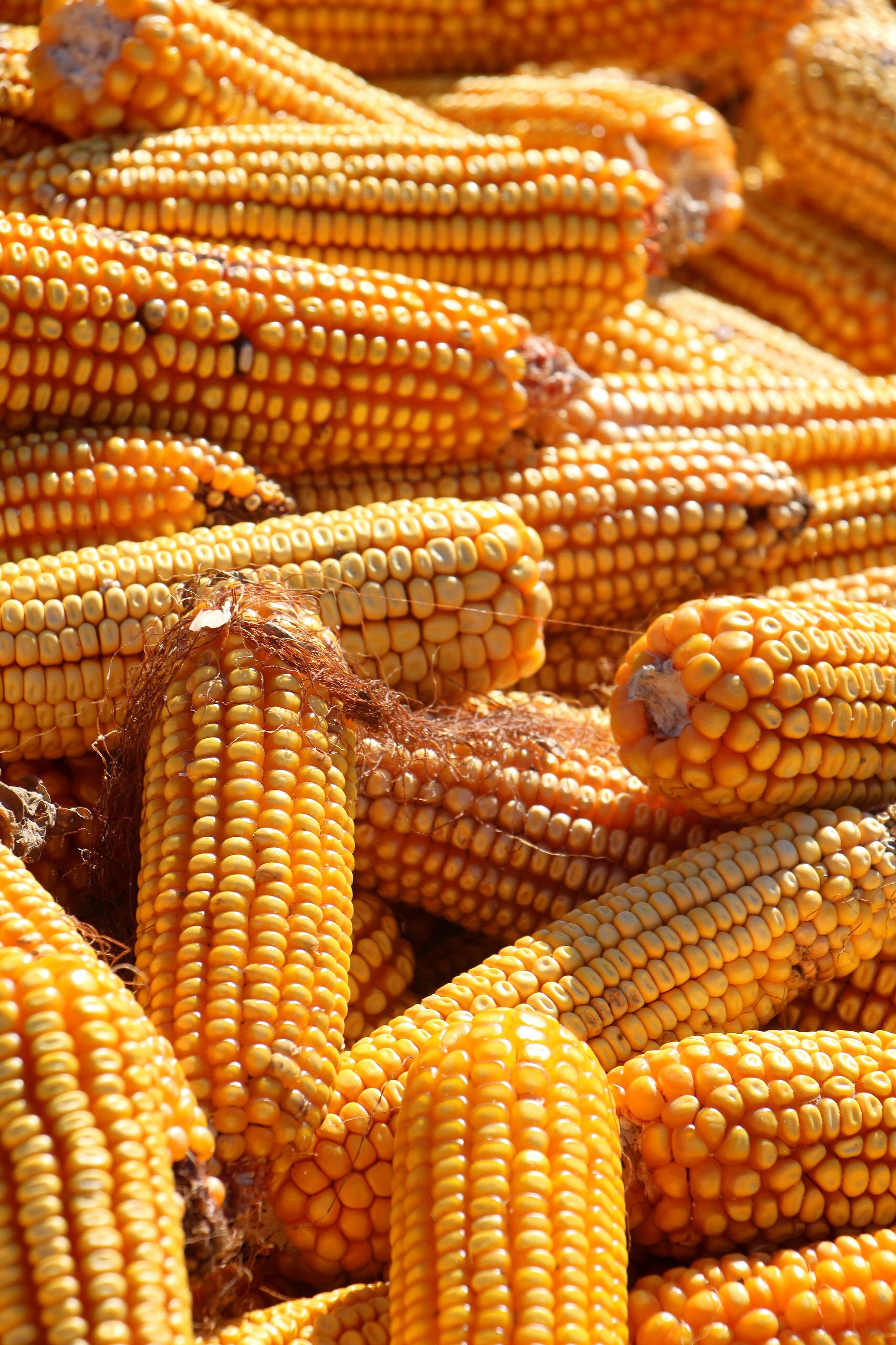
- Grain variety and quality: The selection of high-yield grain varieties can significantly impact the quality of processed products. As a notable example, white corn might potentially be preferred for certain food applications, while yellow corn is frequently enough sought for its higher oil content.
- Processing Techniques: Methods such as dry milling versus wet milling present distinct advantages. Dry milling may lead to higher efficiency in producing cornmeal while wet milling is essential for obtaining corn starch, glucose, and other derivatives.
- Equipment Configuration: The choice of equipment, such as hammer mills versus roller mills, must align with the desired end product.Hammer mills are effective for coarse grinding, whereas roller mills are better suited for achieving fine particle sizes.
Further, performance factors such as energy consumption, throughput rates, and operational downtime must be closely monitored. Such as, switching to a high-efficiency grinder may reduce energy use by 20%, while increasing throughput by 15%, demonstrating the balance between operational costs and production capabilities. Limitations inherent to each process must be assessed,such as the susceptibility of certain milling techniques to produce finer particles that can lead to increased dust production or variability in product consistency. Furthermore, comparing traditional processing routes with innovative techniques such as enzyme-assisted processing can yield insights; enzyme applications can enhance starch conversion rates, thereby improving overall yield and efficiency. Understanding these dynamics and continuously revising decision criteria based on real-time data is vital for optimizing corn processing operations.

Understanding the Limitations of Current Corn Processing techniques: A Technical Exploration of Challenges and Opportunities
Current corn processing techniques, while effective in many respects, face several inherent limitations that impact yield and efficiency. key challenges include:
- Starch Conversion Efficiency: Traditional wet milling processes often struggle with substrate accessibility,leading to incomplete starch conversion. This inefficiency can result in lower yields of derived products like glucose and ethanol.
- High Energy Consumption: The drying and grinding stages consume substantial amounts of energy, wich can significantly increase operational costs. As an example, studies indicate that drying corn can account for up to 30% of total energy input.
- Time-Intensive Processes: processes such as fermentation and extraction often require lengthy timeframes to achieve optimal output,limiting throughput and production scalability.
Technological approaches such as enzymatic treatments have emerged to tackle these limitations, yet they come with their own sets of challenges.Enzyme dosing must be precisely managed to enhance hydrolysis rates without incurring excess costs or reactions that could lower product quality. Additionally, the variability in corn quality due to genetic differences can necessitate adjustments to processing protocols.Furthermore, the advent of dry grind quality betterment techniques allows for better extraction of valuable co-products such as protein and fiber, yet these methods must balance recovery improvement with potential losses in starch conversion efficiency. A comparative analysis between wet and dry milling methods reveals that while dry milling offers favorable processing simplicity,it often comes at the expense of higher variability in product quality.
Key Takeaways
the journey through the intricate world of corn processing reveals a tapestry woven with innovation,precision,and the promise of enhanced yield. As we’ve explored various techniques and performance metrics, it’s evident that optimizing corn production is not merely a science but an art that requires careful consideration of diverse decision criteria. Each method examined stands as a testament to the industry’s commitment to efficiency and sustainability.
As we move forward, the insights gleaned from this analysis serve not only as a guide for corn processors but as a collective call to embrace continuous improvement. The potential for greater yields and efficiency beckons, urging stakeholders to adopt a holistic approach to corn processing. Just as each kernel contributes to the richness of the harvest, so too do the myriad of techniques and metrics discussed here contribute to the future of agricultural excellence.By sharing these findings,we hope to empower professionals in the field to harness these insights,fostering an environment where innovation thrives and the challenges of tomorrow are met with confidence. As we close this chapter,let us look to the horizon,where the next wave of advancements awaits,ready to transform the way we think about and process one of nature’s most vital crops.