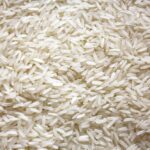
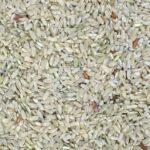
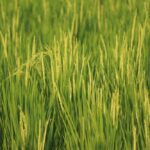
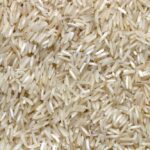
In an era where the quest for enduring agriculture converges with the demands of a growing global population, the spotlight shifts to an often-overlooked staple: rice. beyond its status as a dietary cornerstone for billions, rice has emerged as a canvas for innovation, particularly within the realm of processing technologies. As farmers and producers strive for quality that meets both consumer expectations and ecological standards, a new generation of rice processing equipment is stepping into the limelight. This equipment not only enhances the grain’s purity and nutritional value but also champions sustainable practices that resonate with environmentally conscious consumers. In this exploration,we delve into how these innovations are not merely transforming the way rice is processed but are also redefining the standards of excellence and responsibility in modern agriculture. Join us as we uncover the intricate interplay between technology and tradition, illustrating how the future of rice lies not just in the fields, but also in the elegant machinery that processes it.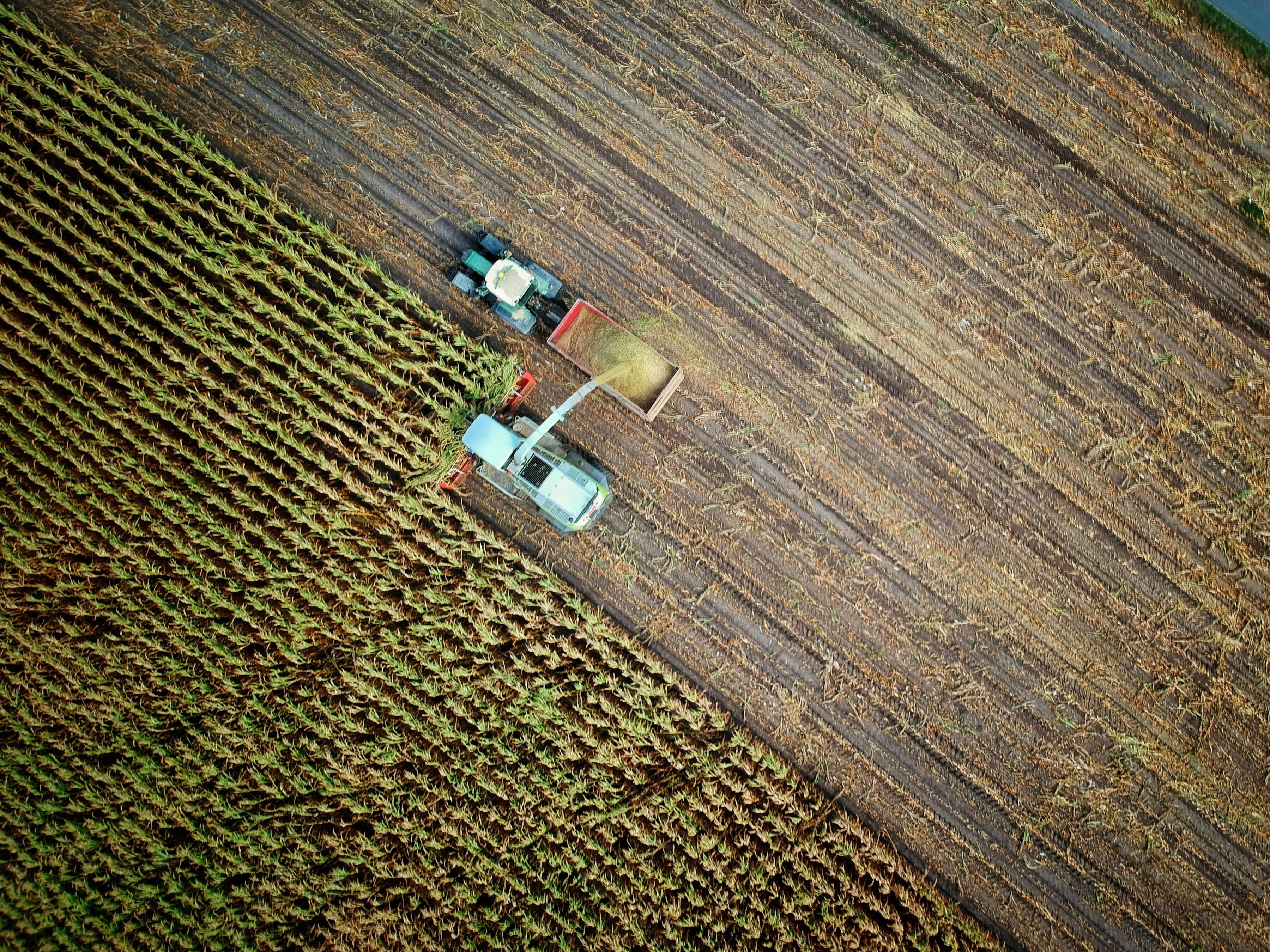
Redefining Agricultural Legacy: The Double-Edged Sword of Cutting-Edge Rice Processing Technologies
The evolution of rice processing technologies has indeed transformed agricultural practices, presenting both remarkable advancements and potential pitfalls. On one hand, cutting-edge machinery promises enhanced efficiency, reduced waste, and higher quality grains. Technologies such as high-precision milling and automated sorting systems are capable of refining rice to premium standards,while also decreasing the energy footprint traditionally associated with grain processing.though, these innovations come with thier own set of challenges.The capital investment required for such technologies can be daunting for smallholder farmers who already operate on thin margins. Moreover, a heavy reliance on mechanization may lead to the neglect of traditional practices that promote biodiversity and soil health. This raises critical questions about the legacy of agricultural methods that have sustained communities for generations.
To navigate these complexities effectively, stakeholders must strike a balance between innovative practices and the preservation of agricultural heritage. A nuanced approach could involve incentivizing smallholder access to advanced technologies thru cooperative models, allowing farmers to share resources and expertise. Furthermore, the focus should not merely be on yield maximization but also on sustainability metrics—integrating environmental impact assessments into the technology adoption process. Key factors to consider include:
- Environmental Sustainability: Prioritize technologies that reduce water usage and diminish carbon output.
- Social Impact: Engage with local communities to understand the socioeconomic implications of shifting to high-tech solutions.
- Market viability: Assess weather the end product meets consumer demand for organic and sustainably sourced rice, ensuring premium pricing.
Fostering an environment where innovation complements traditional methods could result in a robust agricultural legacy that honors the past while paving the way for a sustainable future.

Sustainability Myths Exposed: The Hidden costs Behind Modern Rice Production Innovations
As we delve into the realm of modern rice production innovations, it becomes crucial to peel back the layers of sustainability myths that often cloak these advancements. While new techniques and technologies—such as precision agriculture and hybrid rice varieties—are marketed as eco-kind, the reality is more complex. As a notable example, the shift towards genetically modified organisms (GMOs) is frequently championed as a means to increase resistance to pests and environmental stresses. However, this can inadvertently lead to increased dependence on chemical inputs, raising questions about long-term ecological impacts. Thus, a critical assessment of trade-offs is essential:
- Resource Intensity: Innovations may require more water or fertilizer than traditional methods.
- Farm Diversity: A reliance on monocultures can diminish biodiversity, affecting soil health and pest control.
- Local Adaptability: Solutions developed in one region often fail in another, demonstrating the need for context-specific approaches.
Moreover, the ideals of sustainability must be scrutinized alongside the economic implications of these innovations.While automation in rice processing may ensure higher efficiency and lower labor costs, it often leads to job displacement in rural communities, posing meaningful socio-economic challenges. Stakeholders must grapple with the dilemma of improving productivity while fostering community resilience. A nuanced advice would be to weave local inputs and stakeholder engagement into the fabric of agricultural innovations, thereby aligning economic benefits with ecological responsibility. Research suggests that integrating traditional farming knowledge with modern technologies can yield a more balanced approach, challenging prevailing assumptions that make technology the sole panacea for sustainability issues.
Beyond Yield: Evaluating the true Impact of Advanced Rice Processing on Soil Health and Ecosystems
Advancements in rice processing technology undoubtedly enhance yield and quality, yet their implications extend far beyond mere productivity metrics. The adoption of advanced equipment can considerably alter soil health and broader ecosystems. as a notable example, modern milling technologies that emphasize whole grain retention can definitely help minimize the waste typically associated with traditional processing methods. This not only conserves energy and reduces greenhouse gas emissions associated with milling but also preserves valuable nutrients that contribute to soil fertility when organic inputs from processing waste are returned to the field. Thus, integrating such technologies can create a cyclical benefit, linking high-quality production with robust soil ecosystems. Key benefits include:
- Enhanced Soil Structure: The return of milling by-products like bran can improve soil aeration and moisture retention.
- Increased Biodiversity: Promoting organic matter from processing waste fosters a richer microbial environment.
- Carbon Sequestration: Sustainable practices that integrate advanced processing can enhance carbon capture methodologies.
However, a critical examination reveals that not all advanced processing methods equate to ecological benefits. The shift toward mechanization often often leads to monoculture practices and diminished agro-biodiversity, which can impair soil resilience in the long term. Furthermore, there is a trade-off to be considered: while advanced machinery can reduce labor requirements, the resulting depopulation of rural areas may negatively affect the human dimension of ecosystem management. Stakeholders must weigh these elements carefully,recognizing that true sustainability is multifaceted.Providers of rice processing equipment should consider frameworks that not only prioritize efficiency but also actively promote ecological health. Collaborative efforts to innovate in sustainable practices—such as regenerative agriculture techniques—are necessary to redefine success in modern agriculture.
Innovation vs Tradition: Navigating the Trade-Offs in Quality and ethics of Rice Production Practices
in the ever-evolving landscape of rice production, the dichotomy between innovation and tradition presents a nuanced challenge.Traditional methods, often lauded for their connection to cultural heritage and the local ecosystem, often emphasize practices like hand-harvesting and organic pest management. However, these methods can inadvertently lead to inconsistencies in quality and productivity, particularly under the pressures of climate change and market demands. Conversely,modern innovations—such as precision farming technologies,bioengineered seeds,and automated processing equipment—promise enhanced yields and improved product quality,yet they frequently enough come at the cost of traditional practices that form the backbone of local economies and cultural identities.
To navigate these trade-offs effectively, stakeholders in the rice production sphere must strike a balance that respects both quality and ethical considerations. Here are some recommendations to achieve this equilibrium:
- Promote Integrated Practices: Encourage a hybrid approach that incorporates modern technologies while retaining valuable traditional techniques,such as intercropping or natural fertilization.
- Invest in Research: Fund studies focused on sustainable practices that leverage cutting-edge technology to minimize environmental impact while maximizing yield.
- Educate Stakeholders: Provide training sessions that emphasize the benefits of both innovative techniques and traditional methods to establish a holistic understanding of rice production.
This delicate balancing act is not merely theoretical; it necessitates rigorous implementation at every level of the production process. When executed thoughtfully, producers can reap the benefits of enhanced efficiency and quality while honoring the traditions that enrich their communities. Ultimately,the path forward should leverage the strengths of innovation without discarding the rich tapestry of practices that offer ethical sustainability in rice production.
Final Thoughts
As we stand on the cusp of a new era in agricultural innovation, the evolution of rice processing equipment offers a glimpse into a more sustainable and quality-focused future. With each advancement, from precision milling technologies to eco-friendly processing methods, we are not just reshaping the landscape of rice production; we are redefining the very principles of what it means to cultivate food responsibly.
The transition towards these innovations reflects a broader commitment to harnessing technology for the betterment of both farmers and consumers. By embracing these sophisticated systems,we can ensure that each grain of rice tells a story of sustainability,quality,and care—a narrative that is becoming increasingly significant in today’s world.
As we forge ahead, it is clear that the synergy between tradition and technology holds the key to unlocking a more resilient agricultural system. In our quest for excellence, let us continue to explore and invest in the innovations that will sustain us, nourish our communities, and protect our planet. Together, we can elevate rice from a simple staple to a symbol of sustainable progress—one grain at a time.