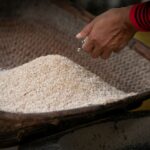
In the dynamic realm of modern agriculture, paddy processing units stand as pivotal players in bridging the gap between farm and market. With the global demand for rice continuously on the rise, the efficiency and operational capabilities of these units have become more critical than ever. This article delves into the intricate world of technical analysis for paddy processing units, exploring the performance metrics and specifications that define success in this sector. By evaluating the operational efficiency of these facilities,we aim to illuminate the best practices and innovative technologies that can drive productivity and sustainability in agricultural systems. Join us as we dissect the essential components that contribute to effective paddy processing, offering insights that resonate with industry stakeholders and foster advancements in a transformative landscape.
Innovative Machinery and Material Selection: Enhancing Paddy Processing Mechanisms for High Efficiency
Innovative machinery and precise material selection are pivotal in enhancing the efficiency of paddy processing units. Modern systems employ advanced mechanization that integrates processes such as dehusking, milling, and grading into streamlined workflows, thereby minimizing manual intervention. For instance, a contemporary paddy processing unit may utilize multi-functional rice milling machines that combine multiple processing stages into a single unit. These machines often feature:
- Automated Feed Systems: Ensures consistent input feed rates, reducing variations in output quality.
- High-Efficiency Separators: Utilize air suction and vibration technology to effectively separate husk and bran.
- Low Noise and Vibration Levels: Advanced design reduces operational disruption and enhances worker comfort.
- energy Recovery Systems: Capture and reuse energy from waste heat generated during milling.
When evaluating paddy processing machinery, several criteria must be considered to ensure the selection meets specific operational goals. Key performance factors include:
| Criteria | Specifications | Limitations |
|---|---|---|
| Processing Capacity | Up to 2 tons/hour | Higher capacities may lead to increased machinery wear. |
| Energy Consumption | 0.05-0.3 kWh/kg | Variability based on moisture content and feed types. |
| Yield Recovery Rate | Up to 70-75% | Lower yields in high-moisture grain can affect output quality. |
Moreover, ongoing advancements in material technology allow for the incorporation of wear-resistant components and lightweight alloys, further enhancing machinery longevity and efficiency. For example, the introduction of polymer-based coatings can substantially reduce friction in frictional surfaces, thereby improving the operational efficiency of machines while also decreasing energy consumption. Additionally, the choice of grain storage materials—such as moisture-resistant polyethylene silos—has a direct impact on maintaining the quality of paddy before processing, ensuring higher milling yield and reduced spoilage.

Quantifying Operational Performance: A Technical Exploration of Metrics Driving Success in Paddy Processing
in the realm of paddy processing, operational performance quantification hinges on a set of defined metrics that provide insight into efficiency and productivity. Key metrics include:
- Throughput rate: The volume of paddy processed per hour, usually measured in tons. A typical modern unit may achieve a throughput of 5-10 tons/hour depending on the technology employed.
- yield Ratio: The proportion of milled rice obtained from a set quantity of paddy, expressed as a percentage. As a notable example, an effective milling operation may report a yield of 65-70%, meaning out of 1 ton of paddy, 650-700 kg of rice is produced.
- Energy Consumption: Energy efficiencies are crucial; modern paddy processing plants aim for energy consumption between 0.5 to 1 kWh per kg of processed rice.
- Downtime Ratio: Measures the percentage of time the processing unit is not operational compared to total available time. A target downtime rate of less than 5% can signify optimal performance.
When comparing different processing technologies, specifications play a pivotal role in determining operational effectiveness. Such as, comparing customary stone milling to modern rubber roll milling reveals important differences in both efficiency and yield. Rubber roll mills generally offer higher throughput and lower breakage rates, improving overall yield.Moreover, limitations such as equipment maintenance needs, variability in raw paddy quality, and regional climate impacts must be factored into operational planning. An example analysis can be structured as follows:
| Specification | Traditional Milling | Modern Milling |
|---|---|---|
| Throughput (Tons/Hour) | 2-4 | 5-10 |
| Yield (%) | 60-65 | 65-70 |
| Energy consumption (kWh/kg) | 1-1.5 | 0.5-1 |
Ultimately, identifying the right combination of metrics and specifications is critical to enhancing operational efficiency in paddy processing units, enabling stakeholders to make informed decisions regarding technology investments and process optimization.
Engineering Challenges and Solutions: Navigating Limitations in Modern Paddy Processing Units
Modern paddy processing units face a myriad of engineering challenges, primarily due to the diverse physical and chemical properties of rice. One of the most significant limitations is the variation in moisture content of paddy, which ranges from 15% to 25%. High moisture levels can lead to inefficient milling, increased breakage rates, and lower yield of white rice. Consequently, processors must invest in advanced drying systems that ensure uniform drying without causing thermal damage. As an example, the use of recirculating batch dryers can maintain consistent airflow and temperature, optimizing the drying process. Additionally, the design of milling equipment must accommodate for varying grain dimensions that impact the efficiency of hulling, polishing, and sorting operations. Parameters like the roller gap and surface texture of hulling machines are crucial and should be adjustable to adapt to different rice varieties.
Further complicating matters, the processing flow can be disrupted by the presence of impurities such as stones, husk, and broken grains. this necessitates the integration of sophisticated cleaning and separation technologies. For example,innovative gravity separators and air classifiers are employed to enhance the quality of the final product,but they come with their own set of operational challenges,including energy consumption and mechanical wear.The balance between achieving high throughput and maintaining product quality becomes increasingly complex with the integration of more technology. Hence, performance metrics such as overall equipment effectiveness (OEE), which assesses availability, performance, and quality, must be closely monitored. A summarized comparison on key performance factors illustrates the challenge:
| Factor | Milling Efficiency (%) | Power Consumption (kW/ton) | Breakage Rate (%) |
|---|---|---|---|
| Traditional Mill | 60-70 | 8-10 | 10-15 |
| Modern Mill | 80-90 | 5-7 | 3-5 |
Standards and Specifications: assessing Quality Control Factors in the Paddy Processing Supply Chain
The quality control factors in the paddy processing supply chain are crucial to ensure that the produced rice meets the required standards. Key mechanisms to assess these factors include adherence to the International Organization for Standardization (ISO) guidelines and the Hazard Analysis Critical Control Point (HACCP) system. These standards provide a framework for systematically evaluating processes from paddy collection to milling. For example, the ISO 22000 standard focuses on food safety management systems, ensuring that the entire supply chain has effective controls in place. similarly, HACCP identifies specific points in the process where risks can be controlled, typically during milling and packaging, to mitigate contamination or quality degradation.
in addition to these standards, performance metrics such as yield ratios, milling recovery rates, and moisture content levels are essential criteria for assessing quality. A comparison of different processing units may reveal the efficiency of specific technologies, such as the use of modern huskers or color sorters, which can enhance product quality significantly. For instance, a processing facility achieving a milling recovery rate of over 68% for white rice is typically recommended, whereas facilities with lower rates may need to evaluate their equipment and operational practices. Limitations in manual labor, equipment efficiency, or improper storage conditions can hinder these performance metrics, necessitating regular audits and benchmark analyses against established industry standards. Utilizing this structured approach helps to pinpoint operational inefficiencies and implement corrective actions effectively.
Future Outlook
As we conclude our exploration of the technical analysis of paddy processing units, it becomes evident that the efficiency and performance of these systems play a pivotal role in modern agricultural landscapes. The metrics and specifications discussed not only reflect the underlying technological advancements but also underscore the essential balance between innovation and sustainability.
The journey through various performance indicators highlights the intricate interplay of process optimization, resource management, and operational efficacy. By understanding these elements, stakeholders can make informed decisions to enhance productivity while minimizing environmental impacts.
As we move forward in an ever-evolving agricultural paradigm, the insights gleaned from this analysis serve as a roadmap for continuous advancement in paddy processing. Embracing these principles will not only benefit individual units but also contribute to the resilience and sustainability of agricultural systems worldwide. In this age of technology and conversion, the commitment to refining paddy processing methods stands as a testament to our dedication to food security and enduring farming for generations to come.