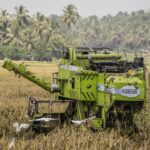
In the heart of agrarian landscapes, where golden fields sway under azure skies, the humble grain of rice—staple to billions—transcends mere sustenance. Yet, behind the scenes of this cherished commodity lies a complex tapestry of processes and technologies that elevate raw harvests into the polished grains gracing our tables. Among these innovations,combined rice mills stand out as pivotal players in shaping the rice industry. This article embarks on a journey to unravel the intricate workings of combined rice mills, exploring their historical context, mechanistic functions, and the far-reaching impacts they exert on production efficiency, economic viability, and ultimately, global food security. With grains of knowledge nestled within, we aim to foster a deeper understanding of this essential component in the narrative of rice production, inviting readers to appreciate the fusion of tradition and technology that feeds the world.
exploring the Evolution of Combined Rice Mills in modern Agriculture
Understanding the evolution of combined rice mills can significantly inform your investment and operational strategies. If you’re considering investing in or upgrading to a modern combined rice mill, here are several practical steps to take:
- Research Technological Advancements: Look into modern milling technologies such as multi-grain processing and automated systems. Mills that incorporate advanced technology often yield better quality rice with higher efficiency.
- Evaluate Energy efficiency: Assess the energy consumption of the mills. Opt for models that boast improved energy efficiency ratings, as this can significantly reduce operational costs over time.
- Check for Multi-functional Capability: Selecting a combined rice mill that offers additional processing functions, like husking and polishing, can streamline operations and reduce the need for multiple machines.
However, typical pitfalls can arise during this evolution. Such as, neglecting to invest in proper training for your staff on the new equipment can lead to underperformance. Additionally, if you fail to conduct routine maintenance, even the best machines may experience breakdowns. To make smarter choices:
- Engage with Manufacturers: Establish a direct line of communication with manufacturers to understand the total cost of ownership, including maintenance, spare parts, and support services.
- Seek Customer Reviews: Investigate feedback from current users of the machinery you’re considering.Insights from other farmers can highlight features that truly enhance performance or uncover potential issues.
- Analyze Local Market Needs: Tailor your milling operations to local demand. If high-quality, polished rice is sought after in your area, prioritize equipment that excels in producing such a product.

Mechanisms of efficiency: How Combined Rice Mills Operate and Their Benefits
Combined rice mills integrate multiple processes—from cleaning and milling to packaging—into a single operational unit, which enhances efficiency and reduces operational costs. To ensure your rice milling operation maximizes productivity and minimizes waste, consider the following practical steps:
- Check Equipment Maintenance: regular maintenance of machinery is vital. Schedule daily inspections for wear and tear on essential components like hulling machines and milling shafts.
- Monitor Energy Use: Efficiency can be improved by using energy-efficient motors and drives.Evaluate energy recovery systems to minimize operational costs.
- Select the Right Technology: Choose a combined rice mill with technology suitable for your rice variety and production scale. For example, a mill that supports both aromatic and non-aromatic rice can diversify your offerings.
- Training Personnel: Invest in training for mill operators. Well-trained staff can troubleshoot issues before they escalate,reducing downtime.
When evaluating combined rice mills, be aware of common pitfalls that can impact efficiency:
- Inadequate Grain Preparation: Failing to properly clean and sort grains before milling can lead to inefficiencies in output and poor quality.
- Mismatched equipment Capacity: Ensure the capacity of the milling machinery aligns with your production goals. Overloading can result in system failure,while underutilization may waste resources.
- Neglecting Quality Control: Implement a robust quality control system to regularly assess output quality. This might include sampling tests for broken grains and checking milled rice for moisture levels.
making smarter choices involves regularly evaluating these factors and seeking continuous enhancement. For reference, consider the following simplified cost-benefit table that illustrates potential savings from upgrading machinery versus maintaining older equipment:
| Action | Estimated annual cost | Potential savings |
|---|---|---|
| Upgrade to High-Efficiency Mill | $20,000 | $50,000 |
| Maintain Current Mill | $10,000 | $15,000 |
Economic and Environmental impacts of Combined Rice Mills on Local Communities
Combined rice mills play a dual role in local economies, acting as a critical hub for rice processing while also influencing the environment. When evaluating their economic impact, it is essential for stakeholders—including farmers, mill operators, and local governments—to consider both the positive and negative outcomes. For farmers, leveraging a local combined rice mill can streamline the supply chain, reduce transportation costs, and enhance profit margins. To maximize these benefits, local stakeholders should:
- assess Pricing Structures: Ensure that the mill provides competitive pricing for milling services.
- Evaluate Production Efficiency: check the mill’s efficiency in output,as lower processing times with high quality can lead to better income.
- Encourage Local Partnerships: Foster collaborations with local producers to guarantee consistent grain supply and shared access to technology.
However, environmental concerns frequently arise with the operation of combined rice mills, especially relating to waste management and emissions. Common issues include improper disposal of husk and byproducts, which can lead to pollution and health risks in local communities. To mitigate environmental damage, consider the following actionable strategies:
- implement Waste Recycling: Encourage mills to adopt clean technologies that recycle husk for energy or use it as organic fertilizer.
- Regular Environmental Audits: Push for local compliance checks to ensure that mills meet environmental regulations and address any problematic practices.
- Community Education Programs: Create initiatives to educate locals about waste reduction methods and promote enduring practices in rice production and milling.
Recommendations for Sustainable Practices in the Operation of Combined Rice Mills
- Energy Efficiency: Upgrade to energy-efficient machinery, such as modern husking and milling equipment that consume less electricity. For example, consider investing in multi-functional machines that can process rice with a single pass instead of multiple machines for each stage. Regularly maintaining machinery can prevent unneeded power consumption, so create a routine check-up schedule.
- Water Management: Implement a rainwater harvesting system to reduce freshwater usage in operations. Track water usage metrics to identify waste points and set benchmarks for reduction. Consider using water-efficient polishing and washing machines that utilize less water while providing high-quality output.
| Common Pitfalls | Smart Practices |
|---|---|
| Neglecting post-harvest losses | Invest in proper storage facilities and optimize milling times to minimize spoilage. |
| Excessive waste generation | Implement a waste segregation system and explore opportunities for bioenergy applications using rice husks. |
| Ignoring employee training | Regularly train staff on best practices for operation efficiency and sustainability measures. |
- Quality Control: Enhance quality control by incorporating real-time monitoring technologies that track moisture levels and grain quality during processing. This proactive approach helps prevent quality degradation and reduces rework costs.
- Community Engagement: Foster partnerships with local farmers and educational institutions to promote sustainable rice farming practices and share knowledge about eco-friendly operations. Engage in community projects that can leverage local resources, reducing transport emissions and fostering goodwill.
Future outlook
As we conclude our exploration of combined rice mills, it becomes evident that these innovative systems are more than just machinery; they are pivotal components of the modern rice industry. By integrating multiple processing functions into a single platform, combined rice mills streamline operations, enhance efficiency, and ultimately contribute to better quality rice production.
The mechanisms behind these mills reveal a engaging interplay of technology and tradition, emphasizing the importance of harnessing advancements while respecting the age-old practices that have sustained rice cultivation for generations. As we navigate the complex landscape of global food production, understanding the role of such technologies becomes increasingly crucial.
The impacts of combined rice mills extend beyond mere productivity; they are shaping economies, influencing social structures, and addressing sustainability challenges across the globe. As we move forward, the continued evolution of this technology invites further research and innovation, holding the promise of a more resilient and equitable rice industry.
In this journey of understanding, we are reminded that every grain of rice carries a story, a legacy of hard work, and the potential for a brighter future. With the knowledge gained from this discussion,stakeholders—from farmers to consumers—can make informed decisions that will aid in advancing both the industry and its many communities.the future of rice milling is undeniably intertwined with the collective understanding of its mechanisms and impacts; let us embrace this knowledge as we cultivate a more sustainable tomorrow.