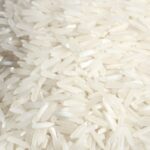
In the bustling landscape of agricultural innovation,paddy processing stands as a pivotal element in ensuring food security and economic viability for millions across the globe. As the world faces mounting pressures from population growth and climate change, optimizing paddy processing has never been more crucial. This article delves into the intricate realm of paddy processing, providing a comprehensive technical review of methods that have emerged to enhance efficiency and quality.By examining performance metrics that define success in this industry, along with the strategic decision factors influencing these operations, we aim to equip stakeholders—from farmers to processors—with insights that foster informed choices and lasting practices. Join us as we navigate the complexities of paddy processing, unveiling the innovative strategies that promise to redefine this essential agricultural endeavor.
Innovative Machinery and Design Principles in Paddy Processing Optimization
The optimization of paddy processing has been significantly enhanced thru the integration of innovative machinery and advanced design principles. One such technology is the use of high-efficiency milling (HEM) systems that incorporate multi-stage processes, combining dehusking, whitening, and polishing in a streamlined operation. These systems often employ vibrating sieve designs to improve separation efficiency, thus maximizing yield while minimizing broken grains. Key specifications for HEM systems typically include:
- Capacity: Ranges from 1 to 5 tons per hour, depending on the scale of operation.
- Energy consumption: Designed to optimize energy use to achieve lower operational costs.
- Maintenance requirements: Innovations in design often lead to reduced downtime.
When comparing traditional paddy processing systems with modern HEM systems,notable differences emerge in both performance metrics and mechanical efficiency. For instance, older dehuskers may achieve around 60-70% efficiency, while advanced vibrating mill systems can reach efficiencies upwards of 90% due to better grain handling and reduced wear on components. However, it is essential to consider limitations such as initial investment costs and the requirement for skilled personnel to operate elegant machinery. additionally, factors like moisture content of the paddy, which influences grain behavior during milling, must be integrated into the process logic for optimal operational parameters.

Evaluating Efficiency: A Comprehensive Analysis of Performance metrics in rice Milling
Evaluating the efficiency of rice milling requires a thorough analysis of various performance metrics that serve as indicators of operational effectiveness. Central to this evaluation are several key criteria:
- Milling Yield: This metric quantifies the proportion of whole grains produced from paddy.Typically, a milling yield of 66% to 72% is desirable; however, this can vary significantly based on paddy variety and post-harvest handling. As an example, a well-managed milling operation can achieve yields exceeding 70%, highlighting the importance of initial grain quality.
- Broken Grain Ratio: An increased broken grain ratio not only affects market value but also signifies potential inefficiencies in the milling process. A target ratio of no more than 5% is common in high-quality mills. Monitoring the conditions (e.g., moisture content and temperature) during milling can mitigate this.
- energy Consumption: The Specific Energy Consumption (SEC), measured in kWh per ton of paddy processed, reflects the overall energy efficiency of the mill. Installations utilizing modern technologies such as rubber roller hullers can reduce SEC to as low as 35 kWh/t, compared to older systems that may use up to 60 kWh/t.
Furthermore, process logic intertwines with technical specifications that can influence overall performance metrics. For example, the integration of a pre-cleaning system not only enhances grain quality but also reduces wear and tear on milling machinery, ultimately lowering maintenance costs.Also, comparing different milling systems—such as traditional village mills vs. industrial-scale plants—shows that the latter often achieves higher milling yields due to superior technology and controlled processing conditions. However, limitations, including high capital investment and operational costs, must be addressed strategically. Performance factors such as labor skill levels,equipment reliability,and moisture management are essential and should be consistently monitored through comprehensive data logging systems to ensure operational excellence.
Materials and Specifications: Enhancing Yield Through Quality Selection in paddy Processing
To enhance yield in paddy processing, the selection and quality of materials play a pivotal role.The key mechanisms involved include the enzymatic activity and structural integrity of the husk, which affects how rice grains can be milled. Essential criteria for selecting paddy varieties focus on traits like grain hardness, husk thickness, and maturity duration, as these factors directly impact milling efficiency and subsequent yield. For example, traditional varieties such as IR64 may require different processing parameters compared to hybrid varieties like Hybrid 4. A comparative analysis of these milling attributes can be visualized in the following table:
| Paddy Variety | Grain Hardness | Husk Thickness (mm) | Optimal Maturity Duration (days) |
|---|---|---|---|
| IR64 | Moderate | 0.7 | 130 |
| Hybrid 4 | High | 0.5 | 110 |
Limitations in the processing phase must also be taken into account. Factors such as moisture content at harvest, which should ideally be around 20-25%, can hinder milling efficiency if outside of this range, leading to higher breakage rates. Additionally, mechanical wear in processing equipment can introduce variability in yield and grain quality. As a notable example, using pre-cleaning systems equipped with air classifiers can minimize husk and foreign matter in the feedstock, thus improving the quality of the processed rice. A robust maintenance schedule for milling machines further aids in optimizing performance, ensuring consistent output, and preventing downtimes that can affect overall yield. Picking the right combination of raw materials and equipment specifications is vital, underscoring the necessity for continuous assessments and adjustments in response to changing agricultural conditions and market demands.
Strategic engineering Choices: Navigating Limitations and Opportunities in Rice Production Systems
Strategic engineering choices in rice production systems encompass a balance between technological innovations and the inherent limitations of existing processes. When selecting paddy processing methods, it is crucial to consider the following mechanisms:
- Mill Types: For instance, traditional hullers versus modern automated milling systems can influence yield, which can range from 60-70% for traditional methods and up to 80-90% for newer technologies.
- moisture Control: Maintaining optimal moisture levels (around 14-16%) is critical for minimizing grain breakage; technologies such as infrared moisture meters can provide real-time assessments.
- Energy Efficiency: Evaluating energy consumption metrics is essential; for instance, modern mills may consume 15-20% less energy due to improved mechanics and automation.
The limitations of various methods should also be addressed to enhance decision-making. For example, while modern milling systems significantly increase throughput, they frequently enough require higher initial investment and maintenance costs, which may not be affordable for smallholder farmers. Comparatively, traditional methods are more accessible but lead to higher wastage rates and lower final product quality. The following performance factors should be regularly monitored:
| Performance Factor | Traditional Method | Modern System |
|---|---|---|
| Time Efficiency | Low | High |
| yield quality | Moderate | High |
| Cost of Operation | Low | High |
Furthermore,understanding the local agricultural conditions and market dynamics can inform strategic decisions about which technologies to adopt or adapt,ensuring that investments align with the potential returns in yield quality and marketability.
The Conclusion
the quest for optimizing paddy processing is a multifaceted journey that intertwines innovation with tradition. As we navigate the landscapes of modern agricultural techniques, the importance of effective performance metrics and strategic decision-making becomes ever more pronounced. this technical review emphasizes that enhancement in processing methods not only boosts efficiency and productivity but also contributes to sustainability within the rice production sector.
By distilling complex data into actionable insights, stakeholders can make informed decisions that resonate with both economic viability and environmental responsibility. As we continue to explore the realm of paddy processing, it is clear that the integration of advanced technologies, sustainable practices, and a deep understanding of market dynamics will pave the way for a more resilient future.
As the sun sets on this comprehensive overview, we invite innovators, researchers, and industry leaders to collaborate and push the boundaries of what is possible in paddy processing. Together,let us cultivate a system that not only meets the demands of today but also prepares us for the challenges of tomorrow.