Maximize your Yield: A Practical Guide to Selecting and Operating Complete Rice Milling Machines for Optimal Production
In the ever-evolving world of agriculture, efficiency and precision are pivotal to achieving maximum yield. For rice producers, the journey from paddy to polished grains is not only a matter of careful cultivation but also hinges on the right choice of milling equipment.Enter the complete rice milling machine—a transformative tool that can elevate production processes, enhance quality, and ultimately, boost profitability. This article serves as your practical guide,offering insights into the intricate landscape of rice milling. We will explore the key considerations for selecting the ideal machinery tailored to your operational needs, as well as operational best practices that ensure your investments translate into optimal production. Join us as we delve into the mechanics, efficiency tips, and industry trends that can help you unlock the full potential of your rice milling operations. Whether you’re a seasoned producer or a newcomer to the field, the path to maximizing your yield starts here.
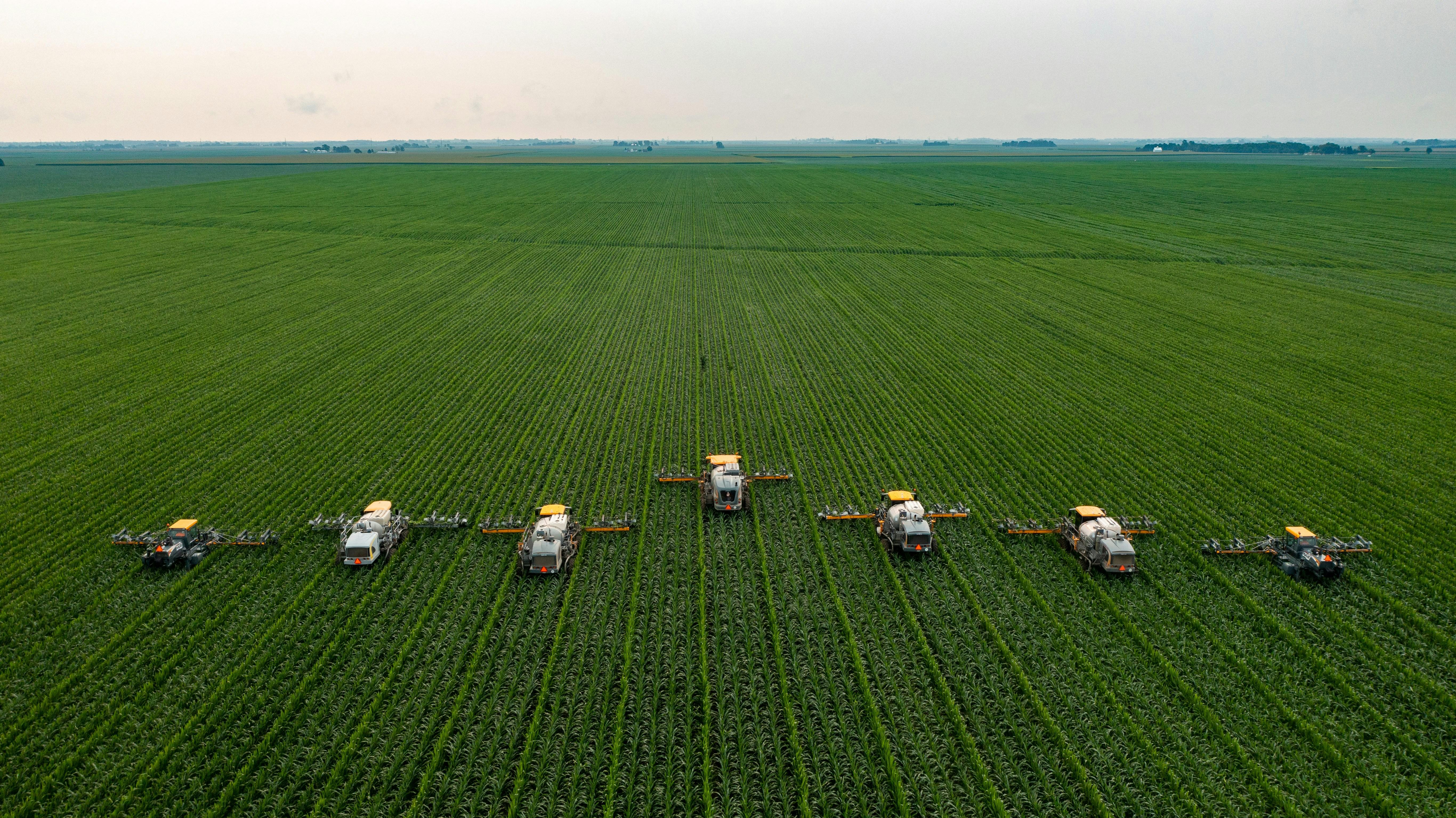
Maximize Your Grain Yield: A Comprehensive guide to Choosing and Utilizing Complete Rice Milling machines Effectively
To maximize your grain yield through effective rice milling, it’s essential to make informed decisions when selecting and utilizing complete milling machines.Start by assessing your specific needs, such as the scale of your operation and the quality of rice you aim to produce. Key factors to consider include:
- capacity: Choose a machine that aligns with your production goals. For example, a small-scale farm may benefit from a 500 kg/h mill, while larger operations may require 1,500 kg/h or more.
- Type of Milling: Decide between traditional, modern, or a combination of both milling techniques. Modern machines offer higher efficiency and lower broken rice percentages.
- Quality of Components: Invest in machines with durable and high-quality parts to reduce frequent maintenance interruptions. Look for brands that provide warranties and have positive reviews for reliability.
In practice, many mill operators encounter issues like over-processing, which can led to broken grains and reduced yield. To avoid this, always adjust the milling parameters based on rice variety and moisture content; as an example, mill paddy rice with approximately 14% moisture for optimal results. Additionally, regular calibration of your machines is crucial. Create a routine check schedule:
Daily: Inspect for wear and tear, clean the milling chamber and screens.
Weekly: Check and tighten all conveyor belts and other moving parts.
Monthly: Test the output quality and re-evaluate the milling settings.
Invest in a rice mill that allows easy access to components for maintenance, ideally featuring diagnostics that indicate when parts need attention to preempt problems. Remember that investing in training for your operators on the machines can substantially decrease operational errors, fostering both productivity and quality.
Insights and Conclusions
the journey to maximizing your rice yield begins not just with understanding the crop, but with the essential machinery that processes it. As we’ve explored in this guide,selecting and operating complete rice milling machines is an intricate balance of technology,efficiency,and adaptability. By investing time in understanding the unique requirements of your operation and the specific capabilities of your milling equipment, you can unlock the potential for optimal production. Remember, the right machinery is not just an asset—it’s a cornerstone of your agricultural success. As you implement these insights into your practices,you’ll not only enhance your yield but also contribute to a more sustainable and profitable future in rice production. Let your milling journey flourish, and may your fields be bountiful!