
In an era where the demands of a growing population meet the urgent need for sustainable agricultural practices, the spotlight is increasingly on rice—the staple food for over half of the world’s population. As global agricultural systems strive for efficiency and environmental stewardship, the advent of advanced rice processing equipment is emerging as a transformative solution. This article delves into the pivotal role of investing in cutting-edge technology for rice processing, exploring how it not only enhances productivity but also aligns with the principles of sustainability. From reducing waste and energy consumption to improving the quality of the final product, discover why embracing innovation in rice processing is essential for farmers seeking to thrive in a rapidly evolving landscape. Join us as we unpack the symbiotic relationship between technology and sustainable farming, unlocking the potential for a more resilient agricultural future.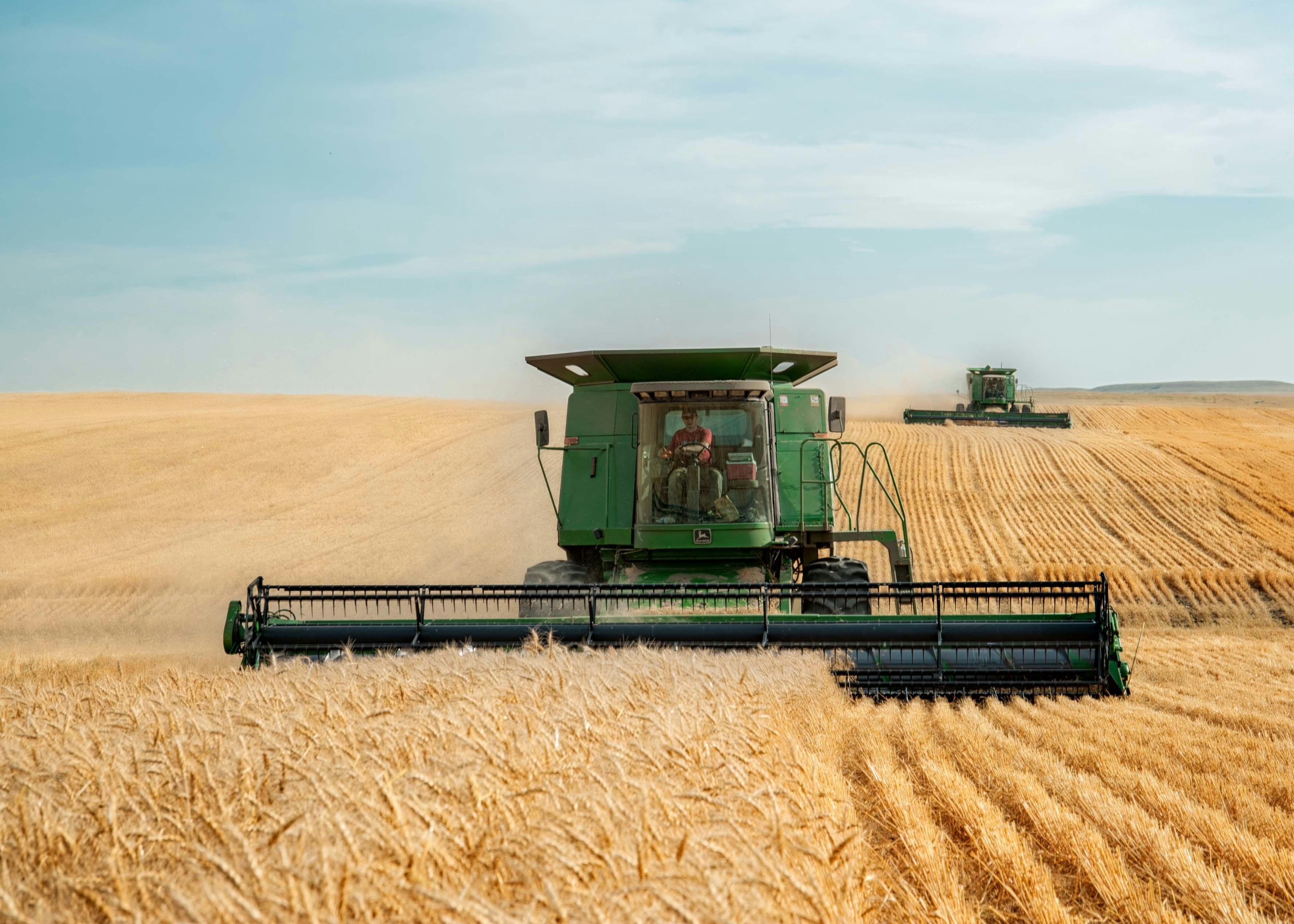
Redefining Harvest: The Double-Edged Sword of Automation in Rice Processing
The advent of automation in rice processing represents a paradigm shift that carries profound implications for farmers, processors, and the economy at large. While automated systems can dramatically enhance efficiency,thay also introduce complexities that challenge conventional farming practices. The trade-offs between speed and quality are particularly striking; automation can streamline operations and cut labor costs but frequently enough at the expense of careful quality control. For example,machinery may overlook defects or variations in grain quality that skilled human workers would catch,perhaps leading to consumer dissatisfaction or market rejection. The key lies in identifying a balanced approach that harnesses automation without forsaking the nuanced artistry of rice processing.
Moreover, the assumption that automation uniformly benefits all stakeholders in the rice supply chain merits scrutiny. In reality, smallholder farmers may face significant barriers when adopting advanced machinery due to high initial costs and a lack of technical know-how. To address these disparities, a multi-faceted strategy is essential. Consider these nuanced recommendations:
- Collaborative Investment: Establish cooperatives to pool resources for joint investment in automation.
- Training Programs: Develop comprehensive training initiatives that equip local farmers with the necessary technical skills.
- Quality Assurance Systems: Implement dual systems of human and automated checks to maintain product quality while achieving efficiency.
By recognizing that automation in rice processing is a double-edged sword, stakeholders can make informed decisions that foster sustainable practices and enhance overall productivity. Emphasizing partnership and education can mitigate risks and ensure that technological advancements benefit the entire agricultural landscape.

The Cost of Progress: Unpacking the Hidden Environmental Trade-offs of Advanced Machinery
The integration of advanced rice processing machinery heralds a transformative era for agricultural efficiency, yet it is imperative to scrutinize the environmental implications that accompany these advancements. while these machines often promise reduced labor costs and increased yield, they frequently come with hidden costs that challenge the simplistic narrative of “more technology equals more sustainability.” Key areas where the environmental trade-offs manifest include:
- Energy Consumption: Modern machinery typically requires significant energy inputs, which may originate from fossil fuels. This dependency can undermine gains made in crop yield if the energy source is not sustainable.
- Material Use: Advanced equipment often relies on high-grade materials that require extensive mining and processing, leading to resource depletion and habitat destruction.
- Waste Generation: As processing efficiency increases, the aftermath of manufacturing waste can be severe, particularly in terms of emissions and non-biodegradable components.
To navigate these complexities, stakeholders can adopt a nuanced approach that balances the benefits of advanced machinery with ecological considerations.A key recommendation is to prioritize equipment that has been designed with energy efficiency in mind, potentially utilizing renewable energy sources where feasible.Moreover, investing in machinery that is modular and easy to repair can extend the lifespan of these tools, reducing overall waste. Establishing partnerships with manufacturers that adhere to sustainable production practices can further mitigate environmental impacts. Ultimately, advancements in technology should not be viewed in isolation; rather, they necessitate a broader ecological viewpoint that values harmony between progress and preservation.
Beyond Efficiency: Evaluating the Long-Term Sustainability of Rice Production Technologies
As we assess the progress in rice production technologies, it is crucial to extend our evaluation beyond mere efficiency metrics. While advanced processing equipment can significantly enhance yield and reduce labor costs, we must ask ourselves whether these technologies promote long-term sustainability. Essential aspects to consider include:
- Resource Conservation: Technologies that optimize water and nutrient usage can dramatically affect environmental footprints. Though, reliance on highly mechanized systems may result in excessive water withdrawal or nutrient depletion, necessitating a comprehensive analysis of soil health and ecosystem impact.
- socioeconomic equity: The adoption of modern equipment can create disparities between larger farming operations and smallholder farmers. A crucial trade-off lies in ensuring equitable access to advanced technologies, without which the benefits may disproportionately favor wealthier agribusinesses.
- Climate Resilience: While some technologies are marketed as climate-smart, not all adaptations will withstand future environmental changes. Investments should prioritize innovations that not only improve productivity today but also build resilience against future climate variability.
To promote truly sustainable practices, stakeholders must critically evaluate which technologies align best with their local conditions and broader ecological goals. This requires a nuanced approach, balancing efficiency improvements with:
| Consideration | Efficiency Potential | Sustainability Risks |
|---|---|---|
| Water Efficiency | High | Overexploitation of water resources |
| Labor Reduction | moderate | Rising unemployment in local farming communities |
| Soil Fertility | Moderate to high | Long-term degradation of soil health if not managed |
Ultimately, a balanced investment strategy should aim not just for immediate efficiency gains, but for a holistic approach that incorporates ecological integrity, economic equity, and social viability. Such a perspective allows for the cultivation of rice systems that thrive not just in the short term, but for generations to come.
Navigating the Hype: Dissecting Common Misconceptions About Modern Rice Processing Solutions
As the dialog surrounding modern rice processing solutions intensifies, several misconceptions have emerged that can cloud decision-making for farmers and investors alike. One prevalent belief is that all advanced equipment guarantees increased yield and profitability, irrespective of the specific operational context. While it’s true that state-of-the-art machinery can significantly enhance processing efficiency, it’s crucial to understand that there’s no one-size-fits-all solution. Key considerations should include:
- Crop Variety: Not all processing equipment is suited for every type of rice. For instance, certain de-huskers may perform better with long-grain varieties than medium or short grains.
- Operational Scale: Larger operations might benefit more from fully automated systems, whereas smallholder farms could see greater returns from semi-automated solutions due to lower initial investment and maintenance costs.
- Regional Conditions: Soil health, climate, and local market demand should dictate the choice of processing technology.
Another common misconception is that higher upfront costs are synonymous with higher efficiency and longevity. While investing in premium equipment often yields better long-term outcomes, it’s essential to conduct thorough cost-benefit analyses. Such as, systems incorporating energy-efficient technologies may have higher initial investment costs but result in substantial savings over time due to reduced operational expenses. Before delving into an upgrade, consider these trade-offs:
| Investment Type | Short-term Benefit | Long-term Value |
|---|---|---|
| Basic Processing Equipment | Lower initial costs | Higher maintenance costs |
| Advanced Automated Solutions | High efficiency | Significant savings in labor and energy |
Ultimately, discerning nuances in the marketing and promotion of rice processing technologies will empower farmers to make informed decisions that align with their unique operational needs. Challenging assumptions and approaching equipment investments with a critical eye will ensure that the quest for efficiency does not overshadow the broader goals of sustainability and profitability.
The Way Forward
the journey toward sustainable farming is paved with innovation, and advanced rice processing equipment stands at the forefront of this evolution. By embracing these technological advancements, farmers not only unlock efficiency but also foster a more resilient agriculture system that can adapt to the challenges of tomorrow. The benefits are multifaceted: improved yields, reduced waste, and a smaller environmental footprint all contribute to a vision of farming that harmonizes with nature while meeting the growing demands of the global population. As we move forward, the commitment to invest in these tools will not only redefine the rice industry but also empower farmers to cultivate a more sustainable future, ensuring that the harvests of today can continue to nourish generations to come. Embracing this approach is not merely a choice; it’s a necessity in our quest for a food-secure planet.



