
In the heart of countless rural landscapes, rice fields ebb and flow with the rhythms of the season, nurturing generations and cultures alike. Yet, behind the bountiful harvests lies a complex web of technology and labor that transforms raw grains into the staple that graces tables worldwide. At the forefront of this transformation are auto rice mills, the unsung heroes of the agricultural economy, orchestrating a symphony of efficiency that enhances both production and quality.this article delves into the intricate workings of auto rice mills, exploring their technological advancements, economic repercussions, and the future trends poised to reshape rice processing.by understanding these vital mechanisms,we can appreciate not just the journey of rice from field to plate,but also the broader implications for sustainability,local economies,and global food security. Join us as we navigate the dynamics of auto rice milling, illuminating its pivotal role in the modern agricultural landscape.
Exploring the Mechanics of Auto Rice Mills and Their Innovative Technologies
When delving into the mechanics of auto rice mills, understanding the specific technologies at play is crucial for making informed decisions. Start by assessing the key components of an auto rice mill, including the paddy separator, husking machine, and milling machine. Carefully check the specifications and performance metrics of these components, as they can drastically influence both efficiency and output quality. It’s common for mills to experiance issues such as overloading in the husking stage or improper alignment in milling stages, which can result in meaningful yield loss. To avoid these pitfalls, prioritize machinery that comes with intuitive control systems and robust sensors to monitor performance regularly. Additionally, seek out mills that incorporate advanced features like automatic temperature control and moisture regulation systems—these can enhance not only the quality of the final product but also reduce waste by optimizing the milling process.
Smart decision-making extends beyond merely selecting equipment; monitoring operational costs and energy consumption is equally vital. Consider these action points when evaluating a potential auto rice mill:
- Compare Energy Usage: Review energy efficiency ratings of different models. A mill that uses less energy during operation can considerably reduce long-term costs.
- Analyze Maintenance Needs: Opt for machines with lower maintenance requirements. Those equipped with self-cleaning systems often have lower operational downtime.
- Evaluate Scalability: choose a model that can adapt to scaling needs. If your processing demand grows,ensure the technology can handle increased capacity without major upgrades.
By addressing these specific concerns and emphasizing reliable technology, you can make more lucrative choices that position your business for success in the competitive rice processing market.
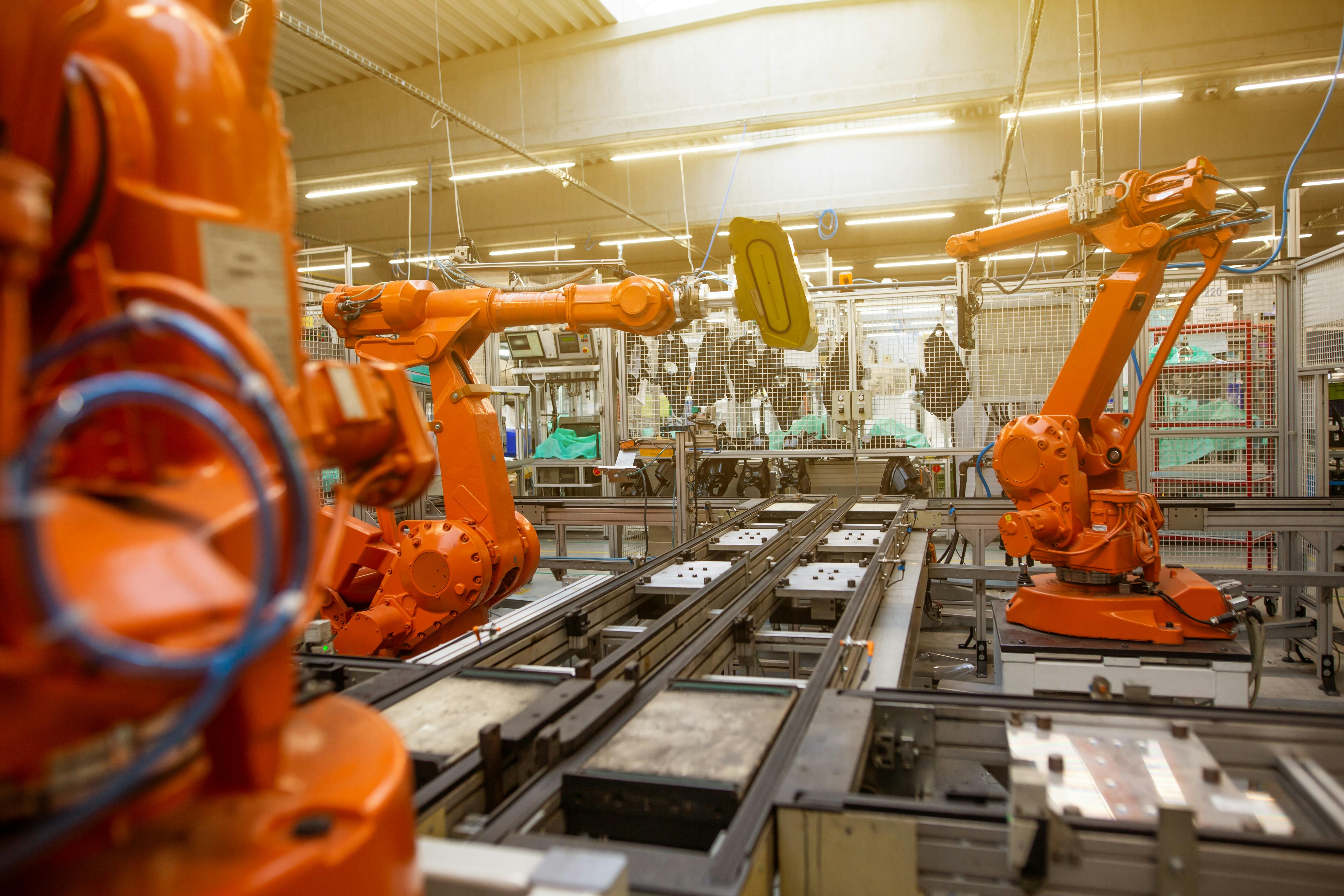
Assessing the Economic Implications of Automated Rice processing in Agriculture
To effectively assess the economic implications of adopting automated rice processing, stakeholders should start by evaluating their current operational scale and identifying specific cost areas that automation could impact. Key considerations include labor costs, maintenance, energy consumption, and processing time. Here are some practical steps to follow:
- Conduct a Cost-Benefit Analysis: Calculate the initial investment required for automated machinery against anticipated savings in labor and time. Such as, if an auto rice mill reduces labor costs by 30% and increases productivity by 50%, quantify these figures over 3-5 years.
- Monitor Maintenance Expenses: Automated systems can require less frequent maintenance, but unexpected breakdowns can led to significant downtime. Implement a preventive maintenance schedule to minimize interruptions.
- Evaluate Energy Efficiency: investigate the power consumption of potential machines. Some models, such as those using energy-efficient motors or smart sensors, can significantly reduce energy costs in the long run.
Next, it’s crucial to consider common challenges and smart choices that can optimize economic returns. frequently, enterprises overlook the importance of training personnel on automated systems, leading to underutilization of the technology. invest in training programs tailored to your equipment to maximize efficiency. Moreover, an additional risk factor is the reliance on a single brand or vendor; diversifying suppliers can mitigate risks of service disruptions. Here’s a comparison table highlighting some options:
| Supplier | Initial Cost | Performance Rating | maintenance Frequency |
|---|---|---|---|
| Supplier A | $50,000 | 4.5/5 | Annual |
| Supplier B | $45,000 | 4.0/5 | Semi-Annual |
leverage such analyses and comparisons to forge partnerships with equipment vendors that offer strong support guarantees and flexible financing options. This foresight can lead to ample economic benefits, positioning your operations well for the long haul.
Sustainability in Rice Milling: Balancing Efficiency and Environmental Responsibility
To effectively harness sustainability in rice milling, operators must focus on integrating eco-pleasant practices into their processes. Start by evaluating your energy consumption. consider investing in energy-efficient machinery that uses less power while maintaining output. Look for auto rice mills equipped with advanced technologies such as solar energy systems or biomass boilers. These not only reduce operational costs but also minimize your carbon footprint. Regular audits of energy use can help identify areas for advancement; as an example, you might discover that switching to LED lighting in your facility can save up to 30% on energy bills.
Water waste is another critical area where you can improve sustainability. Implementing a closed-loop water recycling system can significantly decrease the amount of fresh water needed in the milling process.Additionally, keep an eye on by-products such as husks and bran. instead of discarding these,explore opportunities for value-added products like animal feed or biofuel. Track your waste management system thoroughly—often, mills overlook the potential for repurposing waste, which can turn a liability into a revenue stream. As a benchmark, a mill focusing on proper waste management can convert up to 20% of its waste into useful by-products, increasing overall profitability and environmental responsibility.
Looking Ahead: Future Trends and Innovations Shaping Rice Processing Industries
As the rice processing industry continues to evolve, staying informed about future trends and innovations can provide significant advantages for mill operators. here are key areas to focus on:
- Automation and AI Integration: Invest in AI-driven systems for quality control and process optimization. For example, using machine learning algorithms can help predict equipment failures before they occur, reducing downtime.
- Sustainability Practices: Transition toward eco-friendly processing methods like water recycling systems and renewable energy sources. Check local regulations and incentives for adopting green technologies to cut costs and improve public image.
- Market Trends: Monitor consumer preferences shifting towards organic and sustainably sourced rice. This can influence product development and marketing strategies.
- Digital Supply Chain Management: Implement extensive tracking and management software to streamline operations and enhance openness, allowing for quicker response to market changes.
When exploring these innovations, it’s crucial to assess both short-term and long-term impacts. here are some practical considerations:
- Budget for Upgrades: Establish a clear financial roadmap for implementing new technologies, factoring in training costs for staff and potential downtime during transitions.
- Partnerships with Tech Providers: Collaborate with technology providers for tailored solutions. This could prevent common pitfalls like over-investing in unneeded features or underestimating integration challenges.
- Flexible Operations: Consider modular processing systems that allow for easy upgrades as new technologies emerge, ensuring your mill remains competitive.
to sum up
the journey through the realm of auto rice mills reveals a captivating interplay of technology, economy, and future possibilities. as we have explored, these advanced processing systems not only enhance the efficiency of rice production but also have a significant impact on the livelihoods of farmers and the broader agricultural economy. the technological innovations driving these mills pave the way for increased sustainability and productivity, ensuring that this staple grain continues to meet the demands of a growing global population.
As we cast our eyes toward the horizon, it becomes clear that the future of rice processing is ripe with potential—ushering in new trends that focus on environmentally-friendly practices and digital advancements. By embracing these changes, the rice industry can not only thrive but also contribute to a more sustainable future.
In a world constantly in flux, understanding the dynamics of auto rice mills is crucial for stakeholders at every level, from the smallholder farmer to policymakers. As we move forward, staying informed about the evolving landscape of rice processing will be key in nurturing a resilient and prosperous agricultural sector. The grains may remain humble, but their journey—from field to table—has never been more significant.



