In the heart of rural landscapes, where the rhythm of life dances to the cadence of the seasons, a transformative journey unfolds—one that weaves together tradition and innovation, hardship and hope. enter the Jet Rice Polisher, a remarkable invention that is not just a machine but a beacon of possibility for communities long tethered to the struggles of subsistence farming. as grains of rice—often referred to as the backbone of rural economies—undergo their miraculous change from humble crop to gleaming grains, they carry with them the dreams of farmers, families, and futures yet to be realized. This article delves into the intricate process of rice polishing, exploring how this technological marvel is playing a pivotal role in revitalizing rural economies, empowering smallholder farmers, and igniting aspirations that stretch far beyond the fields. Join us on this compelling journey from grain to gleam,as we uncover the stories and innovations that are reshaping the narrative of rural resilience and prosperity.
The Silent Transformation: How Jet Rice Polishers Are Changing Lives in Rural Communities
In Uttar Pradesh, a small village named Bhimpur had long struggled with the process of rice milling. Farmers would work long hours manually removing husks from paddy, a painstaking and labor-intensive task, often yielding low-quality rice. When the Jet Rice Polisher was introduced in the community, it marked a pivotal moment. On that day, villagers gathered with a mix of hope and skepticism to witness the machine in action.Ram, a local farmer, decided to give it a go, despite his wife’s caution about the investment. After seeing the polished rice emerging from the machine—gleaming and free from impurities—his initial doubts transformed into excitement. the Jet Rice Polisher not only helped him save time but also considerably enhanced the quality of his produce, drawing admiration from neighboring villages. Subsequently, he invested the profits from selling premium rice into education for his children, a decision that reshaped their futures.
This transformation wasn’t just limited to the economic realm; it rippled through community dynamics. With improved rice quality, farmers began collaborating to form a collective business, sharing resources and investing in more Jet Rice Polishers. A contrast emerged between those who embraced the technology and those who hesitated.While some viewed the machine as a threat to traditional methods, others recognized it as a bridge to greater income and self-sufficiency. It wasn’t just about the rice anymore; it became a story of empowerment. Initiative taken by a few turned into a movement, with women like Anjali stepping forward to learn about rice polishing and their newfound role in the economic landscape. This silent transformation birthed new community leaders and champions of change, who found their voices within the hum of the Jet Rice Polisher.
Navigating Setbacks: Overcoming Challenges in the Quest for Quality Rice
In the pursuit of quality rice, the journey often presents unexpected hurdles. Consider Ramesh, a small-scale farmer in Odisha. After investing in a Jet Rice Polisher, he anticipated a significant rise in his product quality and the subsequent profits. The initial excitement, though, quickly turned to frustration when he discovered that the polisher required meticulous calibration to achieve optimal results. The rice still carried uneven polishing, leaving Ramesh grappling with customer complaints. This moment became a pivotal decision point: he could either give up or seek training and support from local agricultural experts. Ramesh chose the latter, attending workshops to learn the intricacies of his new equipment. Through trial and error, he gradually mastered the nuances of the rice polishing process, illustrating that embracing setbacks as learning opportunities can pave the way for success.
Moreover, the contrasts between expectations and reality often reveal deeper lessons. Take the case of meena,a member of a women’s cooperative in West Bengal. The group pooled resources to invest in a Jet Rice Polisher, expecting not only improved rice quality but also a boost in community prestige. Their initial batch, however, was met with skepticism—local consumers where reluctant to except the polished rice, accustomed to traditional varieties. Faced with this challenge, the cooperative convened a meeting, recognizing the need for education and demonstration. They organized an event to showcase the benefits of polished rice, inviting customers to taste-test and compare the products side by side. By effectively communicating the distinct advantages of their polished rice—like improved shelf life and consumer preference—they turned a daunting setback into an engaging marketing prospect, ultimately gaining community support and trust. This journey exemplifies how navigating challenges with resilience can lead to not just quality improvements,but also to stronger community bonds.
A Shift in Perspective: The Ripple Effects of Technology on Age-Old Traditions
The journey of the jet rice polisher isn’t just a tale of machinery; it represents a profound shift in how technology influences age-old traditions. Take, for example, the story of maya, a rice farmer in a small village in India. For generations, her family relied on manual methods to process rice, a grueling task that consumed hours each day and left them with little time for anything else.When the village cooperative introduced the jet rice polisher, Maya faced a critical decision moment—should she embrace this unfamiliar technology or stick to her family’s traditional practices? After much deliberation, she decided to invest in the polisher, not just for herself, but for her community.The transformation was immediate. What once took hours was reduced to mere minutes, allowing farmers to redirect their energy towards other growth opportunities, such as crop diversification and sustainable farming practices.
As Maya’s experience illustrates, this shift was not just about efficiency but also about redefining roles within the community. The ripple effects began to surface; women, traditionally sidelined during the harvesting and processing phases, found new opportunities to contribute to the family income. By enabling faster production times, the jet rice polisher allowed families to engage in local markets, boosting their economic standing and fostering communal ties through shared knowledge and resources. Contrast this with the initial expectation that technology might dilute these traditions. Instead, it enhanced them, weaving a narrative where innovation and heritage coexist. Farmers began to see technology not as a threat but as a bridge to preserving their traditions while embracing modernity, thus initiating a new chapter in their rural lives.
From Fields to Futures: Unpacking the Economic Impact of Enhanced Rice Processing
as the sun rises over lush green fields, the promise of a new harvest awaits farmers like Rajesh, who has spent generations cultivating rice in a small village in India. For Rajesh,the introduction of enhanced rice processing technology—specifically the Jet Rice Polisher—has transformed not only the quality of his crop but also the economic landscape of his community. The jet polisher efficiently removes impurities from the rice grains, resulting in a brighter, more appealing product that fetches a better price in local markets. When Rajesh first invested in this technology, he had modest expectations, thinking it would merely polish his rice. However, the results exceeded his hopes: his earnings nearly doubled in the first season, and with his newfound income, he could afford healthcare for his family and even send his children to school.
The impact of this technology extends beyond individual farmers like Rajesh; it reverberates throughout the entire community. Local women, who traditionally set aside their dreams to help in the fields, have started small businesses selling polished rice, creating a network of commerce that empowers them economically. Take Priya, for instance, who used to struggle to run her household on her husband’s meager income. After collaborating with Rajesh to sell polished rice, she found not only financial independence but also a voice in her community. Together, they are shaping a new economics of resilience where families are no longer just surviving but thriving.This shift highlights a critical lesson: with access to better tools, the rural economy can thrive through enhanced value chains, turning mere grain into a source of prosperity and opportunity.
In Summary
As we conclude our exploration of the jet Rice Polisher and its transformative impact on rural life, we are reminded that innovation often begins at the grassroots level. This remarkable journey from grain to gleam encapsulates not just the evolution of a machine, but the resurgence of dreams long thought dormant in agricultural communities.
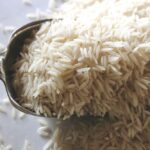
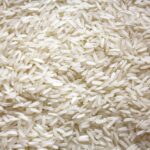
In these fields, where labor meets hope, the Jet Rice Polisher serves not merely as a tool, but as a catalyst for change—empowering farmers, uplifting families, and nurturing the very fabric of rural economies. The gleam of polished rice symbolizes more than just quality; it reflects renewed aspirations and the potential for prosperity.
As we look ahead, may this journey inspire us to continue seeking inventive solutions that honor tradition while embracing progress. The path is paved with challenges,yet the perseverance of those who have embarked on this journey reminds us that every grain tells a story worth sharing. it is the collective spirit of these communities that truly shines, illuminating a future where dreams are no longer confined to the fields but flourish in every corner of rural life.