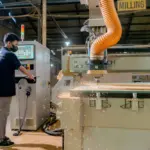
in the ever-evolving landscape of agriculture, the meaning of efficient grain processing cannot be overstated. Among the various grains cultivated around the globe, paddy rice stands as a staple food for billions, facilitating not only sustenance but also economic vitality in numerous communities.The journey of paddy from field to plate hinges on advanced machinery that can ensure precision in milling,preserve grain quality,and maximize yield. This article embarks on a comprehensive analysis of paddy processing machines, delving into the intricacies of precision engineering that underpin their design and functionality. We will explore an array of performance metrics that gauge their effectiveness,alongside key specifications that define optimal capabilities. By shedding light on these critical elements, we aim to equip mill operators, agricultural engineers, and stakeholders with the knowledge necessary to make informed decisions in a market increasingly driven by innovation and efficiency. Join us as we unravel the complexities of paddy processing technology,seeking to illuminate the path towards superior grain milling practices.
Innovations in Paddy Processing: Dissecting the Engineering Excellence Behind Machine Design
Innovations in paddy processing machines emphasize engineering excellence through advanced design and optimized functionality.Key mechanisms include husk removal systems, milling units, and separator technologies, each contributing to overall efficiency and grain quality. For instance, the latest de-husking machines use a two-stage process combining both abrasive and frictional methodologies to minimize grain breakage while maximizing husk extraction. Innovative features such as adjustable rotor speeds and variable feed rate controls allow operators to customize settings based on paddy type and moisture content, ensuring superior processing. Additionally,machines equipped with integrated sensors monitor operational parameters in real-time,allowing for fine-tuning and immediate adjustments to maintain optimal performance levels.
When evaluating paddy processing machines, specific performance metrics and technical specifications are essential. Key criteria such as throughput capacity, measured in tons per hour (TPH), and energy consumption, often expressed in kilowatts per ton, provide valuable insights into efficiency. For example, a high-end milling machine may achieve a throughput of 2 TPH while consuming only 0.5 kWh/ton, showcasing energy efficiency. However, limitations such as the wear and tear of components under continuous operation must be acknowledged, leading manufacturers to explore durable materials like hardened steel and ceramic coatings. moreover, the separator efficiency is critical; with advanced designs utilizing airflow dynamics to reduce chaff contamination, machines can deliver higher purity levels in milled rice. Therefore, a careful assessment of these specifications and performance factors will inform stakeholders about optimal choices for their milling operations.

Beyond Output: Evaluating Performance Metrics in Modern Grain milling Technology
Evaluating performance metrics in modern grain milling technology extends beyond mere output; it encompasses a variety of criteria essential for assessing the efficiency and effectiveness of milling machines. Key performance indicators (KPIs) include yield percentage, energy consumption, and operational uptime, each of which provides insight into the milling process’s efficiency. For instance, yield percentage refers to the amount of refined grain produced relative to the input paddy. An optimal milling machine can achieve a yield of 70-75%,contingent upon its engineering and calibration. To analyse this metric effectively, the Energy Efficiency Ratio (EER) is also crucial, as machines that consume lower energy while maximizing yield play a significant role in cost savings and sustainability in operations.
An essential consideration is the Quality of output, which can be assessed through factors such as head rice yield and broken grain percentage. Precision-engineered machines, like those with vertical and horizontal milling systems, often feature a multi-stage milling process that separates the husk, bran, and endosperm with minimal grain damage. For example, a double-pass milling system can improve end-product quality by reducing fracture points, thus lowering the percentage of broken grains. The limitations of milling technology, such as susceptibility to varying paddy quality and moisture content, also demand robust performance metrics. in comparison, advanced features like automation and real-time monitoring enable millers to adjust settings dynamically, optimizing operational parameters based on incoming paddy characteristics. understanding these performance factors is critical for making informed decisions regarding equipment selection and optimization strategies.
Material Choices and Mechanical Integrity: The Backbone of Effective Paddy Processing Machinery
Material selection plays a pivotal role in the design and efficiency of paddy processing machinery. The primary materials commonly employed in fabrication include high-carbon steel, stainless steel, and specialty alloys, each chosen based on specific mechanical properties required for durability and resistance to wear. such as, high-carbon steel is often utilized in the manufacturing of milling blades due to its superior hardness, which allows for efficient grain cutting while resisting deformation during operation. Conversely, stainless steel is favored for components that require corrosion resistance, especially in humid environments or where food safety standards must be met. Key selection criteria include:
- Tensile Strength: The capacity of the material to withstand tension, impacting the longevity of moving parts.
- Corrosion Resistance: Critical for parts exposed to moisture to prevent degradation.
- Fatigue Strength: The ability to resist repeated stress cycles, essential for components like hoppers and gear mechanisms.
Mechanical integrity encompasses the capability of machinery to maintain performance under various operational stresses. It is indeed essential to consider the specifications related to wear patterns, heat treatments, and coatings that can enhance durability. As a notable example, hardening processes can increase surface hardness in critical contact zones, while protective coatings such as nitriding may prevent oxidation in high-wear applications. A comparative analysis between different materials may reveal limitations; as an example, while high-carbon steel exhibits excellent wear resistance, it may also be prone to brittleness under extreme conditions compared to ductile materials like certain alloys. Testing methodologies for performance factors, such as tensile tests and fatigue life assessments, provide data elucidating real-world impacts on the milling process efficiency.The table below highlights a comparison of common materials used in paddy milling machinery:
| Material | Tensile Strength (MPa) | Corrosion Resistance | Cost (USD/kg) |
|---|---|---|---|
| High-carbon Steel | 700-900 | Low | 1.5 |
| Stainless Steel | 500-700 | High | 3.0 |
| Alloy Steel | 600-800 | Medium | 2.2 |
Navigating Limitations and Efficiency gains: A Comparative Framework for Optimal grain Milling Solutions
In the quest for optimal grain milling solutions, it is indeed essential to navigate the inherent limitations and discover avenues for efficiency gains. Key factors affecting the performance of paddy processing machines include:
- capacity: Defined by throughput capabilities, often expressed in tons per hour, where higher capacities typically come with larger machinery footprints.
- Energy Efficiency: Measured in kilowatt-hours (kWh) per ton of processed grain, modern machines prioritize reduced energy consumption without compromising output quality.
- Durability: Constructed from high-quality materials, the lifespan of milling components directly influences maintenance frequency and operational costs.
- Precision: Involves tolerance levels for milling outputs to achieve desired grain sizes, which are crucial for market standards and customer satisfaction.
- Process Flow: The integration of pre-cleaning,de-husking,whitening,and polishing stages must ensure minimal grain breakage while maximizing yield.
Comparing various milling solutions demands an understanding of these intertwined specifications. As a notable example, a comparison between a traditional disc mill and a modern pneumatic mill reveals significant differences in energy consumption, where pneumatic systems frequently enough achieve up to 30% lower energy usage per ton processed, but may require higher initial capital investment. Moreover,advancements in automation technologies contribute layouts that minimize manual intervention and enhance throughput consistency.
Performance metrics such as recovery rates and product quality are crucial when selecting a milling solution. Typical recovery rates for paddy processing range between 60-70%, influenced by machine type and operating conditions. A well-tuned comparative analysis will reflect:
- Machine Type | recovery Rate (%) | Energy Consumption (kWh/ton)
- Traditional Disc mill | 65 | 1.5
- Pneumatic Mill | 70 | 1.2
- blade Mill | 62 | 1.4
While the pneumatic mill offers superior recovery rates and energy efficiency, the operational complexities and maintenance requirements present challenges. Specific limitations may surface in processing moisture variations and grain types,necessitating tailored calibration in settings that traditional methods may more readily accommodate. Therefore, understanding these parameters empowers stakeholders to make informed decisions that align operational capabilities with market demands.
In Retrospect
the world of paddy processing machines is a engaging intersection of precision engineering and agricultural innovation. Our comprehensive analysis has illuminated the intricate specifications and performance metrics that play pivotal roles in transforming raw paddy into high-quality milled rice. As the demand for efficient grain milling continues to rise, understanding the capabilities and benchmarks of these machines becomes increasingly essential for farmers and mill operators alike.
By blending advanced technology with a deep understanding of the milling process, manufacturers are not only enhancing productivity but also contributing to the sustainability of food supply chains. The key specifications outlined in this article serve as a valuable guide for stakeholders aiming to optimize their operations and ensure they are equipped with the best tools for the job.As we move forward in this dynamic field,continual advancements in paddy processing technology promise to redefine efficiency and quality in rice production. Whether you’re a seasoned professional or new to the industry, we hope this analysis inspires you to explore the potential of these remarkable machines and make informed decisions that positively impact your milling endeavors. Thank you for joining us on this insightful journey through the heart of grain processing!