In an era where efficiency and sustainability are paramount,the agricultural sector continually seeks innovative solutions to enhance productivity while minimizing waste. Enter the mini rice mill—an ingenious piece of equipment that not only streamlines the rice processing journey but also empowers small-scale farmers and enterprises to unlock their full potential. This comprehensive guide delves into the myriad benefits of mini rice mills, exploring their essential features and operational advantages. Whether you’re a seasoned rice farmer aiming to maximize yield or a newcomer intrigued by the possibilities of rice milling, understanding how to choose the right mini rice mill for your needs can significantly impact your success in this staple industry. Join us as we uncover the key elements of mini rice milling that can elevate your agricultural practices and drive efficiency in your operations.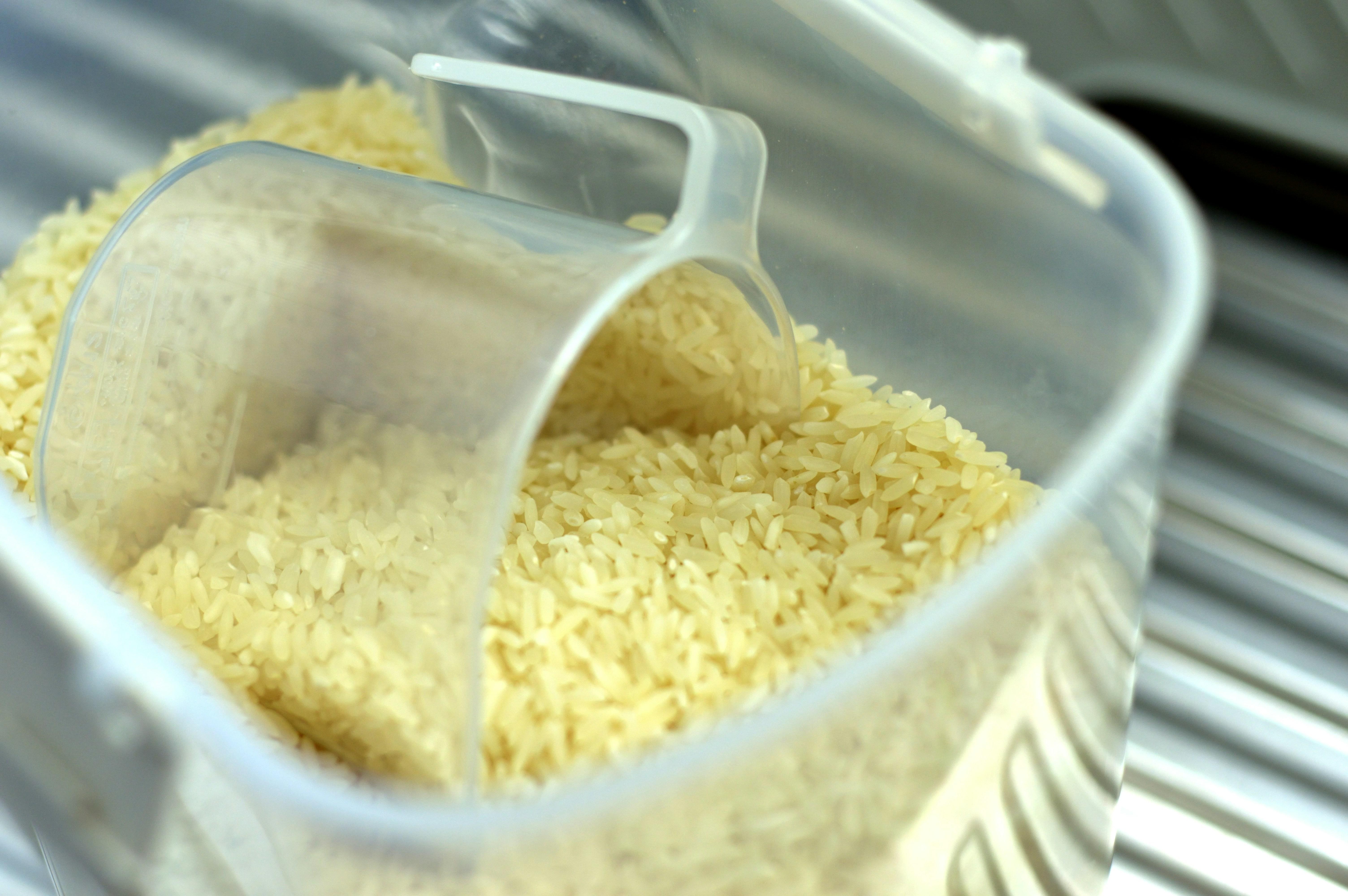
Exploring Mini Rice Mills: How They Revolutionize Your Operation Efficiency
Mini rice mills are compact, efficient machines designed to streamline the rice milling process, thus significantly enhancing operational efficiency for producers and small-scale farmers. These mills come with various features that cater to different needs, including the capacity to husk, polish, and package rice in a single operation. Some key benefits include:
- Cost-Effectiveness: Mini rice mills require lower initial investments and reduced operational costs compared to larger, conventional mills. This makes them accessible to small-scale operators and local farmers.
- Compact Design: Their small footprint allows for easy installation in confined spaces, making them ideal for rural setups.
- Versatile Operations: Many mini rice mills can handle different varieties of rice, allowing operators to cater to broader market demands.
- Reduced Labor Costs: Automation features lead to minimized manual labor, which not only saves costs but also improves safety on the production floor.
When comparing mini rice mills, it is indeed essential to consider operational efficiency, durability, and the ability to produce high-quality rice. Problems such as inconsistent milling quality or excessive breakage can hinder productivity and profitability. Therefore, look for mills with advanced features like adjustable rice whitening levels and built-in separators to minimize grain loss. Additionally, manufacturers may offer support services and warranties, so evaluating these factors against your specific operational needs is also a crucial part of your decision-making process. By investing in the right mini rice mill, businesses can significantly enhance their productivity, reduce waste, and ultimately maximize their profit margins.
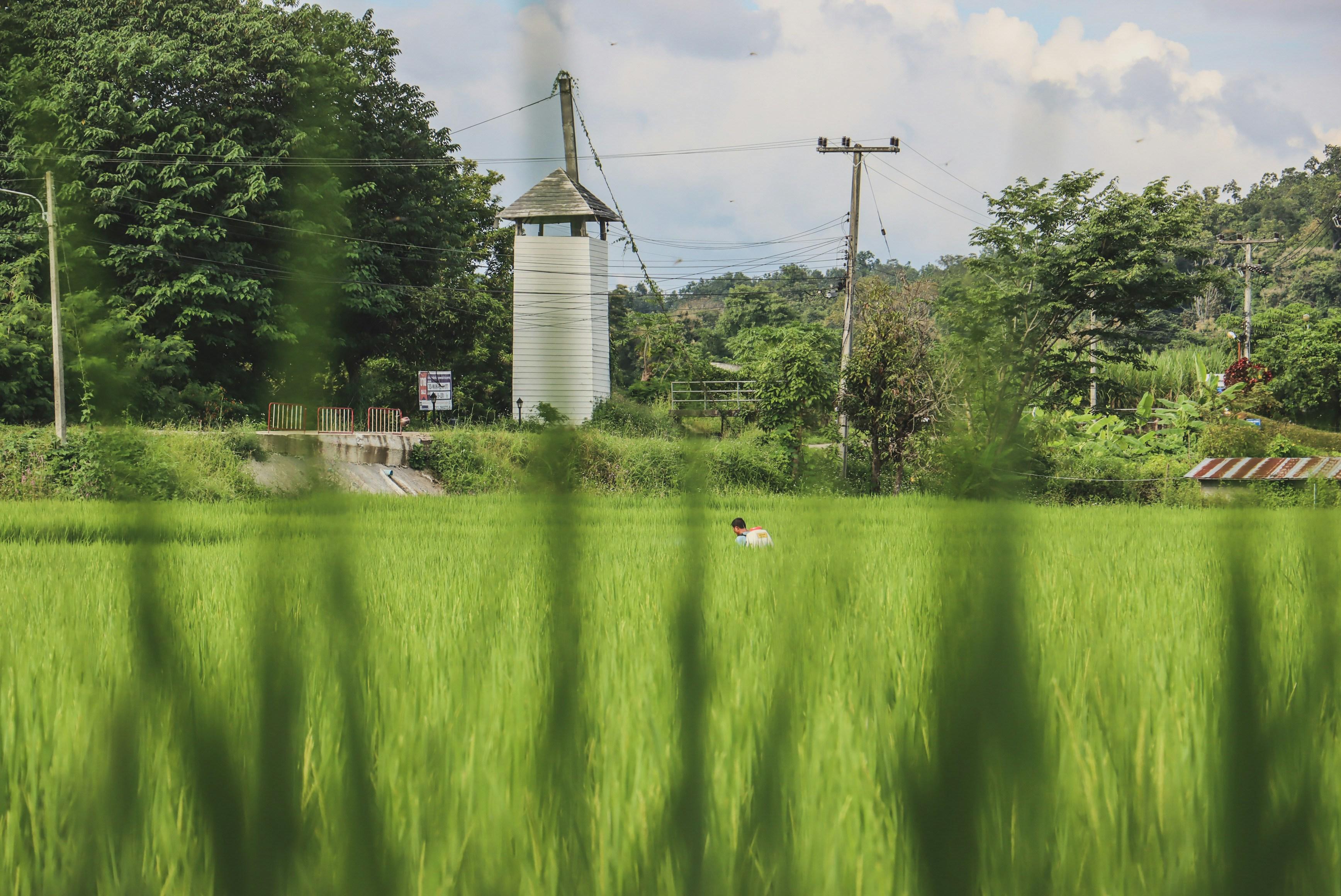
Understanding the Advantages of Mini Rice Mills for Small-Scale Producers
Mini rice mills are game changers for small-scale producers who seek to enhance efficiency, reduce costs, and increase output. These compact machines are specifically designed to process rice from paddy to a market-ready product, making them ideal for farmers and small businesses. Some of the key advantages include:
- Affordability: Mini rice mills are significantly less expensive than their larger counterparts, allowing small producers to invest in milling technology without incurring hefty operational costs.
- Space Efficiency: Their compact size means they can be easily integrated into small facilities or even set up in rural areas where space is limited.
- Enhanced Quality: With advanced technology, mini mills can produce higher quality rice by controlling the milling process more precisely, minimizing damage to the grains.
- Community Support: Investing in a local mini rice mill can foster regional economies, reduce dependency on external milling services, and create job opportunities.
Moreover, the operational simplicity of mini rice mills allows for quicker processing times and faster returns on investment. Unlike larger industrial mills that require meaningful maintenance and skilled labor, mini mills are designed for ease of use, making them accessible to most users. in addition, mini rice mills often incorporate features like huskers and polishers, enabling producers to achieve multiple stages of rice processing efficiently. By offering customization options, these mills can cater to specific needs, whether for white rice, brown rice, or even specialty varieties. It’s essential for producers to evaluate the capacities and milling features of different mini rice mills to select one that aligns with their production goals and market demands.
Debunking Common Misconceptions About mini rice mill technology
Many potential users of mini rice mill technology harbor misconceptions that can prevent them from fully understanding the advantages of these machines. One common myth is that mini rice mills are less efficient compared to their larger counterparts. Though, advancements in engineering have made mini rice mills remarkably efficient, capable of processing similar volumes of rice while utilizing less energy and occupying smaller spaces. Here’s why this belief is unfounded:
- Technological advancements: Modern mini rice mills incorporate advanced technology such as automated systems, ensuring precise milling and higher recovery rates of whole grains.
- Compact Design: Their design allows for easy integration into small-scale farms and operations without sacrificing performance.
- Cost-Effectiveness: These mills require lower initial investment and reduced operational costs, making them accessible for small buisness owners.
Another misconception is that mini rice mills are only suited for small-scale operations, leading to underinvestment by larger enterprises. In reality, many medium and larger scale operations benefit from integrating mini rice mills into their processes for flexibility and operational efficiency. By having a mini mill on-site, businesses can:
| Benefits of On-Site Mini Rice Mills | Description |
|---|---|
| Quality Control | ensures fresh rice processing, improving the overall quality of the product. |
| Customization | Allows for tailored milling specifications based on customer demands. |
| Reduced Logistics Costs | Minimizes transportation needs for sourcing milled rice, ultimately lowering expenses. |
Understanding and dispelling these misconceptions can enable potential users to make informed decisions about investing in mini rice mill technology, leading to enhanced operational efficiencies and economic gains.
A Buyer’s Guide to Choosing the Right mini rice mill for Your Unique Needs
Understanding your specific needs is crucial when selecting a mini rice mill, as these machines come in various configurations designed for different capacities and functionalities. Here are some key factors to consider:
- Capacity: determine how much rice you plan to process daily. Mini rice mills can vary from small units processing 50-100 kg per hour to larger models handling several hundred kilograms. Choose a capacity that aligns with your production requirements.
- Type of Milling: Some mini rice mills offer both milling and husking capabilities, while others may focus solely on one function. Assess whether you need a versatile model that can handle various grains or a unit specialized for rice.
- Power Source: Mini rice mills can be powered by electricity, diesel, or even manually. Consider your access to power and if the machine’s operational cost aligns with your budget.
Aside from capacity and functionality, it’s essential to evaluate the durability and after-sales support of the mini rice mill. A machine built from high-quality materials can withstand the rigors of milling and reduce maintenance costs in the long run. Additionally, check for warranty options and the availability of spare parts from the manufacturer. Below is a comparison table of popular mini rice mills based on key features:
| Model | Capacity (kg/h) | Power (HP) | Husking Feature | Price Range |
|---|---|---|---|---|
| Model A | 100 | 1.5 | Yes | $500 – $700 |
| Model B | 150 | 2 | No | $600 – $800 |
| Model C | 300 | 5 | Yes | $1,200 – $1,500 |
By carefully evaluating these aspects, you can select a mini rice mill that not only meets your immediate requirements but also contributes to your long-term productivity and efficiency.
Insights and conclusions
the journey to unlocking efficiency in grain processing starts with the right mini rice mill. By understanding the myriad benefits and features these compact machines offer,you can make an informed choice tailored to your specific needs. Whether you’re a small-scale farmer looking to streamline your operations or an entrepreneur venturing into rice production, the ideal mini rice mill is within your reach.As you explore the options available,remember that investing in the right equipment not only enhances productivity but also contributes to quality output and sustainable practices. Embrace the potential of mini rice mills, and watch as they transform your rice processing experience—boosting efficiency, saving time, and ultimately elevating your business to new heights. With the data presented in this guide, you are well-equipped to take the next step into a more efficient future. Happy milling!