
in a world that thrives on innovation yet remains deeply rooted in age-old traditions, the rice processing industry stands at a pivotal crossroads. For centuries, rice has been more than just a staple food; it’s a cultural touchstone, a symbol of sustenance and heritage for countless communities. However, as we navigate the challenges of a rapidly changing habitat and a growing population, the need for modernization becomes increasingly apparent. Enter the modern rice processing plant—a groundbreaking shift that promises to revolutionize traditional practices while embracing sustainability. This article delves into the transformative technologies, practices, and philosophies that define today’s rice production landscape, exploring how innovation is redefining an ancient industry and paving the way for a more resilient future. Join us as we unpack the intricate balance between honoring time-honored methods and embracing the tools of tomorrow.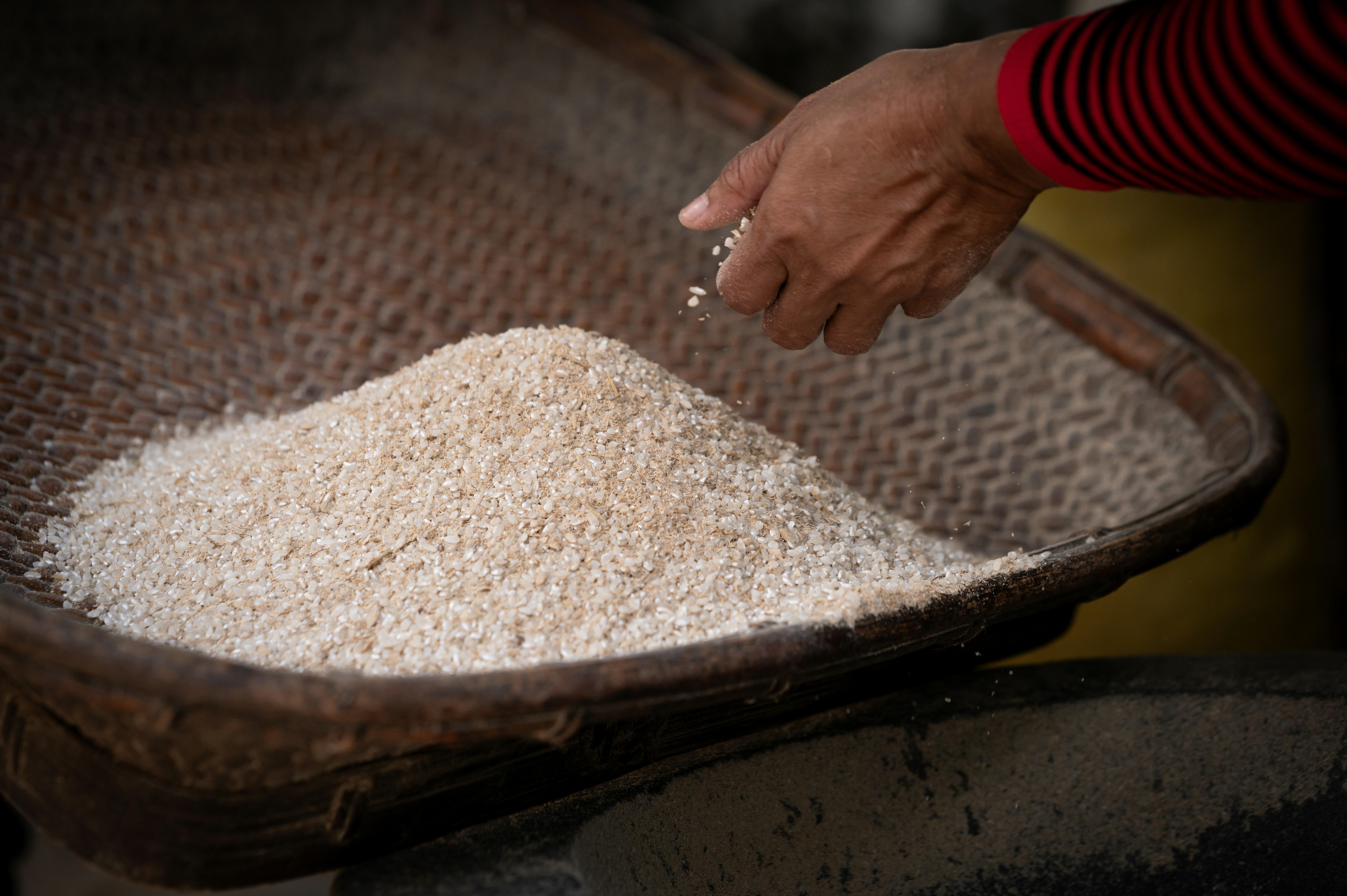
Navigating the Unseen Costs of Modern Rice Processing: Progress at What Price?
modern rice processing is hailed as a marvel of efficiency, transforming paddy into polished grains with notable speed and minimal labor.However, beneath this veneer of technological advancement lies a host of unseen costs that merit critical examination. these costs can be categorized into several key areas:
- Environmental Impact: the shift to large-scale processing often leads to significant water consumption and the generation of waste, including husks and dust. This not only contributes to local pollution but also raises concerns about resource depletion.
- Economic Disparities: While these facilities can create jobs, they often favor skilled labor and technology over traditional farming roles, leaving many smallholder farmers and laborers grappling with reduced opportunities and income.
- Loss of cultural Heritage: High-tech processing may disregard local traditions, perhaps eroding cultural practices associated with rice cultivation and consumption, a vital part of many communities’ identities.
as these processing plants disrupt age-old practices, stakeholders must make purposeful choices. Investing in lasting technologies that mitigate environmental harm while preserving economic prospects for local farmers is crucial. For instance, integrating small-scale, solar-powered mills coudl offer a balanced solution, maintaining local employment and minimizing carbon footprints. Additionally, fostering educational programs on sustainable practices can empower farmers to engage in enhanced processing techniques without losing connection to their cultural roots. Addressing these nuanced trade-offs will not only safeguard against the pitfalls of progress but also ensure a more equitable future for all involved in rice production.
Beyond the Hype: Evaluating the Sustainability Claims of Advanced Rice Mills
When evaluating the sustainability claims of advanced rice mills, it’s crucial to go beyond surface-level marketing and dive into the nitty-gritty of their operations. Many mills tout energy efficiency and reduced waste, but these claims must be scrutinized through a lens that considers both environmental impact and socio-economic factors. As an example, while modern processing techniques can decrease water usage and enhance energy efficiency, the trade-off often lies in the dependency on high-tech machinery that may outpace the capabilities of local labor forces.
- Technological Dependence: High equipment costs can lead to consolidation, where only well-capitalized businesses thrive, potentially marginalizing small-scale farmers.
- Resource Utilization: While advanced machines may optimize grain output, they can perpetuate unsustainable farming practices if not paired with responsible sourcing policies.
- Cultural Erosion: The transition to industrial processes frequently sidelines traditional rice cultivation methods that promote biodiversity and local knowledge.
Rather than accepting sustainability claims at face value, stakeholders—including producers, regulators, and consumers—should adopt a holistic evaluation framework. This should include clear metrics for energy usage, waste generation, and the economic impacts on surrounding communities. Engaging in cross-sector partnerships can also foster openness, allowing for a better understanding of how modern mills can genuinely contribute to sustainability. by demanding accountability and supporting mills that champion environmentally friendly practices while bolstering local economies, we can create a more balanced narrative around rice processing sustainability.
From Tradition to Technology: Balancing Cultural Heritage with Innovative Practices
As the convergence of tradition and technology unfolds in rice processing, it becomes imperative to recognize that these two realms are not mutually exclusive but can, actually, enhance each other. Traditional practices, frequently enough rooted in cultural significance, emphasize sustainability and community engagement. Though, the adoption of modern processing technologies introduces efficiency, reduced waste, and enhanced food safety. The challenge lies in determining how to integrate these advanced methods while remaining respectful of age-old customs. For instance, while traditional soil-based cultivation is cherished for its ecological balance, methods like precision agriculture using drones can optimize water use and yield without denouncing time-honored practices. Thus, stakeholders should contemplate the following trade-offs:
- Cultural Integrity vs. Efficiency: Embracing technologies such as high-capacity milling machines may streamline production, but should not obliterate local customs and practices.
- Community engagement vs. Automation: While automation can reduce labor costs, it risks alienating local farmers. Balancing modern techniques with community training programs can fortify local economies.
Innovative processing plants must adopt a nuanced approach that champions both heritage and advancement. This dual strategy can be manifested through hybrid systems that combine artisanal practices with technological enhancements—like temperature-controlled storage that mimics traditional drying processes while ensuring shelf stability. Moreover, the sensibilities toward environmental and social metrics could guide improvements in both arenas. A framework for evaluating the success of such initiatives could include metrics like sustainability indices, community impact scores, and cultural preservation assessments. By consciously selecting which modern frameworks to implement, stakeholders can ensure that rice processing’s evolution does not come at the cost of displacing its rich cultural roots. The goal should not merely be to innovate for the sake of speed or profit but to redefine what it means to sustainably produce rice in a way that honors the past while nurturing future generations.
Rethinking Nutritional Outcomes: The Complex Impact of Modern Rice Processing on Global Diets
The modern processing of rice warrants a critical reassessment of its nutritional implications. While contemporary facilities excel at increasing the yield and minimizing wastage, they often inadvertently strip rice of essential nutrients. The widespread reliance on white rice, achieved through milling processes that remove bran and germ, has significant consequences for dietary diversity and public health. Key nutritional trade-offs arise from this trend:
- Micronutrient Loss: Milled rice predominantly lacks vital nutrients like iron, zinc, and B vitamins, which are crucial for combating malnutrition.
- Substitution Challenges: As white rice becomes a staple, the consumption of more nutrient-dense grains and legumes tends to decline, further exacerbating dietary insufficiencies.
Moreover, the assumption that refined rice is a symbol of modernity and economic progress must be scrutinized. Modern processing technologies can enhance nutritional outcomes by incorporating fortification processes that restore lost vitamins and minerals. A nuanced advice would suggest that rice processing plants must invest in dual approaches: enhance the refinement of rice while simultaneously promoting the cultivation and consumption of whole grain varieties. By offering consumers a broader array of choices—such as parboiled or fortified rice—processors can cater to diverse nutritional needs and contribute to healthier global diets. Acknowledging consumer education and cultural preferences remains essential, challenging the stereotype that modernity equates solely to the consumption of polished rice.
To Conclude
As we stand on the precipice of a new era in rice production,it is essential to recognize the delicate balance between honoring age-old traditions and embracing innovative practices that promise sustainability. Modern rice processing plants, equipped with advanced technology and a commitment to environmental stewardship, are not merely disrupting established customs—they are redefining them for a future that is both sustainable and prosperous.
By integrating cutting-edge techniques with traditional knowledge, these facilities are nurturing a new generation of agricultural practices that respect the land, empower local communities, and reduce ecological footprints. As we celebrate the rich heritage of rice farming, we must also welcome the responsibility of innovation—paving the way for a resilient food system that honors our past while boldly fostering a sustainable future.
As the world shifts toward these groundbreaking methodologies, it is vital for stakeholders across the spectrum—farmers, consumers, and policymakers—to engage actively in this transformational journey. Together, we can ensure that the grains that nourish billions not only uphold the legacies of our forebearers but also safeguard the planet for generations to come. The future of rice processing, it truly seems, is not just about efficiency or output; it’s about cultivating a holistic approach to agriculture that honors tradition while steering toward a sustainable horizon.



