From Grain to Gleam: The Journey of a Rice Polisher and the Heart of Tradition
In the soft embrace of dawn,when the world is still draped in slumber,the ancient art of rice polishing awakens alongside age-old traditions. Hailing from fields blessed by sun and water, rice grains embark on a transformative journey that transcends mere sustenance—they become vessels of culture and identity. At the heart of this journey lies the humble rice polisher, a laboring artisan whose skilled hands and relentless dedication ensure that each grain is not onyl polished to perfection but also imbued with a sense of history and community. This article delves into the intricate process that elevates raw rice into a gleaming staple, exploring the craftsmanship, cultural importance, and enduring traditions that define this age-old practice. Join us as we unravel the layers of this timeless journey, celebrating both the tangible and intangible connections that bind us to a staple that has nourished generations around the globe.
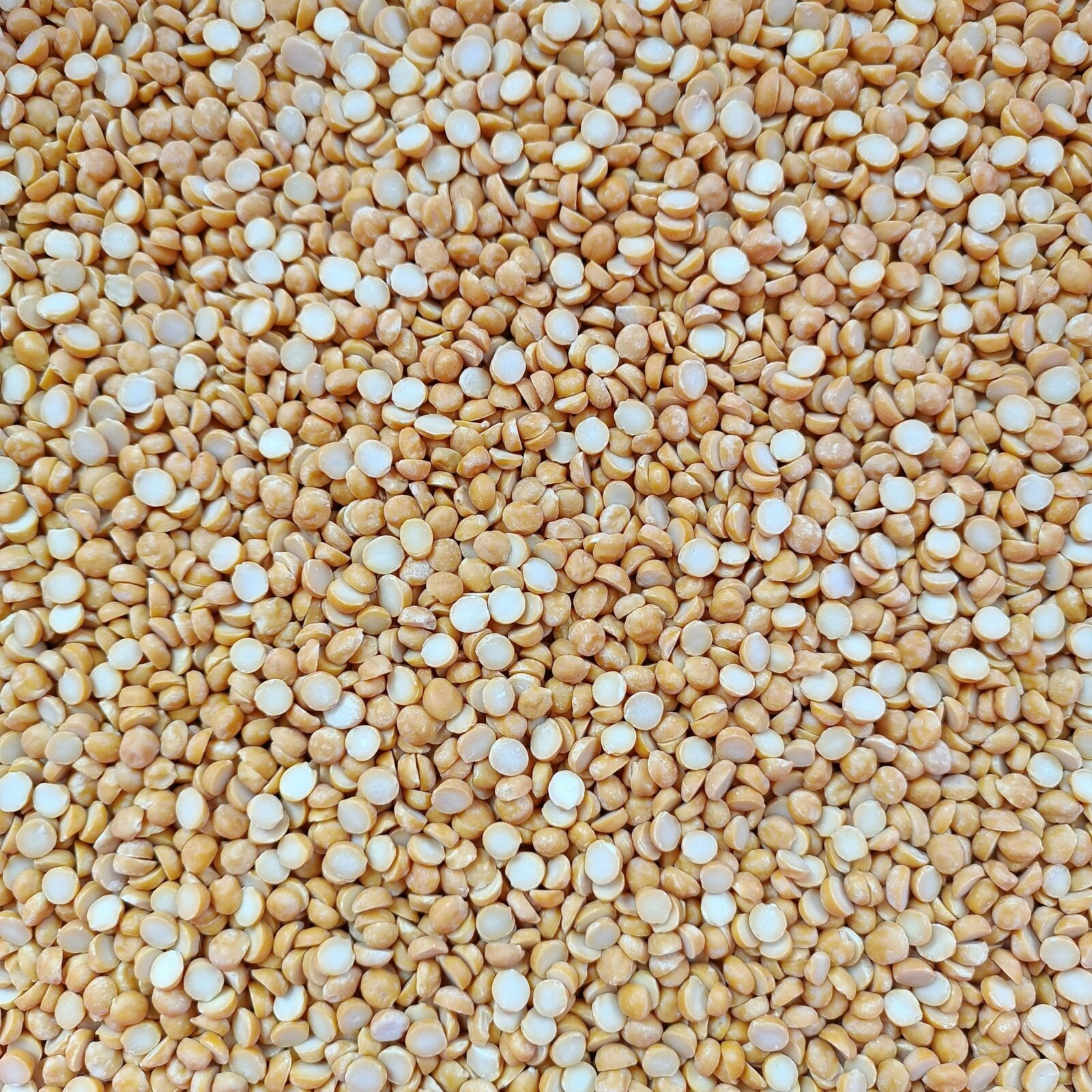
Grains of Resilience: Unveiling the craft Behind Rice Polishing
In the quiet corners of traditional rice mills, the art of rice polishing unfolds, blending craft with cultural significance. Each grain that passes through the polishing machine carries with it stories of meticulous effort and deep-rooted customs. Consider, as a notable example, an elderly rice polisher named Hiroshi, who has dedicated decades to perfecting his technique. His morning ritual begins before dawn, as he carefully selects the rice, inspecting each batch for blemishes and imperfections. To him, polishing rice is not merely a job; it’s a sacred duty. He recalls a moment when he realized that his grandfather had entrusted him with the family’s legacy. A simple choice of polishing method can dramatically affect the rice’s texture and flavor, leading him to a vital lesson: sometimes, the traditional ways yield richer rewards then the latest technology.
As the rice begins to gleam under Hiroshi’s expert touch, he encounters various challenges. One day, a new batch arrives with uneven husk remnants, pushing him to adapt his polishing method.His expectations where clear—a radiant, uniform finish that not only reflects quality but also appeals to customers hungry for authenticity. The results, though, were initially disappointing; the rice appeared dull and lacked the silky sheen he had hoped for.A quick brainstorming session with younger workers offered fresh perspectives, reminding Hiroshi that he, too, could learn from them. Eventually, through a blend of traditional techniques and modern insights, they achieved a remarkable transformation. This collaborative effort underscored a vital point: rice polishing is as much about community and learning as it is about the end product, revealing that each grain polished is a testament to resilience, adaptability, and shared wisdom.
through Dust and Tradition: Navigating the Challenges of a Time-Honored Trade
in the heart of the rice mill, as sunlight pours through dusty windows, the air is thick with the earthy scent of polished grains. Here, artisans wield their trade secrets, passed down through generations, yet facing the immutable challenges of modernization.Imagine Maria, a third-generation rice polisher, standing beside her grandfather’s old machine, the rhythmic thrum of its gears echoing a promise of quality. Yet, as she reflects on the fresh, vibrant bags labeled “organic” and “quick-cook” flooding the market, her heart feels a conflict. The machinery today is sleek and efficient, designed to meet the rising consumer demands for speed and consistency, but at what cost? Will the essence of their craft—the soul embedded in each glistening grain—be sacrificed at the altar of expediency?
As Maria navigates this crossroads, she is forced to confront an uneasy truth: the traditions taught by her grandfather don’t easily translate to the fast-paced world of today. On one occasion, a customer returned a shipment, citing uneven quality. Maria recalled her grandfather’s words: “Each grain tells a story; we must listen.” With this wisdom, she took a step back to reassess their polishing technique. After days of trial and error, they found a way to combine old methods with new technology, enhancing the flavor profile while maintaining the grain’s integrity. The shift not only resolved quality issues but also brought a renewed appreciation from clients, who began to recognize the unique character in their rice. The balancing act between heritage and innovation became their guiding ethos, teaching Maria that embracing change doesn’t mean discarding tradition; it means refining it to flourish in a world that is always evolving.
Reflections in Silken Rice: Personal Stories that Shape a Polisher’s Journey
Every grain of rice carries within it a story, one that reflects the dedication and craftsmanship of those who refine it. Take, as an example, the journey of Mr. Tanaka, a third-generation rice polisher in a rural village in Japan. He recalls his early days working alongside his father, standing before the polished wooden machinery that has been used in their family for decades.As a young boy, he often envisioned himself taking on this role, not fully aware of the responsibility that accompanied it. One day, with his father watching intently, he was given a small batch of rice to polish. Anxious to meet expectations, he hurried through the process, inadvertently leaving some grains dull and unblemished. His father gently reminded him, “Rushing only dims their shine.” This pivotal moment taught Mr. Tanaka about the importance of patience and precision,guiding him toward an appreciation for the art of polishing that went beyond mere technique. Now,he often shares this lesson with apprentices,emphasizing that the journey of a rice polisher is as much about self-finding as it is about mastering a craft.
The contrast between expectation and reality is often stark in this industry. For many, the idea of polishing rice seems straightforward—clean the grains, make them shine, and package them for sale. However, like the experience of Ms. Lin, a rice polisher from Thailand, the emotional and physical labor involved reveals a deeper commitment. initially drawn to the profession for its seeming simplicity, she soon encountered the challenge of achieving the perfect balance between preservation and enhancement. While she expected the process to be mechanical, it transformed into a meditative practice. A recent batch of old rice she polished exemplified this truth; despite its age and imperfections, it yielded a surprisingly rich flavor once polished correctly, much to her delight. This experience led her to realize that sometimes, what may appear flawed at first can reveal unusual qualities with the right care and attention. Such stories resonate through the community, propelling the next generation of polishers not only to refine rice but to refine their understanding of patience and potential.
Harvesting Wisdom: Lessons from a Generational Art in Rice polishing
The act of rice polishing is not merely a step in cooking; it is indeed an intricate dance that has been perfected through generations. Each grain undergoing transformation carries with it a story, infused with life lessons that resonate beyond the kitchen. As an example, consider a small family-run rice mill in a rural village. Here,the eldest son,Raj,learned the delicate art from his father. Initially, he was overwhelmed by the expectations. His father spoke of precision, patience, and an unyielding commitment to quality. Yet, as Raj engaged in the process, he discovered the rhythm of the polisher, the gentle caress of the grains as they polished against each other, removing the husk while preserving the essence. This subtle balance taught him that,much like life,success is about nurturing what is vital while letting go of what hampers growth.
In Raj’s journey, ther were moments of disillusionment, particularly after his first batch of polished rice emerged less than perfect. Instead of frustration, his father advised him to view mistakes as possibilities for growth. This insight became a guiding principle,shaping Raj into a craftsman. Key takeaways from their experiences in rice polishing included not only the technical aspects like understanding moisture content and the importance of time but also broader life lessons, such as:
- Patience leads to excellence: Each grain requires time to attain its best form.
- Embrace failure: each imperfect batch is a step towards mastery.
- Tradition matters: Passing down knowledge ensures the art of rice polishing endures.
As Raj honed his skills, the rice he polished began to gleam with a brilliance that attracted chefs from neighboring towns. The transformation was not solely in the grains he polished but also in the values he embodied, illustrating how the craft of rice polishing encapsulates the wisdom that transcends generations.
Final Thoughts
As we conclude our exploration of the intricate journey from grain to gleam, we find ourselves not just in the presence of a polished rice kernel but in the very heart of a tradition that has shaped countless cultures. The rice polisher, a humble yet vital figure in this age-old process, stands as a bridge between the earth and our dining tables, meticulously transforming raw grains into gleaming pearls that nourish body and spirit alike.
This rite of passage—steeped in history and infused with passion—reminds us of the deep connections we share with our food and the traditions that sustain us. Each shiny grain tells a story, echoing the hands that cultivated it, the fires that cooked it, and the families that gathered around it. In a world that often rushes forward, let us take a moment to honor the artistry and dedication that goes into each step of this journey, acknowledging that the journey from grain to gleam is not merely about food; it is about heritage, resilience, and the enduring bonds that weave our communities together.As you savor the next bowl of rice, consider the journey it undertook and the myriad of lives intertwined in its story. In doing so, we celebrate the timeless legacy of tradition and the everlasting beauty found in craftsmanship, reminding us to appreciate not just the meal before us, but the rich tapestry of culture and care that brings it to life.