
In a world where food security stands as a pressing challenge confronting millions, the humble grain of rice carries a weight greater than its kernel size might suggest. Pivotal to the diets of over half the global population, rice has long been a staple, yet its potential extends far beyond mere sustenance. As populations surge and climate change reshapes agricultural landscapes, innovative processing methods are emerging as a beacon of hope in rethinking how we cultivate, prepare, and consume this vital resource. This article delves into the transformative potential of these innovative techniques, exploring how they are poised to not only enhance the nutritional value of rice but also to bolster global food security in an era marked by uncertainty. Join us as we journey through the intersection of tradition and technology, charting a course toward a future where rice can fulfill its promise as a cornerstone of resilience and nourishment for all.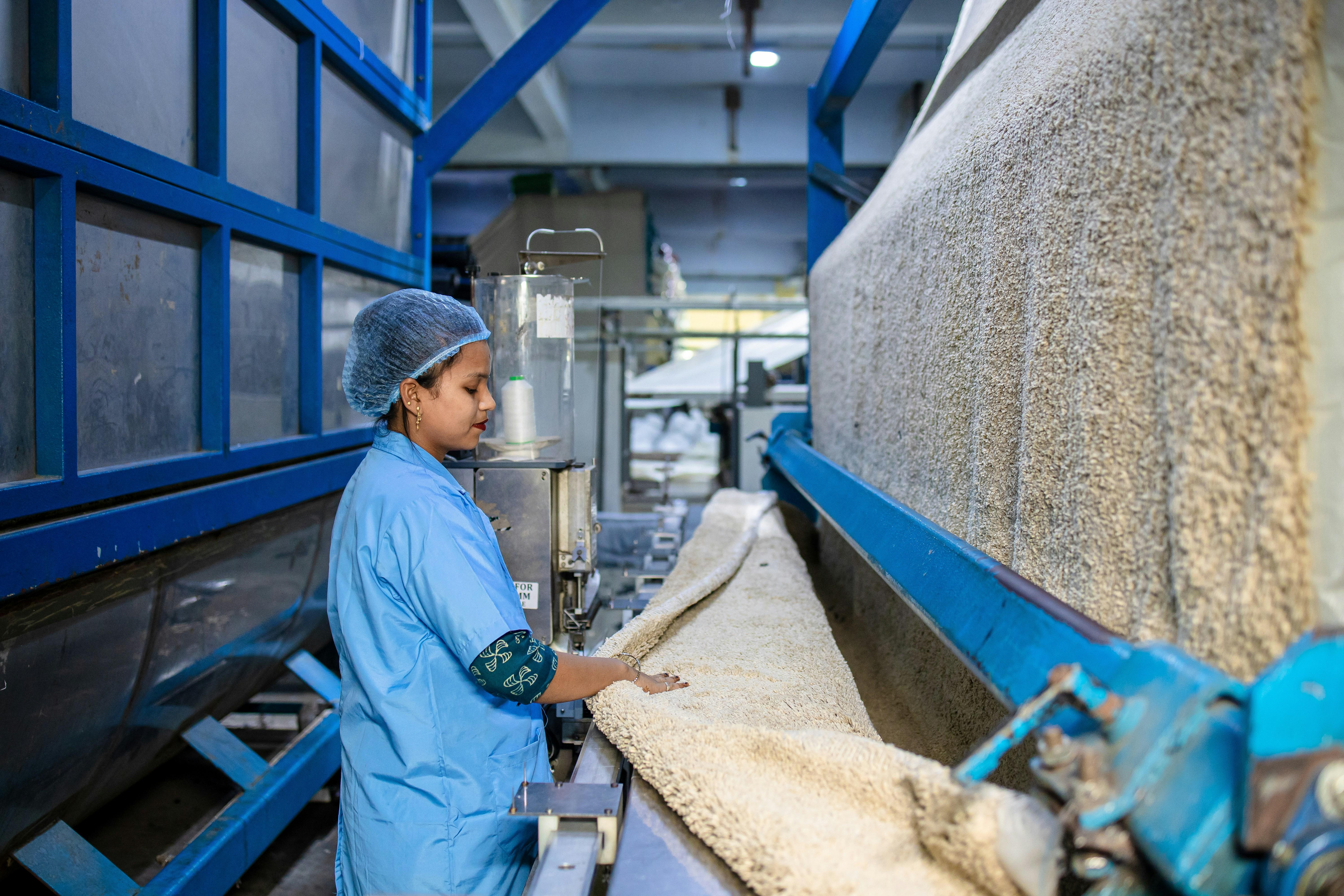
Revealing the Trade-offs: Balancing innovation and Tradition in Rice Processing
As the race for global food security accelerates, the rice processing industry stands at a pivotal crossroads, grappling with the dichotomy of innovation versus tradition. While traditional methods often ensure cultural integrity and local employment, they can be inefficient and less adaptable to modern demands. Conversely, innovative processing technologies, such as parboiling and high-efficiency milling, can enhance yield and nutrient retention but may jeopardize local practices and the socioeconomic fabric of rice-farming communities. The challenge is not merely about choosing one path over another; rather, it’s about discerning when to integrate novel techniques without eroding the essential qualities of traditional systems.
- Innovation Advancements: Techniques like solar drying and biofortification can significantly boost nutritional value.
- Economic Impact: Industrial-scale innovations may reduce costs but could displace smallholder farmers.
- Cultural Preservation: Maintaining heritage processes fosters community ties and local identity.
To navigate these trade-offs, a balanced approach is essential.Policymakers and stakeholders should openly collaborate with local farmers to tailor innovative practices that respect and enhance traditional methods rather than replace them. For instance, integrating community-based processing units with advanced technologies can create hybrid systems that improve productivity while ensuring local participation and benefit-sharing. Moreover, fostering education and skill advancement within communities regarding new technologies can empower farmers to make informed choices that align with both economic viability and cultural preservation. This nuanced strategy encourages a symbiotic relationship between innovation and tradition, ultimately leading to a more resilient and sustainable rice ecosystem.

Beyond the Hype: Dissecting Myths of High-Tech Rice Solutions for Food Security
Despite the excitement surrounding high-tech solutions like genetically modified organisms (GMOs) and advanced agricultural technologies, it is indeed crucial to demystify some prevailing myths that can skew our understanding of their role in food security.While proponents tout these innovations as panaceas for hunger and malnutrition, the reality is far more nuanced. For instance, the belief that GM rice varieties alone can solve complex food security issues overlooks socio-economic factors such as land access, local agricultural practices, and market dynamics. High-tech approaches may enhance yield, but they often come with trade-offs, including increased dependency on chemical inputs and potential loss of traditional knowledge. Ultimately,without a holistic strategy that encompasses community engagement and localized solutions,these innovations risk becoming mere band-aids instead of sustainable answers to food insecurity.
Moreover, the allure of high-tech rice solutions can inadvertently detract attention from equally important, yet underexplored, traditional methods and agroecological practices. Investing excessively in cutting-edge technologies can perpetuate a harmful myth: that food security requires a technological overhaul rather than a systems-based approach. This distinction matters as while technologies can provide temporary boosts, they do not guarantee resilience against environmental changes or socio-economic disruptions. Prioritizing sustainable practices that embrace biodiversity and local knowledge offers a more promising route to food security. Key considerations include:
- Integrating Traditional Practices: Leverage indigenous farming knowledge alongside modern techniques to create adaptive approaches tailored to local environments.
- Prioritizing Soil Health: Focus on regenerative practices to improve soil fertility and ecosystem balance, laying a foundation for long-term productivity.
- promoting Social Equity: Ensure access to resources and technologies benefits smallholder farmers to build resilient, self-reliant communities.
Balancing high-tech solutions with a thoughtful embrace of traditional methods may uncover the true potential of rice as a cornerstone for global food security.
Sustainability at a Cost: Unpacking the Environmental Footprint of Advanced Rice Processing
As the world grapples with the demands of food security, advanced rice processing methods, such as parboiling and pre-cooking, come with their own set of environmental considerations that warrant critical examination. While these techniques boost nutrition and decrease cooking times,they frequently enough involve significant water and energy use,exacerbating the already high environmental footprint of rice cultivation. For instance, parboiling might improve the nutritional profile by retaining essential vitamins, but the high-temperature steaming process consumes a staggering amount of energy – sometimes exceeding 20% of the total energy used in rice production. This presents a paradox where the advancement in processing aligns with sustainability goals but fails to account for the immediate resources consumed.
To navigate these complexities, it’s imperative to weigh the trade-offs of implementing innovative processing methods against their environmental costs. Stakeholders in the agricultural sector should consider choice processing technologies that emphasize sustainability without sacrificing efficiency. For example, low-energy pre-cooking methods or solar drying techniques could mitigate the high energy demands associated with traditional methods. Additionally, investment in renewable energy sources for processing facilities could drastically diminish their carbon footprint. Here’s a comparison of the impacts of traditional vs. innovative methods:
| Processing Method | Water Use | Energy Consumption | Nutritional Retention |
|---|---|---|---|
| Traditional Parboiling | High | Very High | Moderate |
| Low-Energy Pre-Cooking | Moderate | Low | High |
By measuring these parameters, we can advocate for innovations that truly align with a sustainable future—where advanced processing methods can coexist with responsible environmental stewardship.The challenge lies not just in how rice is processed but in redefining success metrics to include sustainability indicators alongside profitability, ensuring that efforts to enhance global food security do not come at the cost of ecological integrity.
The local vs. Global Dilemma: navigating Rice Processing Innovations in Diverse Economies
The interplay between local practices and global technologies presents both opportunities and challenges in rice processing. While there is a pervasive assumption that adopting high-tech solutions universally will automatically enhance food security, this view oversimplifies the complexities inherent in diverse economies. Local contexts—ranging from traditional cultivation methods to specific dietary needs—often dictate what innovations are feasible or desirable. For instance, communities relying on labour-intensive processes may find that introducing advanced mechanization not only displaces workers but also erodes cultural practices tied to rice production. Thus,it is essential to assess the locally significant benefits of innovative methods against the backdrop of socio-economic realities.
Moreover, the push for global standardization of processing techniques can lead to a dichotomy between efficiency and equity.While large-scale processors may harness precision technologies for higher yield and reduced waste, smaller entities often cannot compete, thus exacerbating inequalities. A nuanced approach is required; stakeholders should explore hybrid models that blend local knowledge and advanced practices. This could include training programs that teach smallholder farmers to implement low-cost innovations,such as solar drying techniques or simple water-purification methods,which cater to regional limitations. Here are vital trade-offs worth considering:
- Scalability vs. Sustainability: while scalable technologies can increase output, they must be evaluated for long-term environmental impacts.
- Cost vs. Accessibility: Innovations should be affordable for smallholders; otherwise, they risk widening the food security gap.
- Efficiency vs. Tradition: Balancing modern techniques with traditional practices can foster resilience in local food systems.
By reframing the dialog around local versus global innovations, we can align technological advancements more closely with the realities and aspirations of diverse economies, ultimately contributing to a more equitable food system.
Closing Remarks
As we stand at the crossroads of a global food crisis, the quest for sustainable solutions has never been more urgent. The reimagining of rice—once a simple staple—through innovative processing methods opens a door to a more secure future. By harnessing technology and creativity, we can redefine not only how we grow, harvest, and package this essential grain but also how it nourishes communities worldwide.
In this age of rapid change, the challenge lies not just in feeding a growing population but in doing so with resilience, equity, and environmental mindfulness.As researchers,farmers,and entrepreneurs collaborate,they pave the way for a new chapter in agriculture that prioritizes nutrition,sustainability,and innovation.
Ultimately, the conversion of rice processing could serve as a blueprint for other crops, catalyzing a ripple effect throughout our food systems.If we are willing to rethink and re-engineer our approaches, the future holds the promise of food security that nourishes both peopel and our planet. Together, let us cultivate a world where every grain counts toward a more sustainable tomorrow.



