From grain to Greatness: Teh Journey Through a Rice Mill
As the sun casts its first golden rays over fertile fields, a humble hero emerges from the earth—rice, a staple that has nourished civilizations for centuries. But what lies behind the simple grain that graces our tables? To truly appreciate this culinary staple, one must embark on a journey through the intricate world of rice milling. This voyage, often unnoticed by casual onlookers, reveals a captivating conversion where raw, unpolished grains evolve into the glossy, aromatic rice we all know adn love. Join us as we delve into the meticulous processes, the innovative machinery, and the dedicated hands that breathe life into this ancient crop, exploring how each step in the rice mill not only preserves but elevates the very essence of the grain. Welcome to a story of cultivation, craftsmanship, and the pursuit of greatness, all starting from a single seed.
The Lifecycle of Rice: Understanding the Path from Field to Mill
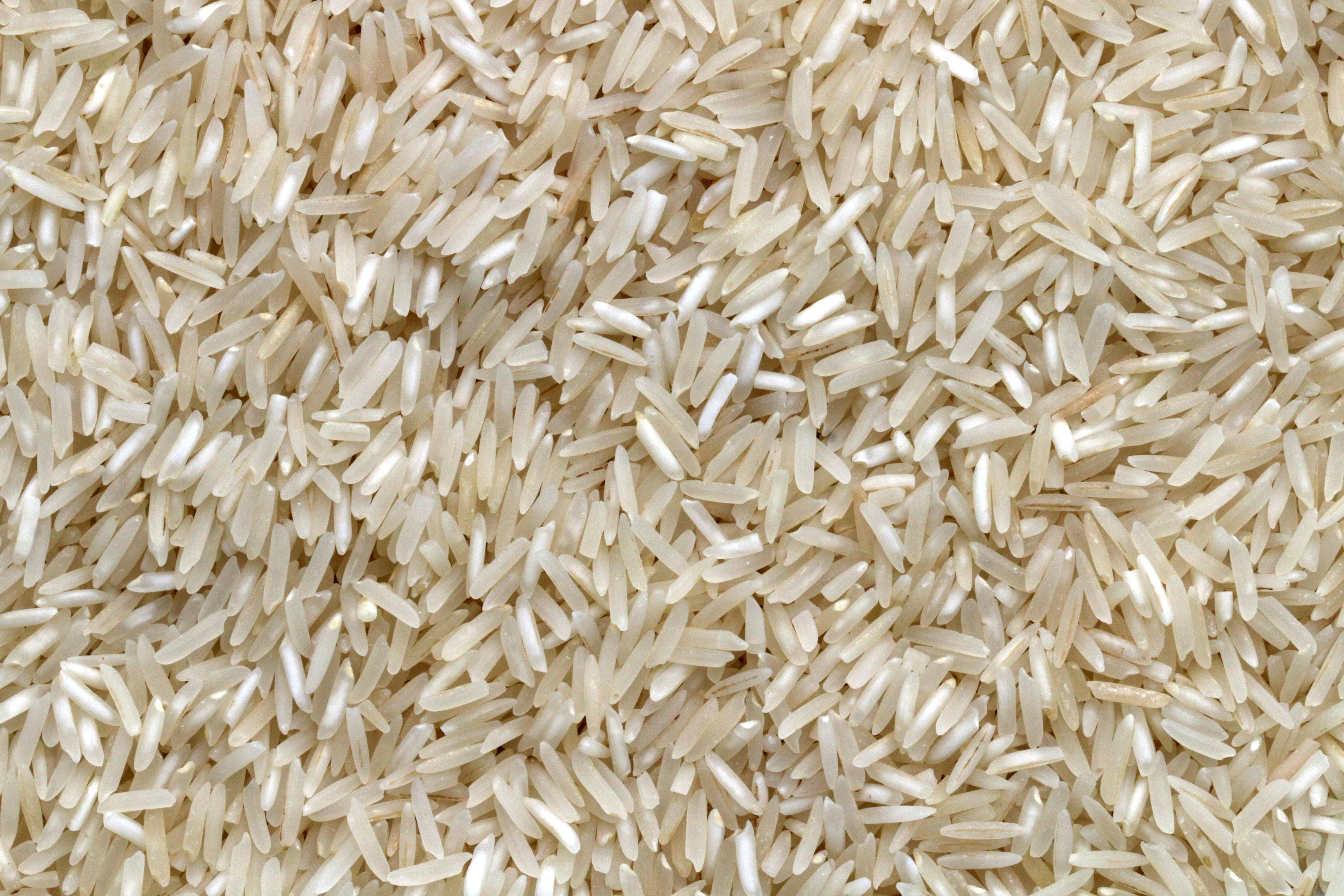
The journey of rice begins in lush, green fields where seedlings reach for the sun, soaking in the rich nutrients from the soil. as the rice plants grow, they are nurtured by water—often flooded in paddies—creating a unique ecosystem that promotes biodiversity. The process culminates in the golden ripening of rice grains, which are then ready for harvest. farmers invest their labor and knowledge, knowing that careful timing is crucial. A well-timed harvest ensures that the grains reach peak maturity, rich in flavor and nutrition.
Once harvested, the transformation of rice into a consumable product starts at the mill. Here, the grains undergo several stages of processing, including drying, hulling, and polishing. Each step is vital to produce quality rice that meets customer preferences. The milling process typically includes:
- Drying – Reducing moisture content to preserve longevity
- Hulling – Removing the outer husk
- Polishing - Giving the grains a shiny appearance
This meticulous approach not only enhances the grain’s texture and quality but also influences its final culinary attributes.in a typical rice mill, the duration and parameters of each process are monitored closely to ensure consistency, fostering a relationship between the grain and its end-user. Thus,from the vibrant fields to the milling machines,each stage carries its significance in the lifecycle of rice.

inside the mill: Technology and Techniques Transforming Raw Grain
the transformation of raw grain into rice is a symphony of innovative technology and time-honored techniques that work in harmony to create culinary staples. Modern rice mills are equipped with state-of-the-art machinery that significantly enhances efficiency and precision. This machinery often includes:
- Pre-cleaners - remove larger impurities before the milling process.
- Hullers – dehusk the rice grains, ensuring a higher yield of usable product.
- Milling machines – polish the rice to achieve the desired texture and appearance.
- Sorters - utilize advanced optical systems to eliminate discolored or defective grains.
Each step in the milling process reflects a careful balance between tradition and technology. The incorporation of sensor technology allows millers to monitor moisture levels, ensuring that the rice is neither over-dried nor too moist, which could compromise quality. Furthermore, automation aids in maintaining consistent production flow, which minimizes waste and maximizes output. The table below illustrates the critical phases in the milling process along with their respective technologies:
| Process Phase | Technology used |
|---|---|
| Cleaning | Vibrating Screens & Air Chargers |
| Hulling | Rubber-roll Huller |
| Milling | Engelberg Mill |
| Polishing | Vertical Rice Polisher |
| Sorting | Optical Sorters |
Quality Control: Ensuring excellence at Every Step of the Process
In the intricate journey from grain to greatness,quality control stands as a steadfast guardian,meticulously monitoring every phase of the rice milling process. With a watchful eye, quality assurance teams implement rigorous standards to ensure that only the finest grains emerge from the mill. This involves a series of systematic evaluations that incorporate both physical and sensory attributes. Key quality checks include:
- Visual inspections: Assessing for color uniformity and the absence of defects.
- Moisture analysis: Ensuring the optimal moisture content to enhance shelf life.
- Grain size measurement: Categorizing grains to maintain consistency in final products.
- Taste testing: Regular sampling to ensure flavor integrity.
To further amplify the pursuit of excellence, rice mills often utilize advanced technology in their quality control processes. Automated machinery equipped with sensors and AI not only streamlines inspections but also decreases the margin of human error. This fusion of tradition and innovation helps to achieve a desirable product that meets market demands. Key statistics are captured and analyzed, allowing for data-driven decisions that continually refine the operation. The following table summarizes essential quality metrics monitored during the milling process:
| Quality Metric | Acceptable Range | Monitoring Frequency |
|---|---|---|
| Moisture Content | 12-14% | Every batch |
| Broken Grain Ratio | Max 5% | Daily |
| Color Quality | Uniformity Index > 90% | Weekly |
| Taste Profile | Pass/Fail | Monthly |
Sustainable Practices: Navigating Environmental Impact in rice Milling
In the world of rice milling, the journey from paddies to plate doesn’t just involve a transformation of grains, but also a significant consideration of our planet’s well-being.Embracing sustainable practices within rice milling operations is crucial to mitigate the adverse effects water usage, energy consumption, and waste generation can have on the habitat. By implementing strategies such as water recycling systems, energy-efficient machinery, and organic waste management, rice mills have the opportunity to enhance their productivity while treading lightly on the Earth’s resources.
Among the impactful methods adopted in modern rice milling, the following stand out for their effectiveness:
- Water Management: Utilizing closed-loop systems to minimize water wastage during the milling process.
- Renewable Energy: Transitioning to solar or biogas energy sources to power milling operations.
- Waste Utilization: Transforming rice husks and by-products into biofuel or compost to promote circular economy practices.
| Practice | Environmental Benefit |
|---|---|
| Water Recycling | Reduces freshwater consumption |
| Energy efficiency | Minimizes carbon footprint |
| Organic Waste Management | Supports soil health and biodiversity |
In Summary
As we draw the curtains on our exploration of the fascinating journey from grain to greatness within the heart of a rice mill, it becomes clear that this process is more than just the transformation of raw grains into our daily staple.It is indeed a harmonious blend of tradition and innovation, of nature’s bounty meeting human ingenuity. Each step, from the husking and milling to the final packaging, is an intricate dance that honors the labor of countless farmers and mill workers, ensuring that quality and sustainability are woven into every grain.
In contemplating the evolution of rice milling, we are reminded of the story behind every grain that graces our tables. It’s a reminder that such ordinary elements of our diets are steeped in history, culture, and dedication. As we look to the future, our understanding of these processes can inspire greater appreciation for the origins of our food and the efforts that go into producing it.
So, as you savor your next bowl of rice, remember the journey it has taken—from husk to kitchen—and let it inspire you to explore further the stories hidden within the grains of our everyday lives. greatness is not merely the outcome of a process, but the party of the journey itself.