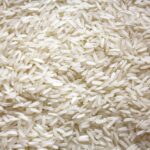
In the heart of agricultural production, the paddy processing plant stands as a crucial node, transforming harvested rice into the versatile staple that feeds billions worldwide. As global demands for rice continue to climb,the pressure on these facilities to enhance efficiency and yield has never been more pressing.in this article, we delve into the intricate world of paddy processing plants, exploring the technical specifications that underpin their operations, the nuanced flow of processing stages, and the performance metrics essential for maximizing output. By examining these elements in collaboration, we uncover pathways to optimize efficiency, ensuring that each grain is processed with precision and care, paving the way for higher yields and lasting practices in the rice industry. join us as we navigate the complexities of paddy processing,where engineering meets agriculture in the quest for excellence.
Revolutionizing Paddy Processing: Integrating Advanced Engineering Practices for Enhanced Productivity
To revolutionize paddy processing, integrating advanced engineering practices is essential for maximizing productivity and ensuring quality. Key mechanisms that can be implemented include the adoption of automated milling systems, such as the use of pneumatic rice polishers and compact starch extraction units. These systems enhance efficiency by reducing human intervention, minimizing grain breakage, and improving the overall quality of the processed rice. The technical specifications for these units frequently enough focus on features such as variable speed control, which allows for adjustments according to grain type and condition, and integrated sensors that monitor moisture content throughout processing to ensure optimal conditions. Additionally, heavy-duty air-flow separators can be employed to efficiently separate husks and impurities, improving the purity of the output while maintaining energy efficiency.
When analyzing performance metrics, it is crucial to establish clear criteria, such as yield percentage, energy consumption rates, and operational downtime.As an example, comparing conventional batch processing methods to continuous flow systems, one might find that continuous systems yield up to 30% more processed rice per hour while simultaneously reducing energy costs by up to 20%. Limitations of current technologies, including susceptibility to equipment wear and tear due to high throughput, must also be taken into account. Regular maintenance schedules and the integration of predictive analytics can mitigate downtime and enhance overall plant performance. Moreover, by employing advanced automation and data analytics to monitor machine health and production metrics, processing plants can not only achieve consistent quality but also improve their response to variations in paddy characteristics, ultimately driving enhanced productivity.

Evaluating the Impact of Material Selection and Equipment Design on Paddy Processing Efficiency
In paddy processing, the choice of materials used in equipment construction and the design of machinery substantially influence efficiency and yield. The primary mechanisms affecting this efficiency include the interaction between huskers, separators, and polishers, all of which must operate seamlessly. As a notable example, the utilization of stainless steel in parts exposed to abrasion and moisture can enhance longevity and decrease maintenance costs. Additionally, applying coatings like Teflon on surfaces that come into contact with grains can facilitate smoother operation and reduce friction losses. this results in less energy consumption, which is crucial for optimizing the overall processing output.
When evaluating equipment design, several criteria must be considered to ensure maximum performance in paddy processing:
- Feed rate: Equipment must be designed to accommodate the expected throughput without bottlenecks.
- Energy Efficiency: Compare traditional mechanical systems to modern electric or pneumatic systems for their energy consumption metrics.
- Separation Efficiency: Implement designs that maximize the yield by minimizing broken kernels; as a notable example, a rubber roll husker may achieve better results than a steel roll due to its gentler handling.
- Maintenance Accessibility: Equipment that allows easy access for maintenance can drastically reduce downtime.
However, limitations such as initial capital costs for high-quality materials and advanced technologies must be carefully weighed against long-term operational savings and productivity gains. A comparative analysis of output efficiency across different equipment designs, vis-à-vis overall processing time and energy consumption, can reveal insights into optimal configurations.
Decoding Process Flow Dynamics: Unraveling Key Metrics for Optimal Yield in Rice Milling Operations
The decoding of process flow dynamics in rice milling operations involves a rigorous analysis of various metrics that determine optimal yield. Critical to this is the understanding of key parameters such as hulling efficiency, milling recovery, and broken rice percentage. Each of these metrics is essential for assessing the overall performance of paddy processing plants. for instance, hulling efficiency can be influenced by factors such as the type of milling machine, shelling mechanism, and grain moisture content. A comparative evaluation of different hulling machines, such as rubber roll hullers versus steel hullers, typically reveals that rubber roll hullers yield higher efficiencies due to their gentler approach, reducing kernel damage while improving output quality.
Another crucial aspect is the milling recovery rate, which ideally should exceed 68% in optimized plants.To achieve this, process parameters must be closely monitored, including the temperature during milling and discharge rates from the machines. A high grain-to-grain friction can lead to an increased percentage of broken kernels.Table 1 below summarizes some of the primary performance factors affecting rice milling efficiency:
| Performance Factor | Impact on Yield |
|---|---|
| Moisture Content | Affects hulling efficiency and kernel integrity |
| Machine Calibration | ensures optimal adjustments for reduced breakage |
| Habitat Control | Maintains grain quality post-milling |
Limitations often arise due to variations in paddy quality and external environmental factors, making it imperative to establish a robust monitoring system. Employing real-time analytics can facilitate prompt adjustments to the milling process, further mitigating yield losses linked to machine downtime or excessive kernel breakage. By meticulously tracking these metrics and integrating feedback loops, milling operations can fine-tune performance, ensuring a steady increase in yield and overall operational efficiency.
Navigating Limitations in Paddy Processing: Comparative Analysis of Performance Standards and Quality Outcomes
Navigating the limitations in paddy processing involves understanding the intricate interplay between performance standards and quality outcomes. To optimize processing efficiency, it’s essential to define and measure specific performance metrics that can be aligned with desired quality parameters. Commonly utilized performance metrics in paddy processing include:
- Mill Recovery Rate (MRR): Refers to the ratio of the quantity of white rice produced to the total amount of paddy input. Typical mill recovery rates range from 60% to 70% depending on the technology employed.
- Grain Broken Ratio (GBR): This metric highlights the proportion of broken grains post-processing, with lower values indicative of better quality control. A GBR of less than 5% is often targeted in high-quality processing plants.
- Heat and Moisture Control: Monitoring the moisture content is essential, with optimal levels ranging between 14% – 15% to prevent spoilage and ensure the longevity of stored rice.
By conducting comparative analyses of these metrics across different processing facilities, one can identify prevalent limitations such as inadequate machine calibration, poor separation techniques during milling, or ineffective drying processes, which cumulatively impact the overall yield and quality.
Furthermore, the selection of processing technology plays a pivotal role in determining both performance standards and quality outcomes. As an example, traditional mill systems generally exhibit lower MRR and higher GBR, in contrast to modern integrated milling systems equipped with high-efficiency milling units and advanced sorting technologies like optical sorters. Here’s a brief comparison of technology efficiencies:
| Technology Type | Mill Recovery Rate (%) | Grain Broken Ratio (%) | Moisture Control Capability |
|---|---|---|---|
| Traditional Mill | 60 – 65 | 5 – 10 | Manual Monitoring |
| Modern Integrated Mill | 65 – 75 | 2 – 5 | Automated Sensors |
This indicates that while traditional mills may have lower capital costs, their inefficiencies in processing can result in diminished quality outcomes and overall profitability. Adopting modern technologies, despite higher initial investments, is crucial for meeting market standards and consumer expectations. By systematically analyzing these performance factors alongside relevant limitations, paddy processing plants can develop strategic interventions to elevate both yield and quality.
In Conclusion
As we conclude our exploration into optimizing efficiency in paddy processing plants, it’s evident that a multifaceted approach is crucial for enhancing yields and improving overall performance. By diligently examining technical specifications, streamlining process flow, and implementing robust performance metrics, stakeholders can unlock the full potential of their operations.Embracing these strategies not only leads to more productive practices but also fortifies the industry against the challenges of evolving demands and environmental considerations. The journey toward optimization is continuous, requiring a commitment to innovation and adaptation.
In the ever-changing landscape of agricultural processing, staying informed and proactive will allow paddy producers to thrive, ensuring that quality grain reaches consumers while maximizing resource efficiency. As we look to the future, let the insights gained from this analysis serve as a foundation for further advancements in paddy processing, paving the way for a more sustainable and prosperous agricultural sector. Thank you for joining us in this exploration—may your endeavors in paddy processing not only yield fruit but also inspire others in the field.