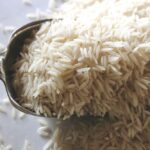
In the world of rice production, every grain counts. the journey from paddy to polished rice is a nuanced process, where efficiency can make all the difference between a triumphant operation and a missed opportunity. As markets grow increasingly competitive, rice millers are tasked with not only meeting the demand for quality but also optimizing their processes to maximize output and minimize waste. This article serves as your comprehensive guide to navigating the complexities of selecting, setting up, and operating a rice milling unit. Whether you’re a seasoned miller looking to upgrade your equipment or a newcomer aiming to establish your frist unit, we’ll explore the critical factors to consider, best practices for setup, and key operational strategies that can enhance your productivity. Join us as we delve into the art and science of rice milling, where efficiency is not merely an ideal, but a crucial element of success.
Navigating the Selection Maze: Key Criteria for Choosing Your Rice Milling Unit
When navigating the selection maze for your rice milling unit, start by identifying the key criteria that align with your operational goals. Focus on the following practical aspects:
- Capacity Needs: Analyze your production requirements. For instance, if your goal is to mill 5 tons of rice per hour, ensure the equipment can handle this comfortably with some margin for peak times.
- energy Efficiency: Look for units that are designed to consume less power. Investing in technology like high-efficiency motors can save up to 30% on energy costs.
- Maintenance Requirements: Consider how easy it is to service the machine. Some models have modular components that can be replaced quickly, reducing downtime.
Next, scrutinize supplier credibility and support services. Evaluate warranty terms and availability of spare parts.reliable suppliers often provide extensive support, which can be a lifesaver when issues arise.Additionally, check user reviews and case studies specific to the models you are considering, as they can reveal common pitfalls. A local seller might offer better after-sales service than a distant manufacturer, even if the initial cost is slightly higher. think about scalability; if you plan to expand production in the future, invest in a unit that allows easy upgrades or add-ons, ensuring long-term viability without needing a complete overhaul.

From Setup to Success: Essential Steps for Optimal Operation of Your Milling Equipment
To maximize the operational efficiency of your milling equipment, it is imperative to follow essential steps from setup through to daily operations. Begin by ensuring that you have the correct setup in place. This includes verifying that the milling machines are level, as an uneven foundation can lead to vibrations and suboptimal performance. Regularly check the alignment of rollers and blades; misalignment can cause excessive wear and tear and affect grain quality. Here are key points to consider during setup:
- Foundation: use concrete bases with a flat surface to support heavy machinery.
- Electrical connections: Ensure all wiring meets safety regulations to prevent electrical failures.
- Ventilation: Install adequate air circulation systems to cool machinery and remove debris.
Once setup is complete, establish a routine maintenance schedule to avoid common pitfalls such as overheating and clogging. Regularly inspect filters and clean them to maintain airflow; clogged filters can significantly reduce efficiency. Additionally, calibrate your equipment regularly to ensure precise milling of rice grain. Investing in sensors for moisture levels and grain quality checks can prevent processing mishaps. Here’s a checklist that could enhance your operational workflow:
| Task | Frequency | Outcome |
|---|---|---|
| Inspect electrical connections | Weekly | Prevent short circuits |
| Clean filters | Bi-weekly | ensure optimal airflow |
| Calibrate machinery settings | Monthly | Enhance milling precision |
Common Pitfalls in Rice Milling: Lessons Learned and How to Avoid Them
In rice milling, several common pitfalls can derail efficiency and affect the overall quality of the end product. To mitigate risks, conduct thorough machine inspections and implement regular maintenance schedules. Check for wear and tear on components like hullers and polishers as these can lead to inconsistent milling results.Additionally, monitor the moisture content of the rice before milling; ideally, it should be between 14% and 18%. High moisture can cause clumping and poor milling performance, while low moisture can lead to higher breakage rates. Here’s a checklist of key components to review before milling:
- Huller settings: ensure they are calibrated correctly for the grain variety.
- Blower operation: Verify that the air flow is adequate for removing husks.
- Polishing time: optimize this to avoid excessive grain loss.
- Separator adjustments: Test these to maximize yield and minimize broken grains.
Another crucial area to focus on is staff training. Frequently enough, inefficiencies arise not from the machinery but from improper handling and operational practices.Implement a structured training program for your team, emphasizing techniques to enhance throughput and reduce waste. Such as, if a mill operator fails to keep an eye on the fine-tuning of the milling parameters, such as speed and pressure settings, the result can be a poor-quality product. Invest in short, hands-on workshops that cover specific operational skills. below is a sample training agenda that could help elevate operational standards:
| Session | Focus Area |
|---|---|
| 1 | Machine Operation Basics |
| 2 | Maintaining Quality Control |
| 3 | Preventive Maintenance Techniques |
| 4 | Handling and Storing Milled Rice |
Tailoring Efficiency: Best Practices for Maximizing Output in Your Rice Processing Facility
To truly maximize output in your rice processing facility, implementing best practices that enhance efficiency is crucial.Begin by routinely monitoring your machinery for wear and tear, as this is a common pitfall that can lead to unexpected downtime. create a detailed maintenance schedule that includes:
- Daily lubrication checks
- Weekly inspections for alignment and wear on parts
- Monthly cleaning of grain handling equipment
- Quarterly calibration of milling machines
Additionally, invest in process automation where possible. Systems like automated weight and moisture sensors can significantly reduce human error in input materials. Suppose a milling operation processes 1000 kg of rice daily; accurate moisture management alone can yield productivity improvements of up to 15%. For best results, ensure your team is well-trained on both the operational and maintenance aspects of automated systems. Moreover, regularly evaluate your milling speeds and rice flow rates; a slight adjustment in these parameters can lead to maximized efficiency without sacrificing output quality. Always analyze feedback from your production team about bottlenecks or equipment simplifications to stay ahead of potential issues.
The Way Forward
As we draw the curtain on our exploration of rice milling unit efficiency, it’s clear that success in this industry hinges upon informed decision-making and meticulous planning. From selecting the right equipment to expertly setting it up, each step plays a crucial role in creating a seamless operational workflow. By implementing the strategies outlined in this guide, you are not merely optimizing a process; you are investing in the future of your rice milling operation.
as you venture forward, remember that efficiency is an ongoing pursuit. The landscape of agricultural technology and market demands constantly shifts, and your ability to adapt will be paramount. Embrace innovation, seek further knowledge, and engage with your community of millers for shared insights and experiences.
the journey to maximizing efficiency is not just about the mechanics of a milling unit; it’s about cultivating a mindset of continuous advancement and dedication to quality. Armed with this comprehensive guide, you are equipped to transform challenges into opportunities, ensuring that your rice milling unit not only flourishes but stands as a testament to your hard work and foresight. Here’s to your success in the world of rice milling—may it be as bountiful as the harvest itself.