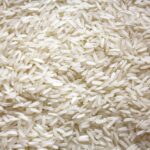
in the ever-evolving landscape of agricultural production,the significance of paddy processing units cannot be understated. As the backbone of rice supply chains, these facilities play a crucial role in transforming raw paddy into a market-ready product, influencing both food security and economic stability. however, with advancements in technology and shifting market demands, the efficiency and specifications of these processing units have come under scrutiny. This article embarks on a complete analysis of modern paddy processing techniques, diving deep into the intricate balance between innovation and performance metrics. By evaluating various processing methods and their outcomes, we aim to illuminate the pathways through which paddy processing units adapt to contemporary challenges, while also highlighting best practices that define success in the industry. Join us as we unravel the complexities of this pivotal sector, providing insights that resonate with stakeholders from farmers to food distributors.
Innovative Engineering Approaches in the Design of Contemporary Paddy Processing Facilities
focus on enhancing operational efficiency, product quality, and sustainability. As an example, incorporation of IoT (internet of Things) technology allows real-time monitoring of various parameters such as moisture content, temperature, and energy consumption throughout the processing stages. This data-driven insight can led to optimizing drying processes and reducing grain losses. Facilities now employ modular designs, which enable easy scalability and customization based on production needs. Additionally, the use of automated optical sorting systems enhances the quality control aspect, ensuring only the highest quality grains are shipped. A typical modern facility might include sections for soaking, steaming, drying, and milling, with integrated machinery that utilizes vibration-based rice milling technology to minimize breakage rates.
Performance metrics are crucial in evaluating these innovative designs, frequently enough focusing on several key factors: throughput, energy efficiency, and yield quality.Such as, a high-capacity processing unit may efficiently process 5 tons/hour while maintaining an energy consumption rate of approximately 50 kWh/ton, achieving an remarkable yield with minimal spoilage. Still, some limitations exist, particularly regarding initial capital costs and the requirement for skilled labor to manage advanced machinery.The engineering specifications for these facilities frequently enough include precise tolerances, such as maintaining moisture levels between 12-14% for optimal storage. Comparative analyses show that contemporary systems can achieve up to 90% milling efficiency, considerably outperforming traditional methods that frequently enough peak around 60-70%. Therefore,the ongoing evolution of these technologies continues to shape the landscape of paddy processing,emphasizing both productivity and sustainability.

Assessing Material Optimization and Its Impact on Efficiency in Rice Milling Operations
Optimizing materials in rice milling operations is crucial to achieving high efficiency and quality outputs. The primary evaluation of material optimization can be framed through several key mechanisms:
- Selection of Milling Equipment: Modern milling units use various machines—such as rubber roll hullers or friction-type hullers—that require specific types of rice varieties for optimal performance. for instance, the milling efficiency of long-grain rice can drastically differ from that of short-grain rice due to variations in hardness and moisture content.
- Material Handling Systems: Efficient material handling systems, including transport conveyors and bucket elevators, must be calibrated for both the grain’s characteristics and the processing speed. Selecting durable materials that resist abrasion can significantly reduce maintenance costs and downtime.
Another critical aspect is the definition and adherence to optimized performance metrics, which depend on the established criteria for success:
| Criteria | Goal | Impact on Efficiency |
|---|---|---|
| Milling Yield | >70% | Higher yield reduces cost per kilogram |
| Breakage Rate | <5% | Lower breakage enhances market value |
| Energy Consumption | <0.5 kWh/kg | Reduced energy costs improve overall profitability |
These performance factors provide a framework for assessing improvements in operational efficiency while revealing potential limitations, such as changes in paddy varieties or unexpected equipment failures that can impact overall processing effectiveness. Continuous evaluation of these criteria combined with adoption of advanced technologies, like automated grain sorting and moisture measurement systems, plays a pivotal role in achieving optimal material utilization.
Comparative Analysis of Processing Techniques: Unveiling Performance Disparities in Modern Paddy units
The efficiency of modern paddy processing units hinges on the comparative analysis of various processing techniques, each with distinct mechanisms and specifications. Major processing methodologies, such as traditional milling, modern automated milling, and parboiling techniques, can diverge considerably in terms of performance. For instance, traditional milling often relies on mechanical hulling that tends to result in higher grain breakage percentages (commonly exceeding 20%). In contrast, modern automated milling processes incorporate sensor-based feeders and precision control systems, which optimize the yield and minimize damage. The choice of milling technique also affects key performance metrics, including throughput capacity, energy consumption, and operational costs.
When evaluating these methodologies, several criteria emerge as critical factors influencing processing efficacy.Key performance indicators (KPIs) may include:
- Output Quality: Measured by broken rice percentage and hull removal efficiency.
- Energy Efficiency: Consumed kWh per ton of milled rice, highlighting operational expenses.
- Throughput Rate: Amount processed per hour, with modern units achieving rates up to 2 tons/hour, compared to older systems averaging 0.5 tons/hour.
- Automation Level: Degree of human intervention required during the milling process.
However,these advanced systems may encounter limitations such as higher initial investment costs and maintenance complexity. For example, while automated mills can achieve superior quality with minimal breakage (<5%), uneven grain sizes during processing can lead to efficiency losses. Conversely, parboiling methods, although labor-intensive, yield a higher nutritional quality in rice and improved storability but may dampen processing speed. The thorough comparative analysis of these processing techniques elucidates significant performance disparities that warrant careful consideration when selecting machinery for modern paddy processing.
Quality Control Metrics and Their Influence on technology Selection for Paddy Processing Systems
Quality control metrics play a pivotal role in the selection of technology for paddy processing systems as they directly impact efficiency, yield, and product quality. Common quality control metrics include head rice yield (HRY), broken rice percentage (BRP), and grain color. HRY indicates the proportion of whole grains post-milling, were an optimal HRY of 60% or higher is typically targeted for premium quality. Conversely, a high BRP signifies poor milling performance; a threshold of 5% is often acceptable, while modern systems strive for lower percentages to enhance product quality. Grading systems often employ color spectrophotometry to ensure consistency in rice appearance, which is vital for market acceptance.
When selecting paddy processing technology,processors must also consider the mechanisms of each system,including dehusking,milling,and polishing. For instance, a rubber-roll dehusker generally offers higher HRY than traditional stone dehuskers but may produce more broken grains, which implicates the need to balance the choice of dehusking technology against the desired quality outcome. The efficiency of these systems can be quantitatively compared through performance factors such as energy consumption per tonne, throughput rate, and machine maintenance frequency, all of which should be documented in comprehensive technical specifications.A comparative analysis might reveal that a state-of-the-art digital paddy processing unit can yield 70% HRY while operating with a lower energy profile, indicating more advanced mechanisms are in play that potentially justify their higher capital costs.
To Conclude
as we conclude our exploration of modern paddy processing units, it becomes evident that the intricate dance of technology, efficiency, and sustainability lies at the heart of this pivotal industry. The analysis presented underscores the diverse processing techniques and performance metrics that define today’s operations, offering a roadmap for stakeholders aiming to enhance productivity while minimizing environmental impact.
This comprehensive review not only highlights the innovations redefining paddy processing but also invites a deeper reflection on the need for continuous evaluation and adaptation in an ever-evolving market. As we move forward,let us keep the dialog open—engaging with advancements and challenges alike,ensuring that our approach to paddy processing remains as dynamic and resilient as the grains it yields. The journey towards optimal efficiency is ongoing, and it is the shared duty of all involved to cultivate a future that is both fruitful and sustainable.