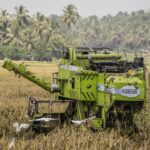
In the heart of agricultural innovation, a silent revolution is underway that promises to redefine the landscape of rice processing. As populations burgeon and the demand for efficient food production escalates, the emergence of combined rice mills presents a compelling solution to meet the challenges of modern agriculture. These multifaceted facilities, which integrate various processing stages into a single streamlined operation, are transforming the way grain is milled, ensuring that quality and efficiency go hand in hand. In this article, we will explore the rise of combined rice mills, examining their impact on productivity, sustainability, and the livelihoods of farmers and consumers alike. As we delve into the mechanics of this change, we will uncover how technology and ingenuity are melding to reshape a staple of cuisine across cultures and continents.
Embracing Innovation in Grain Processing Technology
The landscape of grain processing is rapidly evolving, and the emergence of innovative technology plays a pivotal role in this transformation. Combined rice mills are at the forefront of this change,blending efficiency with sophistication to optimize grain processing. These mills integrate multiple functionalities—hulling, polishing, and grading—into a single unit, thereby enhancing productivity and reducing operational costs. Their modular design not only simplifies the processing flow but also allows for fast adjustments tailored to diverse grain varieties, making them an invaluable asset for millers looking to stay competitive in a fast-changing market.
One of the standout features of combined rice mills is their ability to enhance product quality while minimizing waste. By employing state-of-the-art technology, these mills achieve increased yield rates and improved safety standards. key benefits include:
- energy Efficiency: Advanced machinery minimizes energy consumption compared to conventional methods.
- Quality Control: Built-in monitoring systems ensure consistent product quality from start to finish.
- Space Optimization: compact designs reduce the physical footprint, freeing up valuable warehouse space.
With the grain industry continuing to face challenges ranging from fluctuating market demands to sustainability pressures, the rise of combined rice mills exemplifies the industry’s commitment to innovation. By embracing technological advancements, millers can not only streamline their operations but also play a crucial role in meeting future food production needs.

Enhancing Efficiency and Sustainability in Combined Rice Mills
In the quest for agricultural advancement, the integration of innovative technologies in grain processing has become paramount.Modern combined rice mills play a crucial role in enhancing operational efficiency by utilizing state-of-the-art machinery that streamlines the milling process. These machines are designed to optimize various stages, from husking and milling to packaging, ensuring minimal waste and maximum yield. Key features include:
- Automated Systems: Reduce labor costs while increasing production speed.
- Energy-efficient Equipment: Lower energy consumption and operational costs.
- Real-time Monitoring: Improves quality control and predictive maintenance.
Emphasizing sustainability, these mills are also adapting eco-friendly practices that significantly reduce their environmental footprint. By employing renewable energy sources and waste recycling programs, the rice milling process can align with global green initiatives and contribute to a more enduring agricultural ecosystem. Key sustainability measures include:
| Measure | Benefit |
|---|---|
| Solar Power | Reduces reliance on fossil fuels |
| Water Recycling | Conserves precious resources |
| Organic Waste Composting | Minimizes landfill waste |
Addressing Economic Challenges Through Smart Operations
In recent years, the agricultural sector has faced numerous economic challenges, prompting a shift towards efficiency and innovation. The rise of combined rice mills serves as a beacon of hope, showcasing how smart operations can effectively address these hurdles. By integrating various processes within a single unit, these mills not only improve productivity but also reduce operational costs. This streamlined approach enables farmers to maximize their profit margins while concurrently catering to increasing market demands. With the integration of advanced technology, combined rice mills facilitate better quality control and product consistency, ensuring that the end product meets consumer expectations.
The economic impact of combined rice mills extends beyond mere operational efficiency; it reshapes the entire agricultural landscape. By adopting a holistic approach, these mills support smallholder farmers, providing them with access to resources and markets previously out of reach. The benefits include:
- Reduced supply Chain costs: By consolidating milling and processing, transport expenses decrease significantly.
- Enhanced Product Quality: Continuous monitoring throughout the milling process leads to superior grain quality.
- Increased Market Competitiveness: With efficient operations, producers can offer competitive pricing, attracting more buyers.
| Benefits | Impact on Farmers |
|---|---|
| Cost Efficiency | Higher profit margins |
| Improved Quality | Increased consumer trust |
| Access to Technology | Knowlege growth and skill enhancement |
Moreover, the focus on sustainable practices in combined rice mills contributes to environmental stewardship. With better resource management, including energy and water usage, these operations are particularly poised to thrive in a world where eco-friendliness is a growing concern.By addressing the challenges faced by the agricultural sector, combined rice mills represent a transformative movement that not only supports farmers and consumers alike but also paves the way for a more resilient economic future.
Fostering Community Growth with Localized Milling Solutions
In many rural regions, the establishment of combined rice mills is proving to be a catalyst for community transformation. These mills not only streamline the processing of rice but also serve as hubs for local collaboration and economic growth. By sourcing grains from nearby farmers, these facilities create a symbiotic relationship that benefits the entire community.Localized milling operations enable farmers to sell their produce without the burden of long-distance transportation, while mill operators gain access to fresh, quality grains essential for creating competitive products. This model fosters economic resilience and drives local entrepreneurship.
Moreover, combined rice mills pave the way for skill development and job creation within the community. By offering training sessions and workshops, these mills empower individuals with valuable skills such as grain processing, maintenance, and business management. This emphasis on education promotes not only personal growth but also enhances community cohesion as neighbors work together for shared success.The following table summarizes the key advantages of localized milling solutions:
| advantage | Description |
|---|---|
| Economic Growth | Local sourcing reduces costs and increases profitability for farmers and millers. |
| Job Creation | New job opportunities arise from the operation and maintenance of mills. |
| Community Training | Skill development programs enhance the employability of locals. |
| Reduced Waste | Efficient processing minimizes grain waste, benefiting the environment. |
The Conclusion
As we navigate through the ever-evolving landscape of agricultural technology, the ascent of combined rice mills stands as a testament to innovation’s role in shaping traditional practices. These modern marvels not only optimize efficiency but also enhance the quality of one of the world’s most staple foods. As we turn the page on this chapter of rice processing, one thing is clear: the rise of combined rice mills heralds a new era that promises to meet the demands of a growing global population while respecting the rich heritage of rice cultivation. The journey of grain transformation might potentially be just beginning, but its potential is boundless, paving the way for future advancements that could redefine the agricultural sector. In this dynamic interplay between tradition and technology, the seeds of progress are being sown, nurturing hope for a sustainable and prosperous future.