In the ever-evolving landscape of agriculture, the quest for efficiency and sustainability remains paramount. Enter the 5-ton rice mill—a formidable force poised to transform not just the way we process grains, but also how we perceive their role in global food security. With the capacity to increase output while minimizing waste, this innovative machinery stands at the intersection of tradition and technology, bringing forth a new era in rice production. As we delve into the myriad benefits and implications of this powerful tool, we uncover how it has the potential to revolutionize grain milling practices, empower farmers, and contribute to a more resilient agricultural ecosystem. Join us as we explore the mechanics, advantages, and future of the 5-ton rice mill, and uncover how this seemingly simple piece of equipment could reshape our relationship with one of the world’s most essential crops.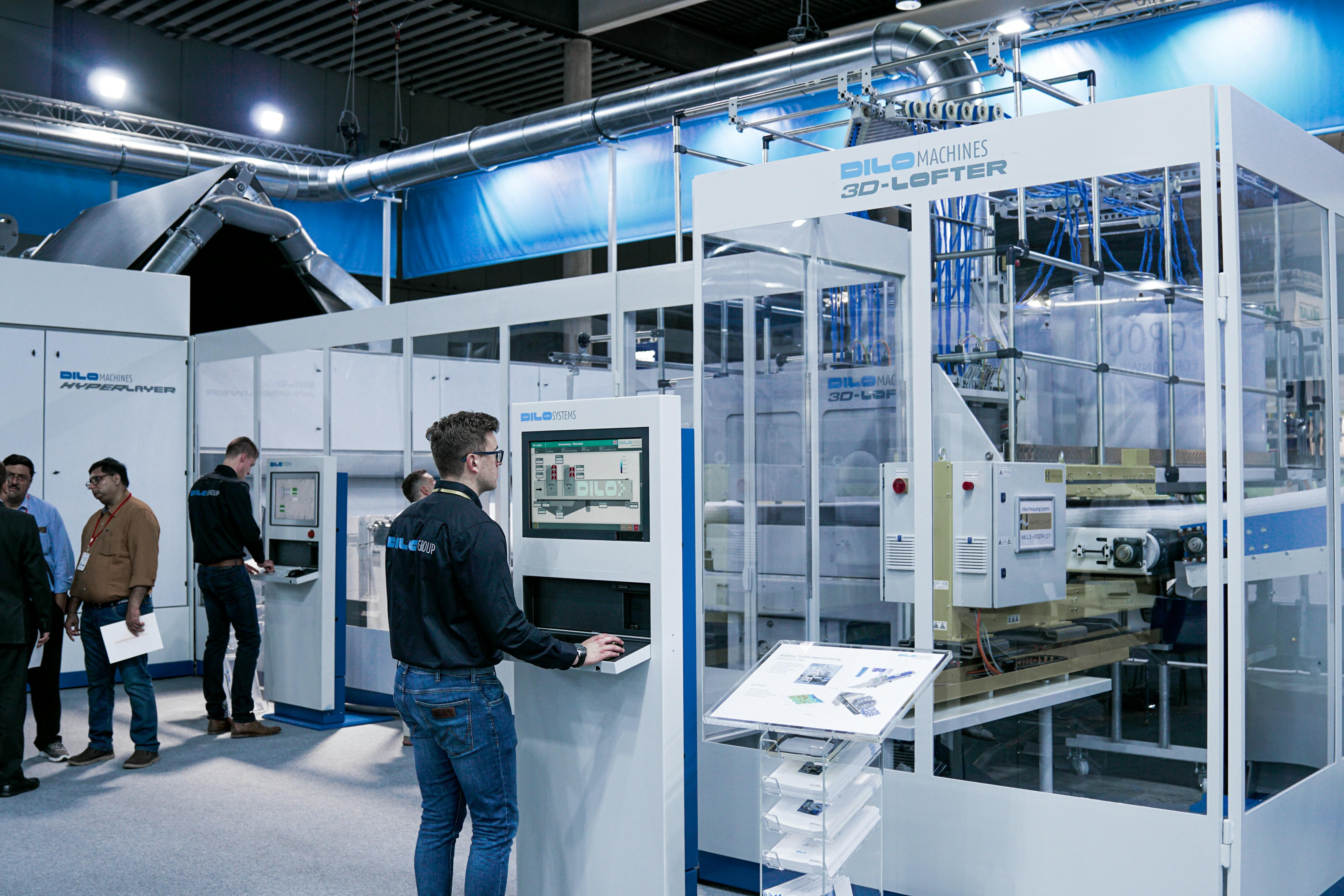
Innovative Technology Driving Efficiency in Rice Milling
The advancements in milling technology have lead to the emergence of innovative machinery that optimizes the rice processing workflow like never before. The integration of automation features in a 5-ton rice mill not only accelerates production rates but also enhances the precision of milling. This new era of efficiency is characterized by several key elements:
- Automated Operations: Reduced manual intervention leads to consistent grain quality.
- Energy Efficiency: Modern mills consume less power, minimizing operational costs.
- Modular Design: Simple upgrade paths allow for scaling up production capacity.
- Quality Control Systems: Real-time monitoring ensures optimal milling conditions.
With these technological strides, rice mills are not just about processing; they’re about smart processing. Consider the following comparative overview highlighting conventional versus innovative methods in rice milling:
| Traditional Milling | Innovative 5-Ton Rice Mill |
|---|---|
| Time-consuming operations | Rapid processing with automated systems |
| Higher labor costs | Reduced workforce requirements |
| Inconsistent grain quality | Precision control enhances quality |
| Limited scalability | Flexible and modular upgrades available |

Enhancing Quality and Yield: The Benefits of a 5-Ton Rice Mill
Investing in a 5-ton rice mill can drastically improve both the quality of your rice and the yield per harvest, transforming the landscape of grain production. With advanced milling technology, these mills minimize grain breakage and deliver a superior final product that meets the highest agricultural standards. Key benefits include:
- Consistent Product Quality: The precision of the milling process ensures minimal loss of nutrients and maximizes the flavor profile.
- Increased Efficiency: High-capacity production reduces processing time, allowing for a quicker turnaround between harvest and market.
- Reduced Labor Costs: Automation features decrease the need for extensive manual labor, making operations more cost-effective.
The operational advantages of a 5-ton rice mill extend beyond immediate production benefits. by optimizing milling processes,farmers can experience enhanced economic returns with the following factors contributing to overall yield improvement:
| Factor | Impact on Yield |
|---|---|
| Quality Control | Higher market demand for premium rice increases sales. |
| Waste Reduction | Streamlined processes lower the amount of waste produced during milling. |
| Market Adaptability | Ability to respond swiftly to market trends improves competitiveness. |
These elements highlight the vital role of modern technology in agricultural productivity, establishing the 5-ton rice mill as a pivotal asset for farmers looking to enhance both quality and yield in their operations.
Sustainable Practices for Modern Rice Production
Modern rice production is evolving towards sustainability through the adoption of innovative practices that not only enhance yield but also minimize environmental impact. Farmers are increasingly turning to precision agriculture techniques, which utilize data-driven approaches to optimize input use. By employing soil health assessments and crop rotation strategies, growers can improve soil quality and reduce dependency on chemical fertilizers. Additionally, eco-friendly irrigation systems, such as drip and sprinkler irrigation, are being implemented to conserve water resources while ensuring that rice crops receive adequate moisture.
Moreover, the integration of technology in rice milling is transforming post-harvest processes. A 5-ton rice mill equipped with modern machinery not only increases efficiency but also reduces waste significantly. The use of by-products from milling operations can foster a circular economy within rural communities. Key benefits include:
- Improved grain quality due to less damage during milling.
- Reduction in energy consumption through advanced milling technologies.
- Utilization of husk and bran for bioenergy and animal feed.
These sustainable practices support the overall goal of enhancing food security while respecting the planet’s resources. To illustrate the impact of these innovations, the table below highlights the benefits of adopting sustainable methods in rice farming and milling:
| practice | Benefit |
|---|---|
| Precision Agriculture | Optimized input use |
| Eco-Friendly Irrigation | Water conservation |
| Modern milling Technology | higher efficiency |
| Utilizing By-products | Waste reduction |
investing in the Future: Economic impact of Upgraded Milling Equipment
Upgrading to advanced milling equipment, such as a 5-ton rice mill, can substantially transform local economies, enhancing both productivity and profitability. As farmers transition from traditional methods to modern milling technologies,they unlock a spectrum of benefits that extend beyond the grain itself. Increased efficiency leads to higher yields and a better quality product, setting the stage for farmers to access broader markets. This shift not only improves household incomes but also stimulates local businesses providing complementary services, from transportation to retail, creating a vibrant economic ecosystem around rice production.
Moreover, the benefits of investing in new milling technology frequently enough ripple through the community. Job creation rises as mills require skilled labor for operation and maintenance, offering training opportunities that elevate the workforce. Enhanced milling processes can facilitate improved food security as more rice can be processed and distributed, contributing to sustainable economic growth. Local governments might also see increased tax revenues stemming from heightened business activities. the economic impact of adopting upgraded milling equipment is profound,leading to a transformed agricultural landscape that supports both farmers and their communities.
| Benefit | Impact |
|---|---|
| Increased Efficiency | Higher yields & product quality |
| Job Creation | Skilled labor opportunities |
| Food Security | More rice availability |
| Economic Growth | Increased local business activity |
Final Thoughts
As we venture into a future where food security and sustainability take center stage,the introduction of technologies like the 5-ton rice mill offers a glimpse of what innovation can achieve in the agricultural sector. By enhancing efficiency and productivity, this powerful machine not only uplifts farmers but also strengthens communities, ensuring that the grains we rely on are cultivated and processed with care. The journey of rice,from field to table,is set to transform with these advancements,reflecting the harmonious blend of tradition and modernity. As we embrace these changes, the power of grains can truly be reimagined, promising a bountiful tomorrow. Whether it’s through improved yields or reduced labor, the shift toward mechanization is just the beginning of a revolution that can feed nations and nourish dreams.