Transforming Grains: A Dive into Rice Processing Technology
Every grain tells a story,but few narratives are as intricate and vital as that of rice. This humble staple has nourished civilizations for thousands of years,shaping cultures,economies,and diets across the globe.As populations continue to grow and the demand for lasting food sources intensifies, the technology employed in rice processing has become more crucial than ever.From the lush paddies where rice is cultivated to the advanced machinery that converts these grains into edible forms, the journey of rice is one marked by tradition as well as innovation. Join us as we explore the transformative technologies behind rice processing, uncovering how modern techniques enhance quality, efficiency, and sustainability while preserving the rich heritage of this essential crop.
Understanding the Journey from Paddy to Plate: An Overview of Rice Processing Stages
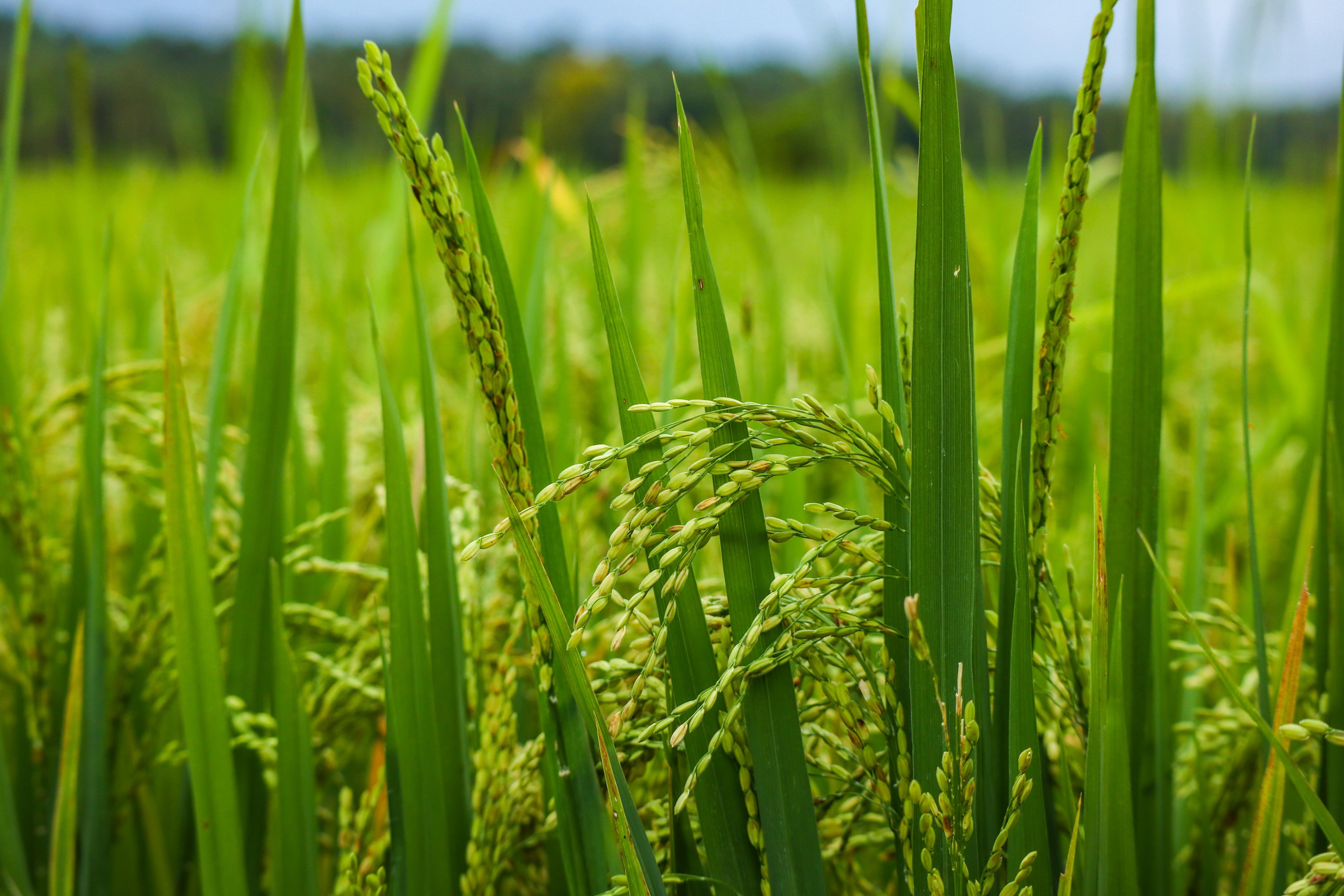
Rice processing is a complex journey that starts from the fields of lush green paddies and concludes on our dining tables, transforming raw grains into the polished staple we know and love. The initial stage, known as harvesting, involves cutting the mature rice plants when the grains reach their optimal ripeness. following this, the grains are threshed to separate them from the stalks. This raw product, known as paddy rice, than undergoes several crucial steps to ensure it is suitable for human consumption.
Once harvested, the paddy rice moves to the milling stage. Here, it is cleaned to remove impurities such as dirt and stone. The next step is husking, during which the outer husk is removed—a process that is critical for enhancing the grain’s quality. Later, the brown rice is produced, preserving the bran layer that encompasses the grain. At the final stage, the rice can be polished, improving its texture and appearance. This intricate conversion from paddy to polished white rice reveals the meticulous craftsmanship involved in rice processing.
| Processing Stage | Description |
|---|---|
| Harvesting | Cutting ripe rice plants and gathering the grain. |
| Thresher | Separating grains from the stalks. |
| Milling | Cleaning, husking, and polishing the rice. |

Innovative Milling Techniques: Enhancing Grain Quality and Yield
Modern milling techniques are at the forefront of enhancing the quality and yield of rice, transforming this staple food into a highly refined product that meets the demands of today’s market. Among these techniques, wet milling and dry milling stand out for their ability to significantly reduce broken grains and enhance the overall nutritional profile. By employing advanced machinery that utilizes precision-engineered rollers and classifiers, millers can ensure optimal separation of husk and bran layers, resulting in a purer grain that retains its essential vitamins and minerals. This meticulous approach not only elevates grain quality but also minimizes waste, allowing producers to maximize their output.
Moreover, innovations such as microwave-assisted milling and ultrasonic technologies are reshaping traditional practices. These methods are designed to disrupt grain cell structures more effectively, thereby improving extraction rates and reducing the energy consumption typically associated with conventional milling. The integration of smart technology in milling facilities also allows for real-time monitoring of grain parameters, enabling fast adjustments to maintain top-tier quality and efficiency. Below is a brief comparison of traditional milling methods versus innovative approaches:
| Feature | Traditional Milling | Innovative Milling Techniques |
|---|---|---|
| Energy efficiency | Moderate | High |
| Grain Breakage | High | Low |
| Quality Retention | Variable | Consistent |
| Waste Generation | Significant | Minimal |
Sustainability in Rice Processing: Eco-Friendly Practices for the Future
In the pursuit of a greener future, rice processing can leverage sustainable techniques that not only enhance productivity but also minimize environmental impact. By adopting practices such as water conservation, renewable energy utilization, and waste reduction, rice mills can transform their operations. For instance, integrating solar energy into the drying process significantly decreases dependence on fossil fuels, while the implementation of closed-loop water systems helps in reusing water efficiently. Additionally, investing in state-of-the-art milling technology reduces energy consumption and enhances the quality of the grain produced.
moreover, eco-friendly practices extend to the management of by-products, converting waste into valuable resources. Utilizing rice husks as biomass fuel or developing biochar from rice straw not only curtails waste but also contributes to soil enrichment. These practices can be championed through collaborations with local farmers and communities,promoting a circular economy within the rice industry. The following table illustrates the various sustainable practices and their potential benefits:
| Practice | Benefit |
|---|---|
| Water Conservation Techniques | Reduced water usage and cost savings |
| Renewable Energy Sources | Lower carbon footprint |
| Waste-to-Resource Initiatives | Minimizing landfill waste |
| Advanced milling Technology | Increased efficiency and quality |
Emerging Technologies in Rice Processing: Opportunities for Efficiency and Growth
In the rice processing industry, the integration of innovative technologies is revolutionizing traditional practices, significantly enhancing operational efficiencies. One of the most promising advancements is the introduction of AI-powered sorting machines. These machines utilize complex algorithms and imaging technology to identify and separate high-quality grains from impurities, ensuring that only premium rice reaches consumers. Additionally, the use of IoT sensors throughout the processing chain allows for real-time monitoring of equipment performance and grain quality, enabling producers to make informed decisions that optimize the entire workflow.
Moreover, the shift towards sustainable practices is further propelled by modern machinery that reduces energy consumption and waste. Techniques such as steam-based processing, which not only retain the nutritional value of rice but also enhance flavor, are gaining traction. Farmers and processors are increasingly adopting blockchain technology for traceability, providing consumers with insights into the origin and quality of their rice. Such transparency not only builds trust but also opens new market opportunities. As the industry embraces these emerging technologies, stakeholders can expect notable growth driven by efficiency and sustainability.
| technology | Benefits |
|---|---|
| AI Sorting Machines | Enhances quality control and sorting speed |
| IoT Sensors | Real-time equipment monitoring |
| Blockchain Technology | Improved traceability and consumer trust |
| Steam-Based Processing | Preserves nutrients and flavor |
To Conclude
as we conclude our exploration into the captivating realm of rice processing technology, it’s clear that the journey from paddy to plate is a complex and innovative endeavor. Each step in the transformation not only enhances the grain’s qualities but also reflects the intricate dance between tradition and modernity.
New methods, from milling advancements to precision sorting, are revolutionizing how we think about and consume rice. These technologies do more than streamline production; they ensure quality, sustainability, and food security in a world where the demand for this staple continues to rise.
As we look to the future, the evolution of rice processing stands as a testament to human ingenuity and adaptability. Whether you’re a farmer, a consumer, or a technology enthusiast, understanding these processes enriches our recognition for this vital grain. In the spirit of progress, let us continue to engage with and support innovations that not only transform grains but also secure our collective food future.With each grain of rice processed, we nourish not just our bodies but the potential for a more sustainable world. Thank you for joining us on this journey through the transformative power of rice processing technology.