In the heart of every wholesome breakfast lies a hidden artistry,an intricate ballet of nature,science,and craftsmanship. “From Grain to Goodness: The Art and Process of Cereal Milling” invites you to embark on a journey through time and texture, where humble grains transform into the comforting cereals that start our day. With centuries of tradition woven into modern machinery, the process of milling is a delicate balance of age-old techniques and innovative technology, each step crucial in unlocking the nutritional potential of grains. As we delve into this captivating world, we will explore not just the mechanics involved, but also the passion and precision that turn raw crops into the beloved fare gracing our tables.Join us as we uncover the secrets behind this essential craft, celebrating the blend of history and humanity that gives rise to the cereals we cherish.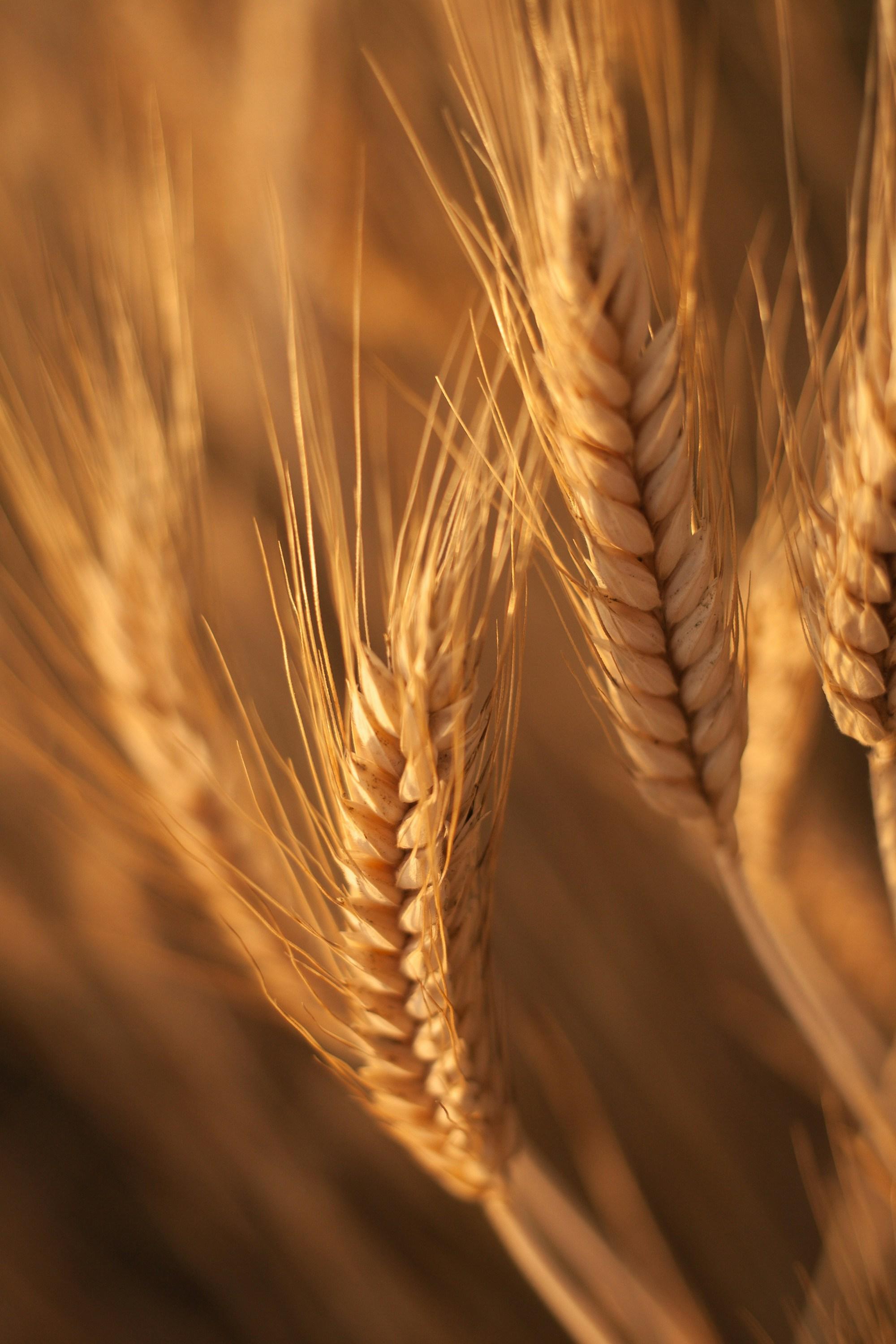
The Journey of Grain: Understanding the Life Cycle from harvest to mill
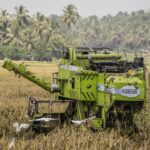
The journey from field to flour is a meticulous process that begins at harvest, where the golden grains are reaped and collected. Once the crops are gathered, they undergo a careful evaluation to ensure only the best quality grains are selected for milling. The fresh ears of grain are then transported to storage facilities, where they are protected from moisture, pests, and other environmental factors that could diminish their quality. At this stage, different varieties of grains are frequently enough blended to achieve specific flavor profiles and baking characteristics, showcasing the artisan’s touch in crafting the ideal mix.
Once the grains are ready, they are sent to the mill, a place where the magic truly happens. Here, the transformation begins with cleaning and conditioning—removing impurities and adjusting moisture content to enhance milling efficiency. the milling itself consists of several steps, including grinding, sifting, and refining, each designed to break down the grain into its finest form. The outcome is a spectrum of flour types, each varying in texture and nutritional value, laid out in a table to highlight the distinctions:
| Flour Type | Texture | Uses |
|---|---|---|
| All-Purpose Flour | Fine | Baking, Cooking |
| Whole Wheat Flour | Coarse | Breads, Pastries |
| Bread Flour | High Gluten | Breads, Rolls |
| Cake Flour | Super Fine | Cakes, Muffins |
Unlocking the Milling process: Techniques that Transform Raw Grain into Flour
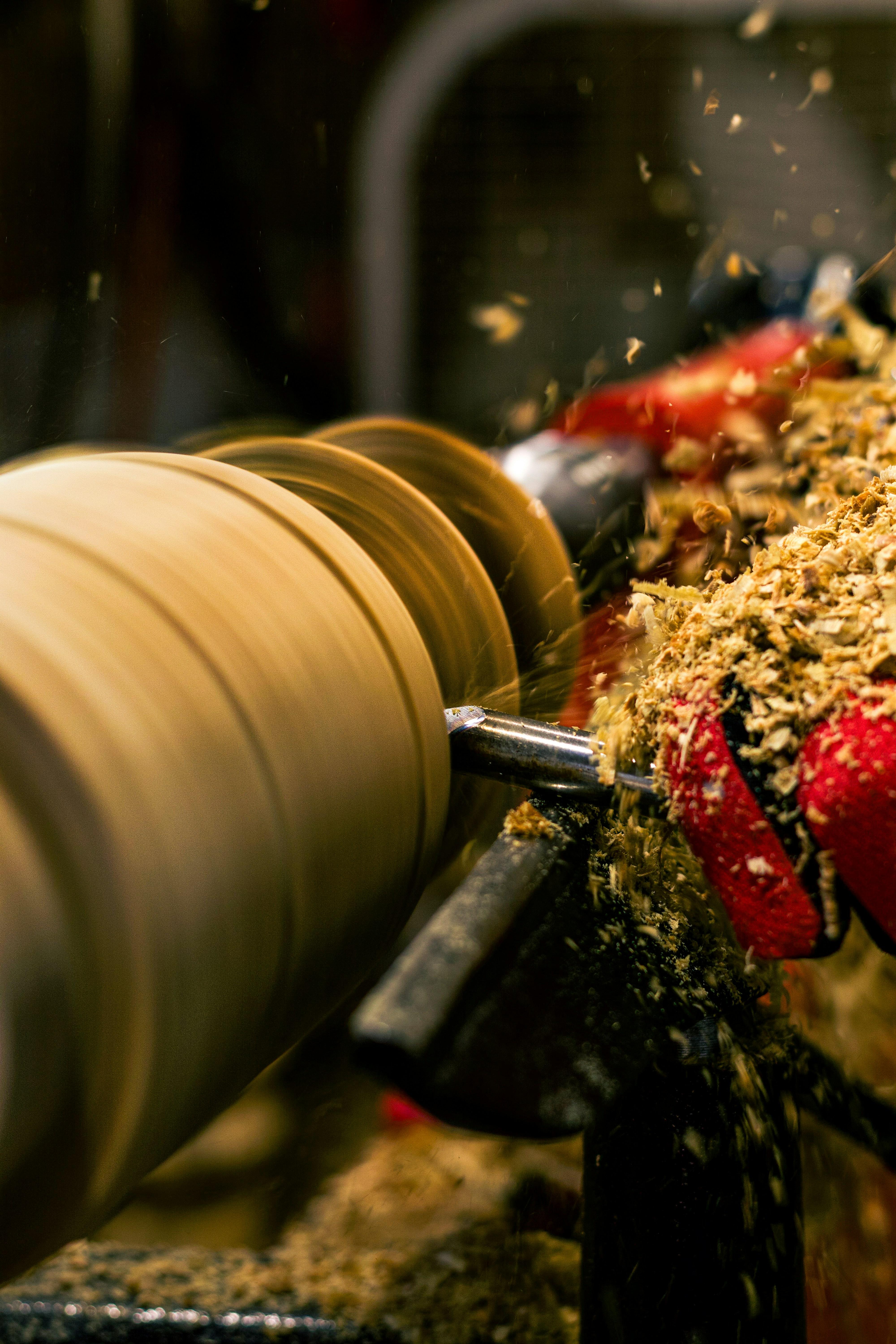
The journey from raw grain to silky flour is a fascinating interplay of tradition and technology. At the heart of this transformation lies the milling process, where grains are carefully processed to release their full potential. initially, grains such as wheat, corn, or rye undergo a thorough cleaning phase to remove impurities like dust, stones, and unwanted seeds. After this, the grains are conditioned with moisture, enhancing their pliability and making them easier to mill. This leads to the crucial step of grinding, which involves various techniques such as roller milling or stone grinding.Each method offers unique characteristics, influencing flour texture and flavor, and ultimately determining the final product’s quality.
Beyond grinding, several other key factors influence the milling outcome.
- Sifting: This technique separates the coarser bran from the fine flour, ensuring a smooth texture.
- Blending: Different types of flour may be mixed to achieve specific qualities, creating a perfect blend for bread or pastries.
- Enrichment: Some mills enhance the nutritional value of flour by adding vitamins and minerals.
The art of milling not only transforms grains but also reflects the miller’s skill and the mill’s heritage. With each step of the process, the raw ingredients are meticulously refined into flour that embodies the essence of the grain, ready to be unleashed in a myriad of culinary creations.

Quality Control in Milling: Ensuring Consistency and Purity in Every Batch
Quality control in milling is an intricate and essential process that transforms raw grains into high-quality flour. At each stage of milling, meticulous attention is paid to various parameters to guarantee optimal results. Key aspects of quality control include:
- Ingredient Selection: Choosing grains based on their quality,moisture content,and variety ensures that only the best raw materials are processed.
- Monitoring Temperature: Maintaining appropriate temperatures throughout milling prevents the degradation of valuable nutrients and maintains flavor.
- Texture Assessment: Regularly testing flour particle size allows millers to adjust their processes and achieve the desired consistency.
- Batch Testing: Conducting tests on each batch of flour for purity and contamination helps maintain safety and quality standards.
To further enhance quality assurance, modern milling facilities often deploy advanced technologies like optical sorting and automated sampling. These systems facilitate the identification of any impurities or inconsistencies, elevating the standard of the final product. A typical quality control chart may include the following parameters:
| quality Parameter | Ideal Range | Frequency of Testing |
|---|---|---|
| Moisture Content | 12-14% | Every Batch |
| Protein Level | 10-15% | Daily |
| Gluten Strength | Strong | Weekly |
| Aflatoxin Levels | Below 20 ppb | Monthly |
By rigorously implementing these quality control measures, mills can ensure that every batch of flour maintains the high standards expected by bakeries, chefs, and consumers alike, thus preserving the essence of quality from grain to goodness.
Building Sustainable Practices: Eco-Friendly Innovations in Cereal Milling
As the demand for eco-friendly practices continues to grow, the cereal milling industry is stepping up with innovative solutions that prioritize sustainability. By utilizing renewable energy sources, such as solar and wind power, mills can substantially reduce their carbon footprint while ensuring consistency in production. Additionally, the integration of advanced technologies, such as energy-efficient milling machinery, not only streamlines operations but also minimizes waste. Other innovations include:
- Water Recycling Systems: Implementing closed-loop systems to reduce water usage during processing.
- Biomass Utilization: Converting milling by-products into biofuels, thereby minimizing waste.
- Environmentally Friendly Packaging: Using biodegradable or compostable materials to package cereal products.
Furthermore,many cereal mills are adopting sustainable farming practices by partnering with local grain producers committed to organic and responsible farming methods.This collaboration not only supports local economies but also promotes biodiversity and soil health. The following table illustrates the impact of these partnerships on environmental and social measures:
| Measure | Impact |
|---|---|
| Reduction in Pesticide Use | 40% decrease |
| Soil Quality Improvement | 60% enhancement |
| Local Economy Support | $500,000 reinvested |
Through these eco-friendly innovations and collaborations, the cereal milling industry is not only embracing the principles of sustainability but also cultivating a future that emphasizes the preservation of our planet while delivering quality products to consumers.
Wrapping Up
As we reach the end of our journey through the intricate world of cereal milling, we are reminded of the remarkable transformation that takes place when raw grains are meticulously crafted into the staple foods we often take for granted. This age-old art not only preserves the nutritional essence of the grains but also enhances their potential, allowing them to nourish bodies and fuel lives across the globe.
From the gentle hum of the milling machinery to the subtle dance of grains becoming flour, each step in the process reflects a dedication to quality and sustainability. As we savor our breakfast bowls filled with steam-kissed oats or golden flakes, let us appreciate the craftsmanship involved in bringing these wholesome foods to our tables. The next time you pour your morning cereal or bake a loaf of bread,take a moment to acknowledge the journey from grain to goodness—a testament to both nature’s bounty and human ingenuity.
in our fast-paced world, remembering the origins of our food can inspire a greater respect for the resources we consume. As the sun sets on this exploration, may it ignite a curiosity in you to discover more about the foods you love and the processes that make them possible. Happy milling, and may your plate always be filled with the goodness of the grains!