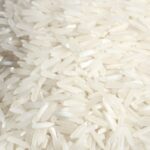
Unlocking Purity: The Art and Science of rice Polishers
In the intricate dance between tradition and innovation, few grains have captured the world’s attention quite like rice. Yet, within the simple allure of this staple lies a complex tapestry woven from art and science, especially evident in the revered practice of rice polishing. As the grains tumble and churn within the polished chambers of rice polishers,an age-old method unfolds; it’s a process that transforms rough,unrefined kernels into luminous,pure gems waiting to nourish the body and spirit. In this exploration, we delve into the captivating world of rice polishers—where craftsmanship meets technology, and heritage is preserved in every polished grain. join us as we unlock the secrets behind this cherished culinary art, examining the techniques and tools that elevate rice to its purest form, while celebrating its journey from farm to table.

The Journey from Grain to Perfection
From the vast fields where rice grains are harvested to the pristine shelves of gourmet kitchens, the path of conversion is an intricate dance between nature and craftsmanship. In this journey, rice polishers play a crucial role, ensuring that each grain emerges not only polished but also celebrated for its inherent qualities. The process of refining rice is a fascinating blend of customary techniques and modern innovations, where the art of polishing intermingles wiht scientific precision. As grains tumble through the polished mechanisms, they undergo a metamorphosis that enhances not just their appearance, but their flavor profile and nutritional value, creating an exquisite canvas for chefs and home cooks alike.
The significance of this delicate process is grounded in attention to detail.Several factors contribute to achieving the perfect polish, including:
- Temperature Control: Ensuring optimal heat reduces damage to the grains.
- Moisture Balance: Maintaining ideal humidity prevents excessive cracking.
- Duration of Polishing: A carefully timed polish can mean the difference between a dull grain and a gleaming jewel.
Manufacturers often employ sophisticated machinery, yet the finesse required in rice polishing still relies heavily on artisanal knowledge passed down through generations. This intersection of technology and tradition not only preserves the integrity of the grain but also satisfies the modern palate’s craving for quality and purity. A commitment to excellence is paramount, as each batch of polished rice is a testament to the journey it undertook from field to table.

Understanding the Mechanisms of rice Polishing
Rice polishing is a meticulous process that transforms raw rice into the gleaming grains we recognize as polished rice. The mechanisms of this technique revolve around several key components: the type of polishing machine, the polishing materials used, and the precise techniques applied during the process.Polishing machines, often equipped with abrasive or frictional surfaces, play a critical role in reducing the outer layers of the rice grains. This process is not only about texture; it also aims to enhance flavor and prolong shelf life. The abradants—be it sandpaper, emery cloth, or specialized pads—must be chosen wisely to achieve the desired luster without compromising nutritional value.
The art of polishing is further enriched by the regulation of temperature and moisture levels throughout the process.An ideal balance prevents the grains from becoming too brittle or sticky. This interplay of mechanics and artistry ensures that the rice retains its essential nutrients while showcasing a visually appealing sheen. A significant consideration is the removal of the bran layer, which contains vital dietary fibers and minerals. Thus, processors often need to carefully calibrate the duration of polishing to strike a balance between aesthetic appeal and nutritional integrity, ensuring the end product meets both culinary and health standards. The effectiveness of these methods can be summed up in the table below, showcasing the comparative elements critical to rice polishing:
| aspect | Significance |
|---|---|
| Polishing machine | Determines the efficiency of grain luster |
| Abrasive Material | Affects texture and potential nutrient loss |
| Temperature Control | Maintains grain integrity while polishing |
| Moisture Regulation | Prevents grains from becoming overly dry or sticky |
Evaluating the Best Technologies in Rice Polishers
When assessing the effectiveness of rice polishers, various technologies come into play, each designed with specific features to enhance the polishing process. Traditional stone-based polishers have long been a staple in many regions, relying on the friction of stone against grain to achieve a desired sheen. However,modern mechanized versions,such as rotary and friction polishers,offer increased efficiency and are often equipped with advanced controls that minimize grain damage while optimizing energy use. Understanding the strengths and weaknesses of each technology can guide producers in selecting the right machine for their needs.
Several key factors are essential in evaluating rice polishers, including polishing speed, grain retention rate, and final product quality. Here are a few critical features to consider:
- Polishing Speed: How quickly can the machine process rice without compromising quality?
- Grain Retention: what percentage of the grains are lost during the polishing process?
- final Quality: Does the polisher provide a uniform finish and improve the overall quality of the rice?
The following table provides a quick comparison of diffrent rice polisher technologies:
| Technology | Polishing Speed | Grain Retention | Final Quality |
|---|---|---|---|
| Traditional Stone | Medium | 85% | good |
| Rotary Polisher | High | 90% | Very Good |
| Friction Polisher | Variable | 95% | Excellent |
Achieving Culinary Excellence through Polished Rice
In the realm of culinary arts, the quality of ingredients profoundly influences the final outcome, and rice is no exception. The finesse of polished rice is notable for its subtle textures and pristine appearance, which are essential for elevating various dishes. When polished to perfection,rice not only enhances the visual appeal of a meal but also creates a harmonious balance of flavor and aroma. Renowned chefs frequently enough emphasize the importance of using high-quality polished rice, stating that it plays a crucial role in dishes like risotto and sushi, where the rice must interact delicately with other ingredients.
Moreover,the process of polishing rice is as much an art as it is indeed a science. Advanced techniques employed in rice polishing—such as temperature control, moisture management, and precision milling—contribute to the preservation of essential nutrients while achieving that sought-after glossy finish. The transformation from rough grains to polished pearls requires a seamless interplay between technology and craftsmanship. Consequently, professionals in the culinary field recognize polished rice as a canvas that invites creativity and experimentation. Not only does it provide a refined taste experience, but it also serves as a versatile base for an array of world cuisines, showcasing the elevation of humble grains to gastronomic delights.
Concluding Remarks
As we draw the curtain on our exploration of rice polishing, it becomes evident that this ancient practice is a remarkable fusion of artistry and science. with every grain polished to perfection, we unveil not just the rice’s potential for culinary transformation, but also a deeper connection to the land and culture that nurtured it.
From the meticulous methods handed down through generations to the innovative technologies that serve modern kitchens, rice polishers stand as both tools and symbols of our enduring quest for purity. As we savor the delicate textures and flavors that polished rice brings to our meals, we remember that this process is more than mere preparation; it is a party of heritage, health, and sustainability.
In a world where authenticity frequently enough gets overshadowed by convenience, let us embrace the time-honored traditions of rice polishing as a reminder of the importance of craftsmanship in our everyday lives. Whether you are a seasoned chef or a curious home cook, there is art waiting to be unlocked in every polished grain—an invitation to savor, share, and appreciate the intricate dance of nature and nurture that lies within every bowl of rice.