In the heart of grain fields and the rhythm of machinery lies a world where art meets science—the intricate process of cereal milling. As the sun rises over expansive fields of golden wheat, barley, and corn, the journey of these humble grains transforms from mere crops into a cornerstone of our daily sustenance. Cereal milling is not just a traditional craft; it is a dynamic industry that blends ancient techniques with modern innovation, ensuring that the flour and grains that nourish us maintain their quality and integrity.In this exploration, we will delve into the complexities of cereal milling today, highlighting the intricate balance of artistry and precision that defines this age-old practice. From the selection of premium grains too the cutting-edge technology used in processing, join us as we uncover the fascinating elements that shape the future of cereal milling in a world increasingly focused on sustainability and health.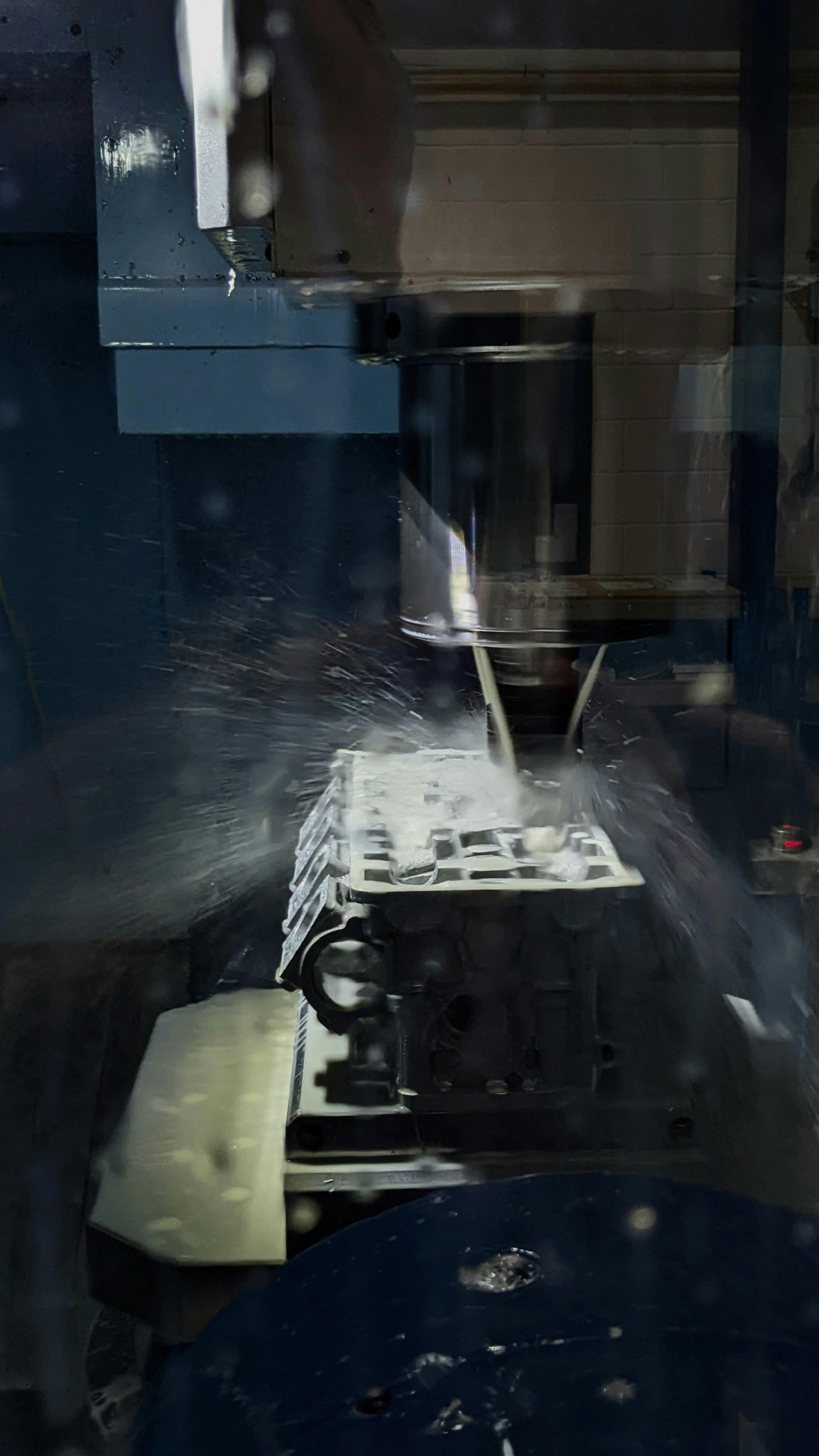
Understanding the Modern Milling Process and Its Technological Advances
The modern milling process has undergone a remarkable transformation, integrating both time-honored techniques and cutting-edge technology. Today’s mills are not merely structures designed for grinding grain; they are complex facilities that operate with amazing precision and efficiency. The use of automated systems and advanced machinery allows for the monitoring and control of multiple parameters throughout the milling process. From cleaning and conditioning grain to optimal grinding and packaging, each stage has become increasingly streamlined, resulting in enhanced product quality and reduced waste. In addition, milling operations now leverage data analytics and smart technology, ensuring consistency in the final product while also maximizing energy efficiency.
Key innovations have redefined how millers approach their craft, enabling them to meet the evolving demands of the market. Among these advancements are:
- Digital Monitoring: Sensors and software for real-time analysis of grain quality.
- Precision Milling Techniques: Advanced grinding methods that maintain nutritional integrity.
- Automated Cleaning Processes: Enhanced equipment that reduces contamination risks.
- Eco-kind Practices: Sustainable milling solutions aimed at reducing the environmental impact.
Moreover, milling innovation extends beyond machinery, as packaging technology has also evolved to ensure product freshness and longevity. The integration of intelligent packaging methods not only preserves the quality of cereal products but also enhances consumer convenience. In order to illustrate the progression of this industry, a brief comparison of traditional versus modern milling techniques is shown below:
| Aspect | traditional Milling | Modern Milling |
|---|---|---|
| efficiency | Lower output, more manual labor | High output, automated processes |
| Consistency | Variable results | Uniform products |
| Environmental Impact | Higher waste and energy consumption | Reduced waste with energy-efficient practices |
The Role of Automation in Enhancing Efficiency and Quality control
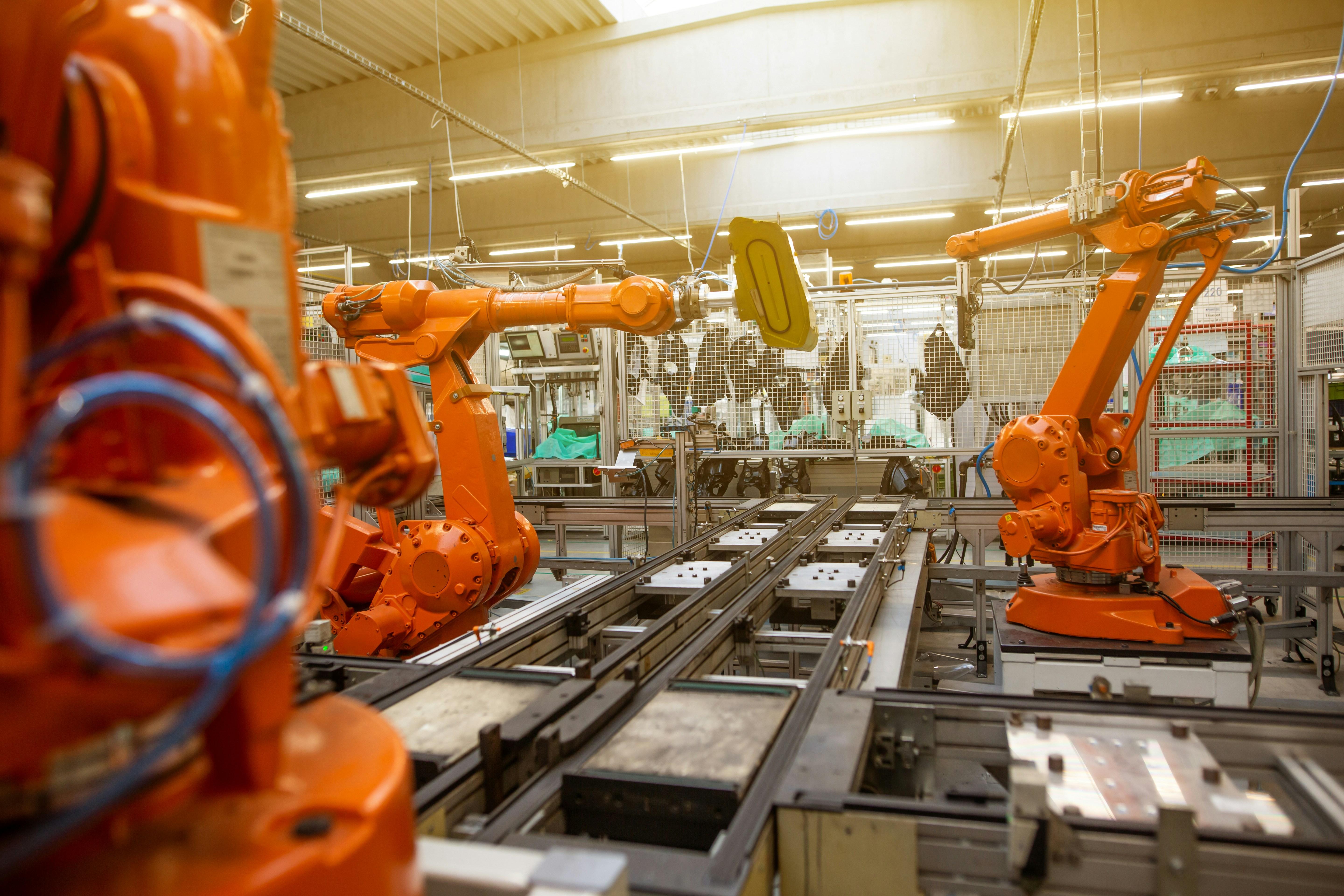
In the ever-evolving landscape of cereal milling, automation is revolutionizing operational processes by seamlessly integrating cutting-edge technology with traditional practices. This transformation not only streamlines workflows but also dramatically improves the precision of each step in the milling process. Automated systems minimize human error, ensuring consistent grain quality by enhancing the monitoring of key production variables. Additionally, data analytics play a notable role, enabling real-time adjustments and predictive maintainance, which ultimately leads to optimized resource utilization. The benefits of automation can be summarized as follows:
- Consistency: Automated systems standardize production, resulting in uniform product quality.
- speed: Increased processing speeds enhance throughput without sacrificing quality.
- Cost-Effectiveness: Reduced labor costs and minimized waste contribute to overall savings.
- Traceability: Enhanced tracking systems improve supply chain openness and regulatory compliance.
Quality control, a critical aspect of cereal milling, is considerably enhanced through automation as well. Sophisticated sensors and imaging technologies are employed to scrutinize every batch, detecting imperfections and ensuring adherence to stringent industry standards. This level of scrutiny not only reinforces consumer trust but also positions manufacturers as leaders in quality assurance. Below is a snapshot of automated quality control implementations:
| Technology | Functionality | Benefits |
|---|---|---|
| Vision Systems | Detect defects and foreign materials | Enhances safety and product integrity |
| moisture Sensors | Monitor grain moisture levels | Ensures optimal milling conditions |
| Automated Sampling | Collects samples at predetermined intervals | Facilitates regular quality checks |
Nutritional Innovations: Balancing Health and Taste in Cereal Products
In the ever-evolving world of cereal manufacturing, the quest for a perfect balance between health and taste has led to a myriad of innovative approaches. Whole grains, rich in fiber and essential nutrients, have taken center stage, with companies increasingly sourcing ancient grains like quinoa and amaranth. These grains not only offer health benefits but also enhance the flavour profile of cereals, appealing to the discerning palate. Manufacturers are now blending various ingredients to create products that are not only nutritious but also irresistibly appetizing. Common innovations include:
- Natural sweeteners: Alternatives like honey, agave, and stevia replace refined sugars.
- Functional ingredients: The inclusion of probiotics, omega-3s, and plant-based proteins boosts health benefits.
- Flavor-infused options: Unique flavor combinations such as chai spice or tropical coconut are becoming popular.
Advancements in processing technology have also played a crucial role in cereal innovation. Enhanced milling techniques now preserve vital nutrients while ensuring a smoother texture, making cereals more enjoyable for consumers of all ages. The focus on sustainability has prompted brands to incorporate eco-friendly practices into their production methods, from sourcing organic grains to utilizing recyclable packaging. To illustrate this transition, consider the following table that highlights some of the recent developments in cereal innovation:
| Innovation | Description |
|---|---|
| Fortified Cereals | added vitamins and minerals to enhance dietary value. |
| Gluten-Free Options | Developed for those with gluten sensitivities or celiac disease. |
| Plant-Based Ingredients | Incorporating legumes and nuts to boost protein content. |

Sustainability Practices: Reducing Environmental Impact in Milling Operations
The milling industry is taking significant strides toward sustainability, reflecting a growing awareness of environmental impacts and a commitment to eco-friendly practices. Key approaches focus on minimizing waste, reducing energy consumption, and adopting innovative technologies. Such as, many milling operations are transitioning to renewable energy sources such as solar and wind power to meet their energy needs. Additionally, implementing advanced milling techniques can optimize the use of raw materials, resulting in less leftover grain and reduced spoilage. Some widely adopted practices include:
- water conservation: Utilizing closed-loop systems to reduce water usage in cleaning and processing.
- Waste management: Reusing by-products like bran and flour dust for animal feed or biomass energy.
- Eco-friendly packaging: Using biodegradable or recyclable materials to package final products.
Moreover, technology plays a pivotal role in enhancing sustainability within milling operations. Digital tools and automation can significantly lower energy use by optimizing the milling process and minimizing downtime. By investing in smart sensors and data analytics, mills can gain insights into their operations, allowing for continual assessment and improvement of resource use.A comparison of traditional versus modern milling energy consumption shows the profound impact of these technologies:
| aspect | Traditional Milling | Modern Milling |
|---|---|---|
| Energy Efficiency | Low | High |
| Waste Generation | High | Minimal |
| Water Use | Moderate | Low |
The Way forward
As we conclude our journey through the intricate world of cereal milling,we find ourselves standing at the intersection of tradition and innovation. The age-old techniques that have defined this craft for centuries continue to evolve,driven by advancements in technology,a deeper understanding of grain science,and an unwavering commitment to sustainability.
From the rhythmic sounds of the millstone to the precise calibrations of modern machinery, every step in the milling process tells a story—one that reflects not just the artistry involved but also the scientific principles that underpin it. as we explore this dynamic landscape, it’s clear that the future of cereal milling promises to be as rich and diverse as the grains it processes.
In a world where the demand for quality, nutrition, and environmental responsibility continues to grow, cereal milling stands poised to meet these challenges head-on. So, weather you’re a farmer, a miller, or simply a lover of grain-based products, remember that every bowl of cereal and every loaf of bread carries with it the legacy of those who perfected the art and science of milling. We invite you to appreciate not just the end product,but the journey it takes to reach your table—a true blend of craftsmanship and innovation that nourishes both body and soul.