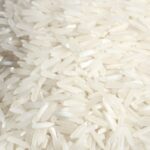
In the tapestry of global cuisine, rice stands out as a fundamental thread, woven into the diets of billions around the world. This humble grain,revered for its versatility and nutritional value,undergoes a captivating transformation from paddy fields to polished grains on our plates. At the heart of this journey lies an intricate world of rice processing equipment—a realm where innovation meets tradition,ensuring that the essence of rice is preserved while meeting the demands of modern consumption.In this article, we delve into the essentials of rice processing equipment, exploring the technologies and methodologies that play a crucial role in refining this staple from raw harvest to culinary delight. Join us as we uncover the mechanisms that facilitate this essential transformation, shedding light on the equipment that not only impacts the efficiency of production but also enhances the quality of rice enjoyed across cultures.
Understanding the Rice Processing Journey from Field to Table
The journey of rice from field to table involves intricate steps, with each phase requiring specialized processing equipment to ensure the highest quality grains reach consumers. After harvesting, paddy rice undergoes drying to reduce moisture levels and prevent spoilage. This is achieved using a combination of mechanical dryers and sun drying methods, enabling farmers to store their harvest with minimal loss. Following drying,the paddy is cleaned and hulled through the use of hulled machines,which effectively remove the outer husk while retaining the inner,edible grain. This critical step not only improves appearance but also enhances flavor and texture, setting the stage for the next phase in the processing journey.
Once hulled, the rice grain requires further refinement through milling equipment that polishes the rice to achieve the desired white or brown appearance. The milling process involves a series of stages, including grading and polishing. Grading is essential to separate high-quality grains from broken ones, while polishing enhances shine and texture, making the rice more appealing to consumers. Below is a concise table summarizing some essential rice processing equipment:
| equipment | Function |
|---|---|
| Mechanical Dryer | Reduces moisture content |
| Huller | Removes husk from paddy |
| Milling Machine | Polishes and grades rice grains |
| Separator | Sorts grains by size and weight |
key Equipment and Technologies for efficient Rice Milling
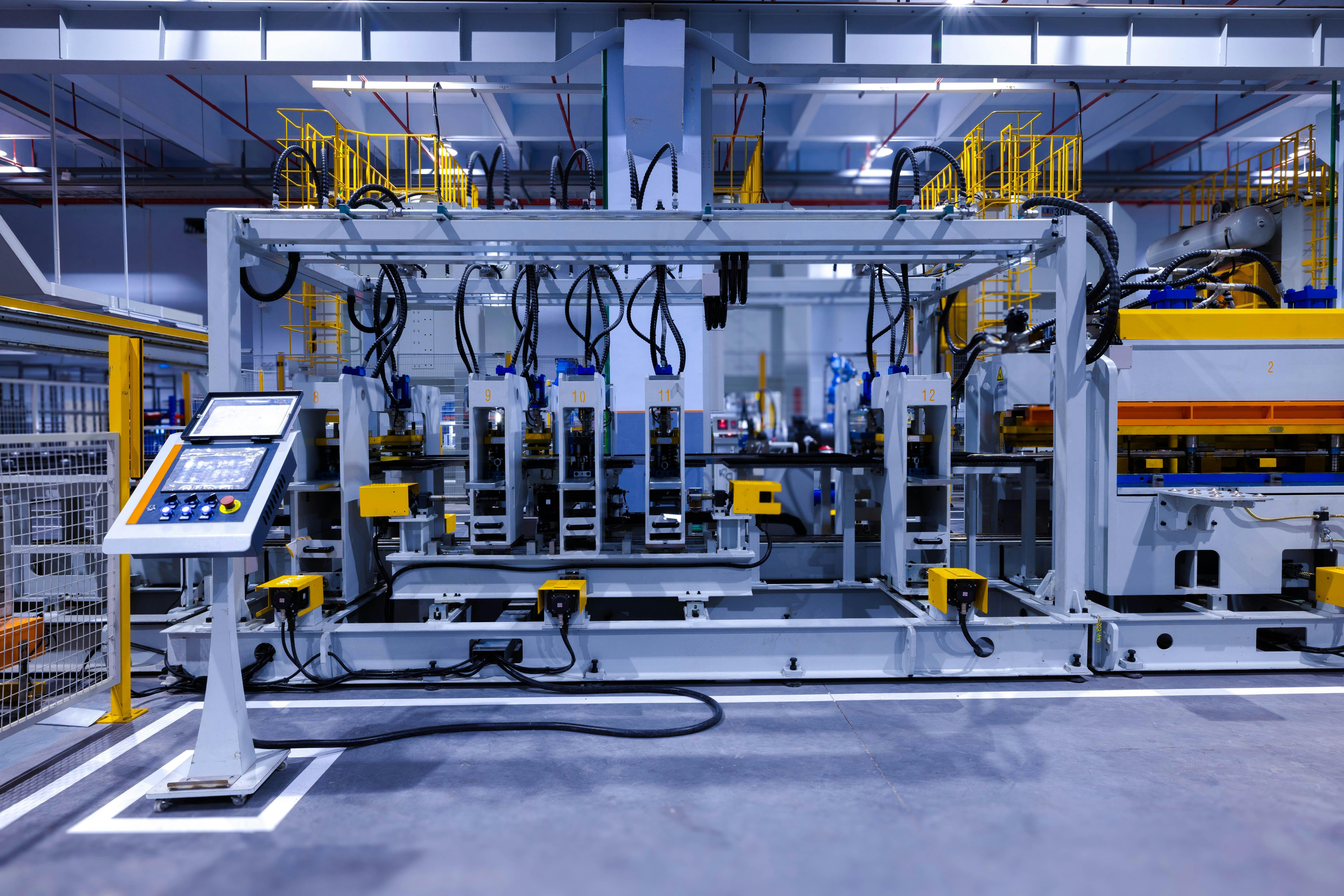
To achieve optimal efficiency in rice milling, it’s crucial to invest in state-of-the-art machinery that harmonizes quality and throughput.essential equipment includes pre-cleaners, which eliminate impurities before processing begins, and dehusking machines that swiftly remove the husk while preserving the grain. Moreover,whitening machines enhance the appearance and quality of the rice,ensuring a polished finish that appeals to consumers. Othre vital components consist of gravity separators to eliminate weight discrepancies and polishing machines for achieving that perfect luster and texture.
In addition to these primary machines, integrating modern technologies such as automated control systems can optimize the milling process. These systems provide real-time data analysis, allowing producers to monitor everything from moisture levels to machine performance. Investing in dust control systems not only enhances operational cleanliness but also improves air quality for workers. Below is a simple overview table illustrating the core equipment and their functions:
| Equipment | Function |
|---|---|
| Pre-cleaner | Removes impurities from grains |
| dehusking Machine | Separates husk from the rice grain |
| Whitening machine | Enhances rice appearance |
| Gravity Separator | Sorts grains based on weight |
| Polishing Machine | Gives rice a polished finish |
Quality Control Measures in Rice Processing Systems
Implementing robust standards is crucial in rice processing to ensure product quality and safety.One of the primary quality control measures includes visual inspection, where trained personnel examine grains for color, size, and defect. This preliminary check helps in identifying any inconsistencies that could impact the final product. Other essential quality control measures involve:
- Moisture Testing: Ensuring that moisture levels are within optimal ranges to enhance shelf-life and prevent mold.
- Hulling and Milling Checks: Regularly calibrating machines to minimize broken grains and maximize yield.
- Laboratory Analysis: Conducting tests for adjustments in grain composition, such as protein content and cooking quality.
Another vital aspect of maintaining quality in rice processing is through systematic cleaning and sanitation of equipment. Regular maintenance schedules for machinery not only prevent cross-contamination but also improve overall efficiency. Additionally, employing traceability systems ensures that every batch of rice can be tracked back to its source, enhancing accountability. The following table outlines critical quality control techniques applied in modern rice processing:
| Quality Control Technique | Description |
|---|---|
| Visual Inspection | Assessing grains for defects and quality attributes. |
| Moisture Testing | Measuring moisture levels to prevent spoilage. |
| Equipment Calibration | Ensuring machinery settings minimize grain damage. |
| Product Traceability | Tracking grains from field to processing to market. |
sustainable Practices and Innovations in Grain Transformation
As the demand for rice continues to rise globally,fostering sustainable practices in grain transformation has never been more crucial. Modern rice processing equipment has substantially evolved to enhance efficiency while conserving resources. Innovations such as energy-efficient milling and water recycling systems not only bolster production but also minimize the environmental impact. This shift encourages the adoption of sustainable materials in manufacturing and design, paving the way for a more eco-pleasant industry that meets consumer demands without overexploiting natural resources.
Incorporating sustainable practices can lead to impressive improvements in both yield and quality. Key advancements include:
- Integrated Pest Management (IPM): Reducing chemical use while maintaining crop health.
- Biodegradable packaging: For improved post-harvest handling and distribution.
- Precision Agriculture: Employing data-driven technologies to optimize field management.
This holistic approach ensures that grain transformation is not only profitable but also sustainable, creating a resilient food system. Below is a brief comparison of traditional vs. modern rice processing equipment in terms of resource efficiency:
| Equipment Type | Resource Use | Waste Generation |
|---|---|---|
| Traditional Mills | High energy & water usage | Meaningful by-products |
| Modern Equipment | Optimized energy & water efficiency | minimal waste; promotes recycling |
To Wrap It Up
In the vast tapestry of global agriculture, rice stands as a staple that nourishes millions.As we conclude our exploration of the vital role rice processing equipment plays in transforming this humble grain,it becomes evident that innovation lies at the heart of efficiency and quality. Beyond the machines and technology, it is the dedication to precision and the commitment to sustainability that truly matter.
As the world continues to evolve, so too must our approaches to rice production and processing. Embracing modern equipment not only enhances productivity but also ensures that the grains we harvest nourish future generations. In this ever-changing landscape, the tools we employ are essential for meeting the demands of today while paving the way for a more sustainable tommorow.
So whether you are a farmer, a processor, or simply an admirer of this versatile grain, remember: the journey from field to table is a complex interplay of tradition and innovation. By understanding and investing in the right processing equipment, we empower ourselves to embrace the future of rice production with confidence and purpose. Thank you for joining us on this enlightening journey—may it inspire further exploration into the transformative world of grain processing.