
In the heart of agriculture, where tradition meets technology, the quest for efficiency has always been a driving force. Enter the mini rice milling machine, a compact marvel that is transforming the way rice is processed—from field to table. As the world grapples with rising population demands and the pressing need for sustainable practices, this innovative tool emerges as a game-changer for small-scale farmers and large agricultural enterprises alike.In this article, we will delve into the myriad benefits of these machines, exploring how they not only enhance harvest efficiency but also contribute to better quality rice and reduced waste. Join us as we uncover the impact of mini rice milling machines on the industry and the future of food production.
Maximizing Yield: The Benefits of Mini Rice Milling Machines
Investing in mini rice milling machines can significantly enhance productivity and efficiency for smallholder farmers and rice milling businesses alike. These compact machines offer the capability to process rice in various capacities, catering to both domestic consumption and commercial needs. Among the standout advantages are:
- Improved Processing Efficiency: Mini rice milling machines streamline processing, reducing the time taken to convert paddy to milled rice.
- Cost-effectiveness: Smaller equipment usually has lower operational costs,making it accessible for small-scale farmers to invest in.
- Quality Output: These machines frequently enough produce high-quality, polished rice with minimal broken grains, satisfying market demand.
- Versatility: Many models can handle different types of grains, enhancing utility on diverse farms.
Furthermore, mini rice milling machines can promote sustainable agricultural practices by minimizing waste during the milling process. Efficient milling reduces leftover byproducts, which can be repurposed as animal feed or organic fertilizer. To illustrate the potential benefits, consider the following comparison of traditional milling versus mini milling:
| Aspect | Traditional Milling | Mini rice Milling |
|---|---|---|
| Operational Cost | Higher due to labour and energy | Lower with increased automation |
| Processing Time | Longer due to manual labor | Faster with efficient machinery |
| Byproduct Waste | Higher waste generation | Lower waste; more repurposed |
| Final Product Quality | Often inconsistent | Consistently high quality |
By embracing mini rice milling technology, farmers can not only boost their yields but also contribute to a more sustainable agricultural ecosystem, positioning themselves competitively in the market.
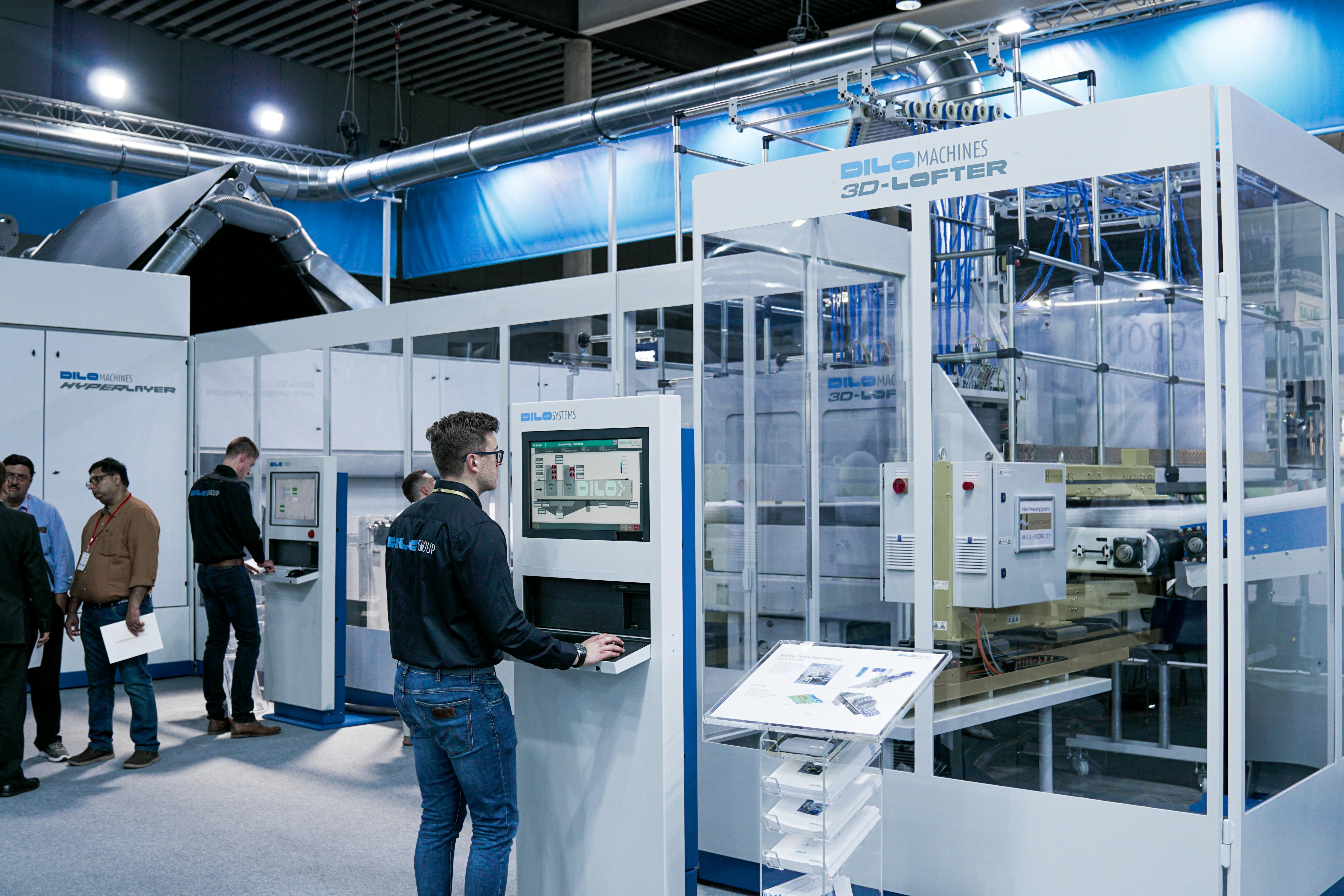
Technical Innovations Behind Compact Milling Solutions
Recent breakthroughs in engineering have paved the way for advanced milling technologies that significantly enhance the performance and efficiency of compact rice milling machines.At the core of these innovations is the integration of precision milling mechanisms which deliver consistent results while minimizing waste.This is achieved thru the use of:
- Smart Sensors: These sensors monitor the moisture and quality of the rice, enabling real-time adjustments to milling parameters.
- Energy-Efficient Motors: These motors reduce power consumption while maintaining high operational speeds, catering to the growing demand for sustainable farming practices.
- modular Design: this allows farmers to upgrade components as new technologies emerge, ensuring longevity and adaptability of the machines.
Furthermore, the utilization of advanced materials in construction enhances durability while keeping the machines lightweight. Innovations such as ceramic-coated blades not only extend the lifespan of critical components but also improve the quality of the milled product. The compact design provides easy transport and deployment, making milling operations more accessible to smallholder farmers. The following table highlights some of the key specifications that characterize these modern milling solutions:
| Feature | Benefit |
|---|---|
| Compact Size | Efficient space utilization for small farms |
| Automated Functions | Reduces labor costs and increases output consistency |
| Low Maintenance Requirements | Enhances productivity with minimal downtime |
Choosing the Right Mini rice Milling Machine for Your Needs
Choosing the right mini rice milling machine involves understanding your specific needs and the features available in the market. Considerations such as processing capacity, quality of output, and ease of operation should guide your decision. Start by evaluating the volume of rice you intend to mill regularly. For smaller operations,a machine that can handle 100-200 kg per hour may suffice,while larger enterprises might require models capable of processing 500 kg per hour or more. Additionally, factor in the grain quality you aim for—some machines do a better job of preserving the nutrients and taste of the rice than others.
When exploring options, assess the technology behind the milling processes. Modern machines often utilize husk removal, brown rice milling, and whitening techniques, all crucial for achieving high-quality results. it’s also wise to look at the machine’s durability and maintenance requirements to ensure longevity. Here are some essential features to consider:
- Power Consumption: Efficient machines should minimize power use without compromising performance.
- Build Quality: A sturdy frame can withstand the rigors of continuous milling.
- Ease of Cleaning: Simpler disassembly makes maintenance easier, saving you time.
- Portability: Compact models can fit into tight spaces or be easily moved.
To aid in comparing various models, consider the following table that summarizes key specifications:
| Model | Processing Capacity (kg/hr) | Power (kW) | Dimensions (cm) |
|---|---|---|---|
| Model A | 150 | 2.2 | 100 x 75 x 120 |
| Model B | 300 | 4.0 | 150 x 80 x 130 |
| Model C | 500 | 5.5 | 200 x 90 x 150 |
By taking these aspects into account, you can make an informed decision and select a mini rice milling machine that aligns with your operational needs and goals.
Sustainable Practices in Rice Production: The Role of Efficient Milling
Incorporating sustainable practices in rice production is essential for minimizing environmental impact while maximizing yield. Efficient milling plays a pivotal role in this change, as it not only reduces the amount of energy consumed during processing but also enhances the quality of the final product. By utilizing modern mini rice milling machines,farmers are able to streamline their operations,resulting in several key benefits:
- Energy Efficiency: These machines consume less power compared to traditional milling processes,contributing to lower carbon emissions.
- Reduced Waste: Enhanced milling techniques ensure that a higher percentage of the rice grain is utilized, minimizing by-products.
- Improved Quality: Advanced technology in mini milling machines produces better-quality rice, appealing to health-conscious consumers.
Another meaningful advantage of efficient milling is the potential for economic sustainability. By lowering processing costs and enhancing the marketability of their products,farmers can achieve better profit margins. To illustrate this point, consider the following comparison of traditional milling versus modern mini milling:
| Aspect | Traditional Milling | Mini Rice Milling |
|---|---|---|
| Energy Consumption | high | Low |
| Grain Recovery Rate | 70-75% | 80-85% |
| Labor Intensity | High | Low |
| Initial Investment | Lower | Higher |
By adopting mini rice milling technology, farmers not only embrace a forward-thinking approach but also position themselves as stewards of the environment. Implementing these sustainable practices in rice production is a critical step toward achieving long-term resilience in agricultural systems while ensuring food security for future generations.
The Way Forward
the mini rice milling machine epitomizes a remarkable fusion of innovation and efficiency that is transforming agricultural practices across the globe. As we’ve explored, these compact powerhouses not only streamline the milling process but also enhance the quality and yield of rice production. By making refined technology accessible to smallholder farmers, they pave the way for a more sustainable and prosperous future in rice cultivation. The journey towards efficient harvests is ongoing, and with the continued advancement of such tools, we can look forward to a more resilient agricultural landscape. As we step into the future, let us embrace these advancements, ensuring that every grain harvested contributes to food security and economic stability for communities worldwide.



