
inside the Rice Processing Plant: From Field to Fork
Rice—a staple food for half the world’s population—embodies nourishment that transcends borders and cultures.Yet, behind every grain lies a complex journey from field to fork, intricately woven into the fabric of global agriculture. This article invites you to step inside the rice processing plant, a bustling hub where nature’s bounty transforms into the familiar product found in kitchens worldwide. As we peel back the curtain on this pivotal stage in the supply chain, we will explore the cutting-edge technology, skilled labor, and time-honored techniques that ensure the quality and safety of the rice that graces our tables. Join us as we embark on this enlightening exploration of the meticulous processes that turn golden paddy into polished grains, ready to nourish families and communities.
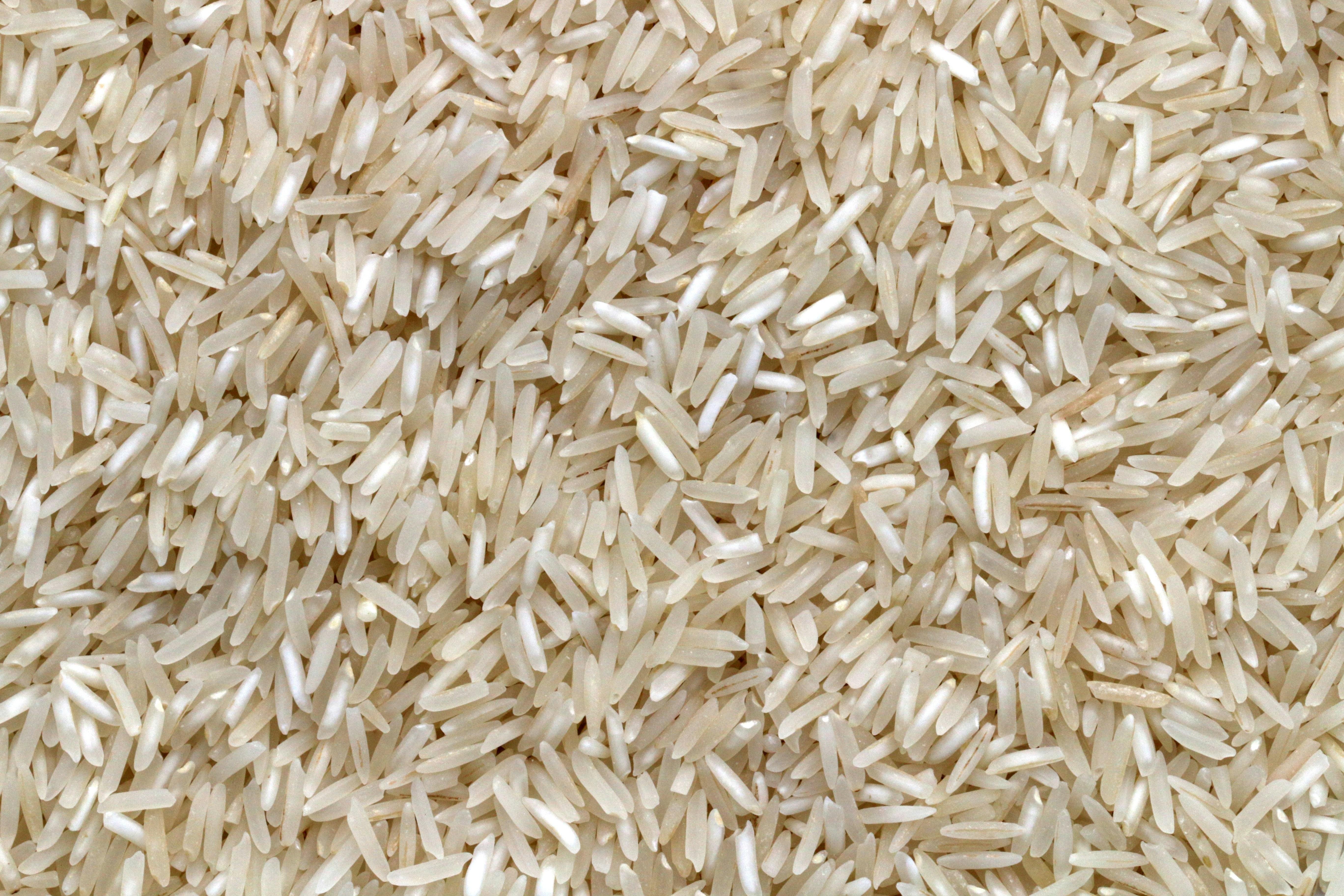
Exploring the Journey of Rice from Harvest to Processing
As the sun rises over vast fields of golden paddy,the journey of rice begins with the careful hands of farmers meticulously harvesting the ripened grains. Each stalk is a testament to the hard work and dedication poured into cultivating this staple food.After harvest, the rice undergoes a crucial dehusking process, which involves the removal of the inedible outer husk, revealing the precious grains within. Once separated, the rice is sorted to ensure quality, with only the best grains continuing onward for processing.The entire foundation of this journey revolves around a harmonious balance of tradition and technology,as modern machinery enhances the efficiency of age-old techniques,ensuring that every grain is ready to be transformed.
Once the rice reaches the processing plant, it embarks on a meticulous journey of refinement. Here, it encounters various stages designed to elevate its quality and flavor:
- Cleaning: Grains are cleaned to remove impurities such as stones and debris.
- Whitening: The outer layer of bran is polished away,enhancing texture.
- Sorting: advanced technologies, like optical sorters, ensure only the finest grains remain.
- Packaging: the rice is packaged in eco-pleasant materials, ready for distribution.
The emphasis on quality control at each step is evident, as the processing plant operates with a keen eye on both the grains and the ultimate goal: delivering exceptional rice from field to fork.
| Processing Stage | Description |
|---|---|
| Harvesting | Collecting mature paddy grains from the fields. |
| Dehusking | Removing the outer husk to reveal the grain. |
| Polishing | Smoothing the grain surface for better taste. |
| Packaging | Sealing the rice in eco-friendly bags for consumers. |

Technological Innovations Shaping Rice Processing Efficiency
Advancements in technology are revolutionizing how rice is processed, enhancing efficiency and sustainability at every stage of the supply chain. One of the pivotal innovations is the integration of automated machinery that streamlines various processes such as milling, polishing, and grading. These machines significantly reduce manual labor and boost precision in operations, ensuring that the rice maintains its quality while minimizing waste.additionally,the implementation of IoT (internet of Things) in rice processing plants allows for real-time monitoring of machinery,enabling predictive maintenance and reducing downtime,which ultimately leads to enhanced production rates.
Another remarkable advancement is the adoption of artificial intelligence (AI) and big data analytics. These technologies facilitate smarter decision-making by analyzing vast amounts of data gathered from production processes. For example, AI can predict optimal processing times and identify quality control issues before they arise, thereby reducing the likelihood of subpar end products. Furthermore, environmentally friendly practices are becoming increasingly feasible through tech innovations. Techniques such as water-saving systems and waste-to-energy processes are not only improving operational efficiency but also fostering a more sustainable approach to rice processing.
| Innovation | Benefit |
|---|---|
| Automated Machinery | Increased efficiency and reduced labor costs |
| IoT Integration | Real-time monitoring and predictive maintenance |
| AI & Big Data | Enhanced quality control and decision-making |
| Sustainable Practices | reduced environmental impact |
Quality Control measures Ensuring Safe and Nutritious Rice
To ensure that every grain of rice meets stringent safety and quality standards, processing plants implement a variety of meticulous quality control measures. The journey begins with a thorough incoming rice inspection, where samples are tested for moisture content, purity, and the presence of contaminants. Only rice that meets predetermined criteria is allowed to pass into the processing phase. Following this initial assessment, an array of technological and manual checks are employed throughout the production line. Key practices include:
- Color Sorting: advanced optical sorting technology identifies discolored grains or foreign materials.
- Metal Detection: Integrated sensors detect any metallic contaminants that may have inadvertently entered the process.
- Final Quality Assurance: Samples from each batch undergo lab testing for nutritional content and any potential microbial hazards.
Aside from technological interventions, the human element plays a critical role in maintaining safety and quality. Trained personnel conduct regular audits and engage in continuous training to remain updated on industry standards and safe handling practices. To illustrate the commitment to quality, here’s a simple breakdown of the quality control process:
| Quality Control Step | Description |
|---|---|
| Incoming Inspection | Assessment of rice for purity and moisture levels. |
| Processing Checks | Ongoing inspection for color and metal contamination. |
| final Testing | Laboratory analysis for nutritional quality and safety. |
Sustainable Practices for a Greener rice Production Future
Embracing sustainable practices is crucial for rice production to ensure the health of our planet and food security for future generations. Implementing crop rotation can enhance soil fertility and reduce pest outbreaks, allowing for healthier crops with fewer synthetic fertilizers and pesticides. Techniques such as integrated pest management (IPM) promote the use of natural predators and biopesticides, minimizing chemical input and thus protecting the surrounding environments. Additionally, practices like water management strategies, which involve optimizing irrigation through systems such as alternate wetting and drying (AWD), lead to considerable water savings and reduced methane emissions from rice paddies.
farmers can also benefit from adopting precision agriculture technologies, which utilize data analytics and satellite imagery to monitor crop health and manage resources more efficiently. These tools help in assessing nutrient needs and predicting pest infestations, ultimately optimizing yields while conserving inputs. Moreover, embracing organic farming methods not only fosters biodiversity but also strengthens the resilience of the local ecosystem. By fostering a circular economy through practices like composting and recycling agricultural waste, producers can significantly decrease their environmental footprint and bolster the sustainability of rice production.
Concluding Remarks
As we conclude this journey through the intricate pathways of the rice processing plant, we are left with a deeper thankfulness for the labor, technology, and dedication that transforms humble grains into the staple food that graces tables around the world.From the sunlit fields where rice is harvested to the sophisticated machinery that meticulously cleans, sorts, and packages it, each step is a testament to human ingenuity and resilience.
Understanding this process not only enhances our appreciation for the food we consume but also reminds us of the interconnectedness of agriculture, industry, and our own culinary experiences. The next time you savor a bowl of rice, envision the journey it undertook—from the fields of golden grains to the steaming serving dish. A world of effort lies behind that simple meal, reflecting the richness of tradition and innovation that drives us forward.
So, as we reflect on the threads that link us to our food, let’s celebrate the unsung heroes of the rice processing plant who ensure that we can enjoy this cherished staple, day in and day out. In every grain, there lies a story—one we now carry with us, from field to fork.



