
Inside the Paddy Processing Factory: From Field to Flour
Nestled between verdant fields where the golden grains sway gently in the breeze, a different kind of transformation awaits inside the paddy processing factory.While the sun-drenched paddies tell stories of meticulous cultivation and tireless labor, the factory stands as a testament to innovation and efficiency. Here, the journey of paddy—from its humble beginnings as a staple cereal grain in the field to its refined state as fine flour—unfolds through a meticulously choreographed process.This article invites you inside the factory doors to explore the fascinating interplay of tradition and technology, witnessing how nature’s bounty is carefully processed to meet the demands of kitchens and culinary enthusiasts around the world. Join us as we unveil the intricate steps that elevate paddy into a pantry staple, providing insight into the unseen world where grain meets grit in an age-old dance of agriculture and industry.
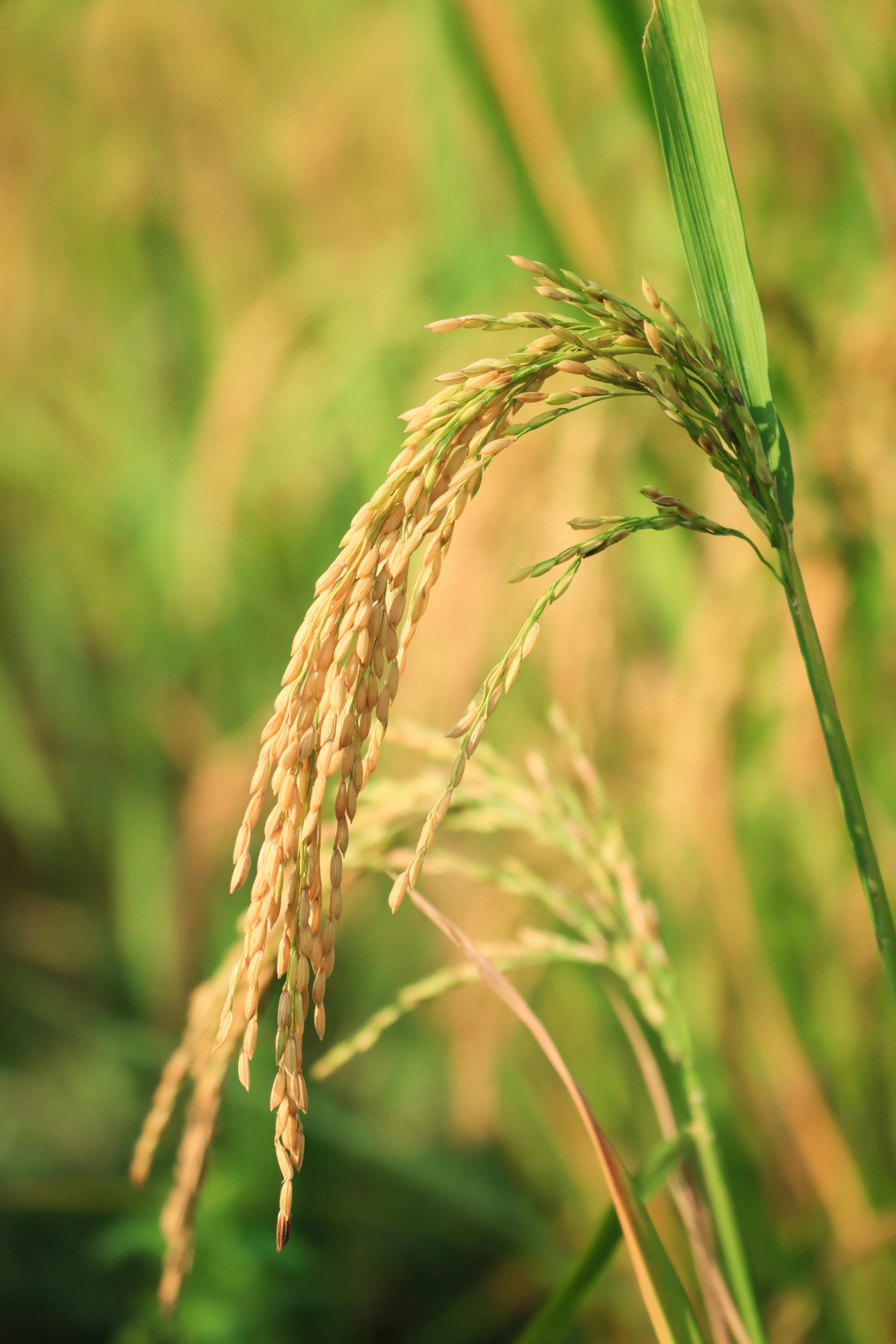
Understanding the Journey of Paddy: Cultivation to Harvest
The journey of paddy transforms from lush green fields to shiny grains, undergoing an intricate series of processes that ensure its readiness for consumption. Cultivation begins wiht the careful selection of high-quality seeds, which are sown in flooded fields—also known as paddies—where water protects young plants from weeds and pests.The farmers play a vital role in nurturing the crop, managing water levels, and controlling nutrient delivery to ensure optimal growth.Once the plants reach maturity,they are harvested using traditional or modern machinery,marking the first major milestone in their journey toward becoming vital staples for countless households.
After harvesting, the paddy enters the processing stage, where it undergoes cleaning and milling before being packaged for distribution. In a typical processing factory, the steps can be summarized as follows:
| Process Step | Description |
|---|---|
| Cleaning | Removal of impurities, dust, and broken grains. |
| Drying | Moisture reduction to prevent spoilage during storage. |
| Milling | Removing the husk and bran to obtain white rice. |
| Polishing | Enhancing appearance and texture of the rice. |
| Packaging | Sealing in bags for retail distribution. |
This meticulous attention to detail ensures that the final product not only meets quality standards but also retains nutritional value. With each grain processed, the essence of the paddy’s journey is encapsulated, reflecting the dedication of farmers and workers alike who contribute to every bite of rice consumed around the world.
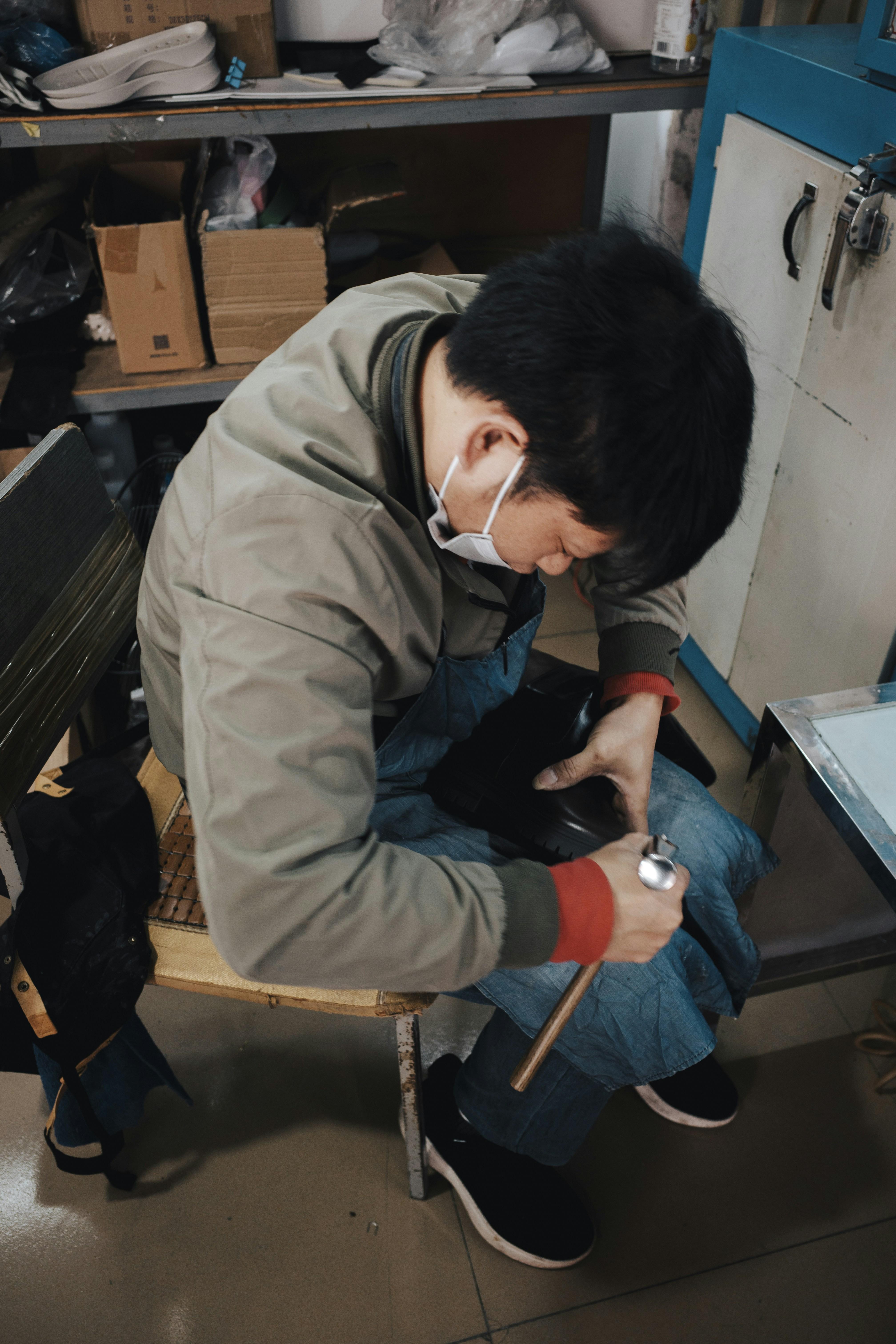
Unveiling the Processing Techniques: Milling and Beyond
As the journey of rice transitions from paddy to flour, milling stands out as a pivotal process that transforms the raw grain into a versatile ingredient. At the heart of this transformation, precision and efficiency drive the machinery that grinds, sifts, and polishes the rice to achieve the perfect texture and taste. This complex procedure ensures that the nutritional integrity of the grain is preserved while enhancing its usability in various culinary applications. Various milling techniques come into play, each tailored to meet specific end-product requirements, such as:
- Traditional Stone Milling: A gentle method that maintains many nutrients.
- Roller Milling: A modern approach for superior fine flour quality.
- Pin milling: Ideal for producing specific flour grades with distinct textures.
- Air Classification: Separating particles by size to ensure consistency.
Beyond milling, additional processes refine rice further, enhancing its flavor and usability. Parboiling, for instance, is an innovative technique where rice is soaked, steamed, and dried before milling. this not only improves the grain’s cooking characteristics but also boosts its nutritional profile, infusing it with essential vitamins and minerals.Other methods, such as color sorting and polishing, elevate the final product’s appeal by ensuring a uniform appearance.
| Processing Technique | Benefits |
|---|---|
| Parboiling | Enhances nutrient retention and improves cooking quality. |
| Color Sorting | Removes damaged or discolored grains for quality assurance. |
| Polishing | gives rice a glossy finish and improves shelf life. |
Quality Control Measures: Ensuring Excellence in Flour Production
In the journey from harvested paddy to refined flour, rigorous quality control measures play a pivotal role in maintaining the integrity of the product at every stage. At the heart of the processing factory, a series of checks and balances are implemented to ensure that only the highest-quality grains make the cut. Each batch undergoes a meticulous inspection that includes visual assessments for foreign materials and defects, thorough moisture content tests, and nutritional profiling to spark the interest of health-conscious consumers. These steps are critical not just for safety but also for delivering consistency in flavor and texture.
Equipped with advanced technology, flour producers utilize cutting-edge machinery for real-time monitoring. This includes automated sorting machines that leverage high-definition cameras, capable of detecting imperfections as small as a grain of sand.Moreover,statistical quality control methods are employed; data collected from each processing stage is systematically analyzed to identify patterns and implement improvements. Regular training sessions for the staff ensure that everyone is well-versed in the best practices for maintaining our high standards. The end result is a product that not only meets regulatory guidelines but also exceeds consumer expectations for quality and freshness.
Sustainable Practices in Paddy Processing: Balancing Efficiency and environment
In the realm of paddy processing, the integration of sustainable practices is not only a trend but a necessity for balancing productivity with ecological stewardship. Factories are increasingly adopting advanced technologies that minimize waste while enhancing the quality of rice produced.The use of energy-efficient machinery, such as solar-powered dryers and energy-saving mills, significantly reduces the carbon footprint associated with traditional methods. Meanwhile, practices such as recycling husk and straw back into the farming process create a closed-loop system, ensuring that byproducts contribute to the health of the soil rather than this waste ending up in landfills.
Moreover, water management plays a critical role in promoting sustainability in the paddy processing industry.Innovative techniques like drip irrigation and rainwater harvesting not only conserve water but also enhance cultivation efficiency. To illustrate the impact of these practices, consider the following comparison:
| Method | Water Usage (liters per kg of rice) | Environmental Benefit |
|---|---|---|
| traditional Irrigation | 3,000 | High Waste |
| drip Irrigation | 1,200 | Low Waste |
| Rainwater Harvesting | 800 | Resource Efficiency |
This table highlights how adopting cutting-edge irrigation methodologies can save a meaningful amount of water, which is crucial in regions facing water scarcity. By prioritizing such sustainable practices, paddy processing factories not only enhance their efficiency but also contribute to a healthier planet.
Final Thoughts
the journey from field to flour is a testament to the meticulous processes and dedication that define the paddy processing industry. As we’ve explored the intricate workings of the factory, it becomes clear that each grain of rice has a story to tell, shaped by both nature and human ingenuity. From the sun-drenched fields where paddy is cultivated, to the bustling machines that transform it into a staple of kitchens around the world, every step is crucial in ensuring quality and nourishment.
In a world where food security and sustainability are paramount, understanding these processes not only enlightens us about the origins of our daily sustenance but also fosters gratitude for the labor that goes into every bag of flour.As you reflect on the seamless journey of paddy to flour, consider the connections that bind agriculture, technology, and communities, and how they collectively contribute to the global tapestry of food production. The next time you sprinkle flour onto your countertop, remember the unseen labor and innovation that made it possible — a silent tribute to the journey of each humble grain.



