
From Grain to Goodness: Inside a Paddy Processing Plant
In the heart of agricultural landscapes, were fertile fields stretch toward the horizon, a remarkable transformation unfolds. Here, sun-kissed grains of rice journey from their humble beginnings as simple seeds to become the foundation of countless meals across the globe. The paddy processing plant stands as a vital gateway in this narrative, converting raw paddy into the polished grains that grace our tables. But what happens within the walls of this bustling facility? in this article, we will embark on an enlightening exploration of the intricate processes involved in rice milling, revealing the diligence and innovation that breathe life into this essential staple. Join us as we uncover the machinery, the expertise, and the commitment that turn grain into goodness, ensuring that every bite is not merely sustenance but a celebration of nature’s bounty.
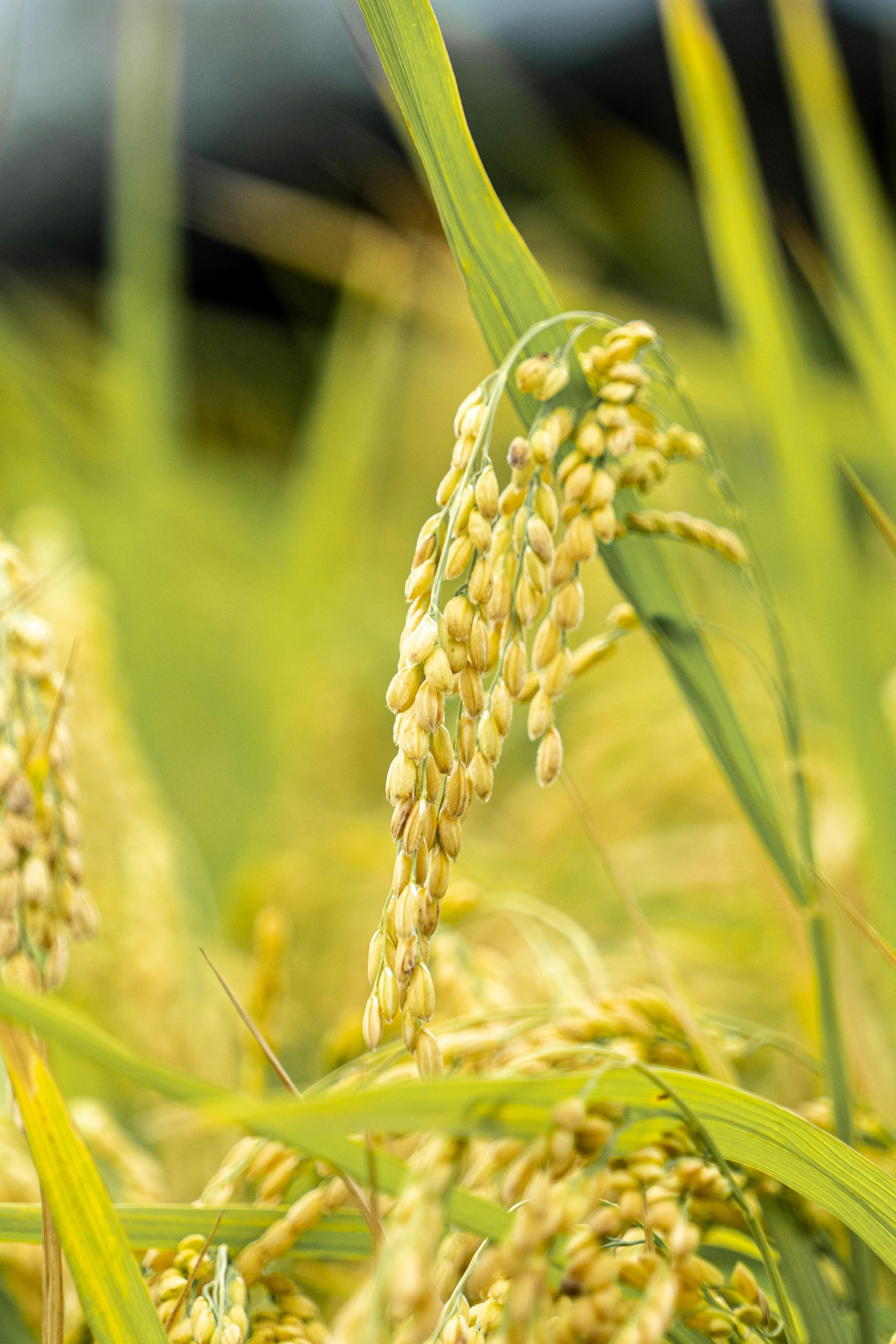
Exploring the journey of Rice from Field to Facility
As the sun rises over the lush fields, it heralds the beginning of a meticulous journey where each grain of rice is carefully nurtured from its humble beginnings. farmers, equipped with age-old techniques and modern machinery, cultivate this staple food that sustains millions. The rhythmic sound of harvesters slicing through stalks resonates in the air, a prelude to the intricate process that follows.Once harvested, paddy rice is transported to processing facilities, where it is indeed subjected to a transformation process that embraces both tradition and technology.
In the processing plant, the journey continues as rice undergoes several stages before it can be deemed ready for consumption.here, the grains are first cleaned, removing impurities such as husks and dust. The rice than transitions into the milling stage,where it’s hulled to separate the brown rice from the outer casing. This crucial phase is followed by polishing,which enhances the rice’s appearance while preserving its nutritional value. Remarkably, the entire process is a delicate balance that upholds the quality of rice and its vital role in our diets. Key stages of rice processing can be summarized as follows:
| Process Stage | Description |
|---|---|
| Harvesting | Collection of mature rice plants from the field. |
| Cleaning | Removal of foreign particles and impurities. |
| Milling | hulling to separate brown rice from husks. |
| Polishing | Enhancement of appearance and preservation of nutrients. |
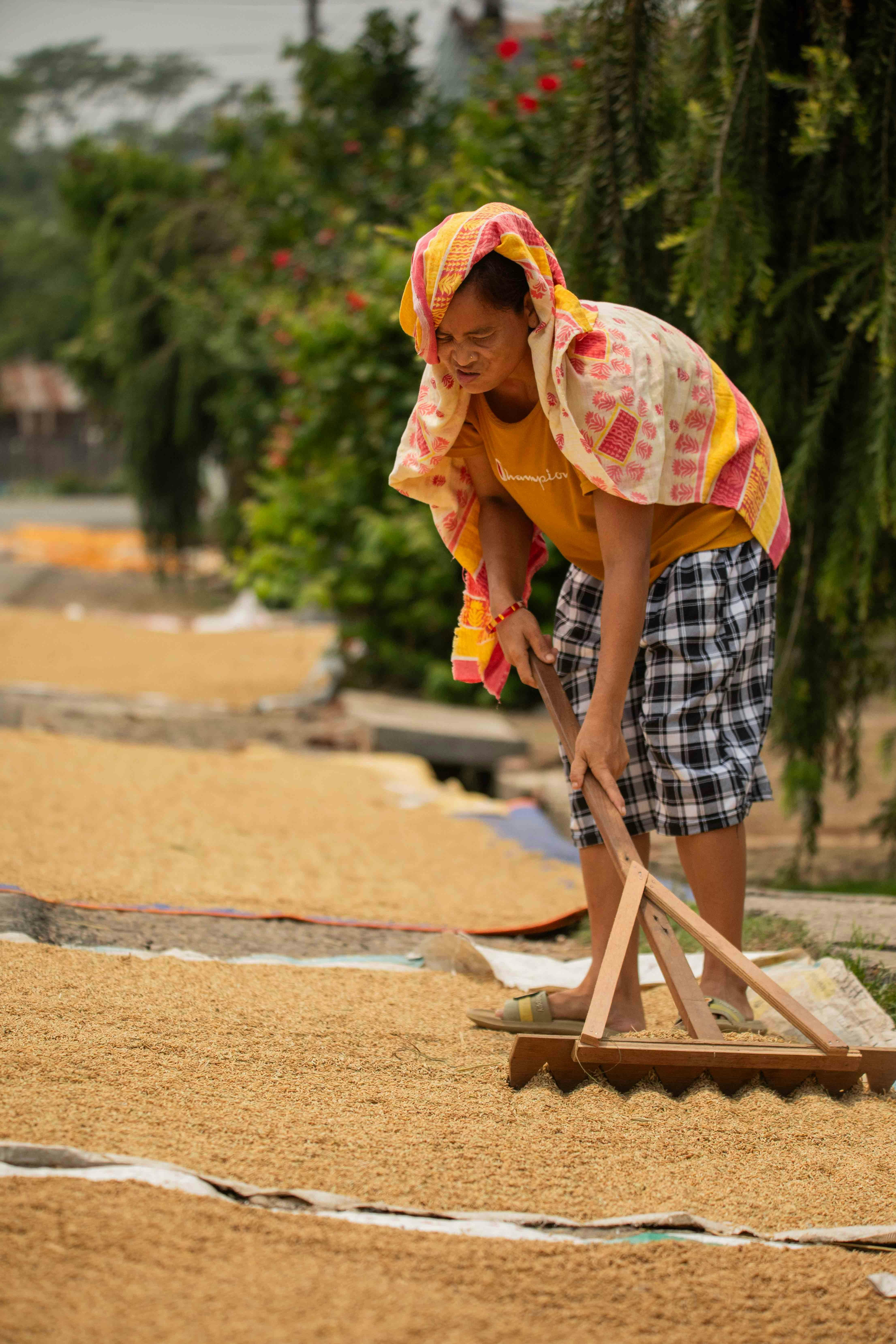
Understanding the Technology Behind Paddy Processing
The technology behind paddy processing is a sophisticated blend of traditional techniques and modern innovation, designed to transform raw paddy into rice that is safe, nutritious, and flavorful. At the heart of these facilities are advanced machinery and automated systems that enhance efficiency and yield. Key stages of the paddy processing journey involve:
- Cleaning: Removing impurities such as stones, dust, and unripe grains to ensure high-quality output.
- hulling: The process of separating the husk from the grain using hulling machines that exert precise pressure.
- Polishing: Enhancing the aesthetic appeal and storage quality of rice through gentle polishing techniques.
- Sorting: Utilizing color sorters and graders for the quality control of rice, segregating grains based on size and color.
Each step is crucial, but the interplay of automated technology and human expertise sets a processing plant apart. The following table outlines key equipment typically found in a paddy processing facility:
| Equipment | Function |
|---|---|
| De-stoner | Removes stones and heavy impurities from paddy. |
| Hulling Machine | Separates the hull from the paddy grain. |
| Polisher | enhances grain appearance and reduces moisture content. |
| Color Sorter | Eliminates discolored or damaged grains to ensure quality. |
this intricate network of processes and machinery works together to facilitate a seamless transition from farm to market, ensuring that every morsel of rice is a testament to quality and care.
Sustainability Practices in Modern Processing Plants
In the quest for efficiency and environmental obligation, modern paddy processing plants are embracing a multitude of innovative practices that not only enhance productivity but also safeguard our planet. By integrating enduring methods,these facilities minimize waste and reduce their carbon footprint. Utilizing energy-efficient machinery and renewable energy sources,such as solar or bioenergy,helps in considerably lowering greenhouse gas emissions.Moreover, many plants have adopted water recycling systems that treat wastewater and make it reusable for irrigation or other plant operations, ensuring that every drop counts.
Additionally, the procurement of raw materials is increasingly aligned with sustainable agriculture, prioritizing suppliers who practice organic farming or comply with fair trade standards. This commitment extends to the use of biodegradable packaging materials, further reducing plastic waste in the environment. Advanced technology plays a pivotal role, as many processing plants now employ smart sensors to monitor energy consumption and automated systems for precise resource management. The synergy of these practices fosters not just operational excellence but also a conscious effort towards ecological stewardship.
Enhancing Quality: Best Practices for Paddy Processing Efficiency
To achieve maximum efficiency and quality in paddy processing, it’s essential to implement a series of best practices that streamline operations from start to finish.One of the cornerstones of effective processing is maintaining optimal moisture content. Grain should be dried to the ideal level to prevent spoilage and ensure quality. Additionally, employing advanced machinery that features state-of-the-art cleaning and sorting technologies helps in removing unwanted impurities and ensuring only the highest grade paddy moves forward in the process. Regular maintenance of equipment not only prolongs their lifespan but also enhances productivity.
Moreover, fostering a culture of continuous enhancement among the workforce can significantly boost operational success. Training programs that focus on job skills, safety protocols, and quality control are invaluable. By engaging staff through regular workshops and feedback sessions, management can instill a sense of ownership which, in turn, promotes accountability and diligence.Creating a feedback loop allows for swift adaptations to the ever-evolving demands of the market. Below is a summarized representation of how various practices impact processing quality:
| Practice | Impact on Efficiency |
|---|---|
| Moisture Control | Prevents spoilage and enhances grain quality. |
| Regular Maintenance | increases machinery lifespan and reduces downtime. |
| Staff Training | Enhances productivity and fosters a safety culture. |
The Way Forward
As we draw the curtains on our exploration of the journey from grain to goodness within the bustling walls of a paddy processing plant, it becomes clear that each step in this intricate process is more than just a mechanical operation—it’s a symphony of nature and human ingenuity. From the golden grains swaying in the fields to the polished rice ready for our tables, every phase showcases an incredible harmony between tradition and technology, sustainability and efficiency.
We encourage you to appreciate not just the final product that adorns your plate, but the thoughtful journey it undertook to get there.The next time you savor a bowl of rice, take a moment to reflect on the industrious hands and sophisticated processes behind it—a testament to the labor and love poured into every morsel.
In our fast-paced world, let’s not forget to honor the simple yet profound connection we have with our food, rooted deeply in nature and crafted through dedicated endeavor. Thank you for joining us on this insightful journey through the heart of paddy processing. May it inspire a deeper understanding and gratitude for the grains that nourish us, fostering a mindful relationship with what we consume daily.



