
In a world where the nuances of food production often go unnoticed, the journey from grain too table is a tale of remarkable conversion and resilience. ”Transforming Grain: The Journey of Paddy Processing Revealed” delves deep into the intricate process that elevates humble paddy into a vital staple enjoyed across cultures. This exploration uncovers not just the mechanical and technological evolution involved in processing rice, but also the age-old traditions that continue to shape the way we interact with this essential grain. From the sun-soaked fields where paddy sways gently in the breeze to the bustling mills that breathe new life into harvested crops,join us as we illuminate the multifaceted pathways of paddy processing—revealing the labor,innovation,and artistry behind one of the world’s most cherished foods.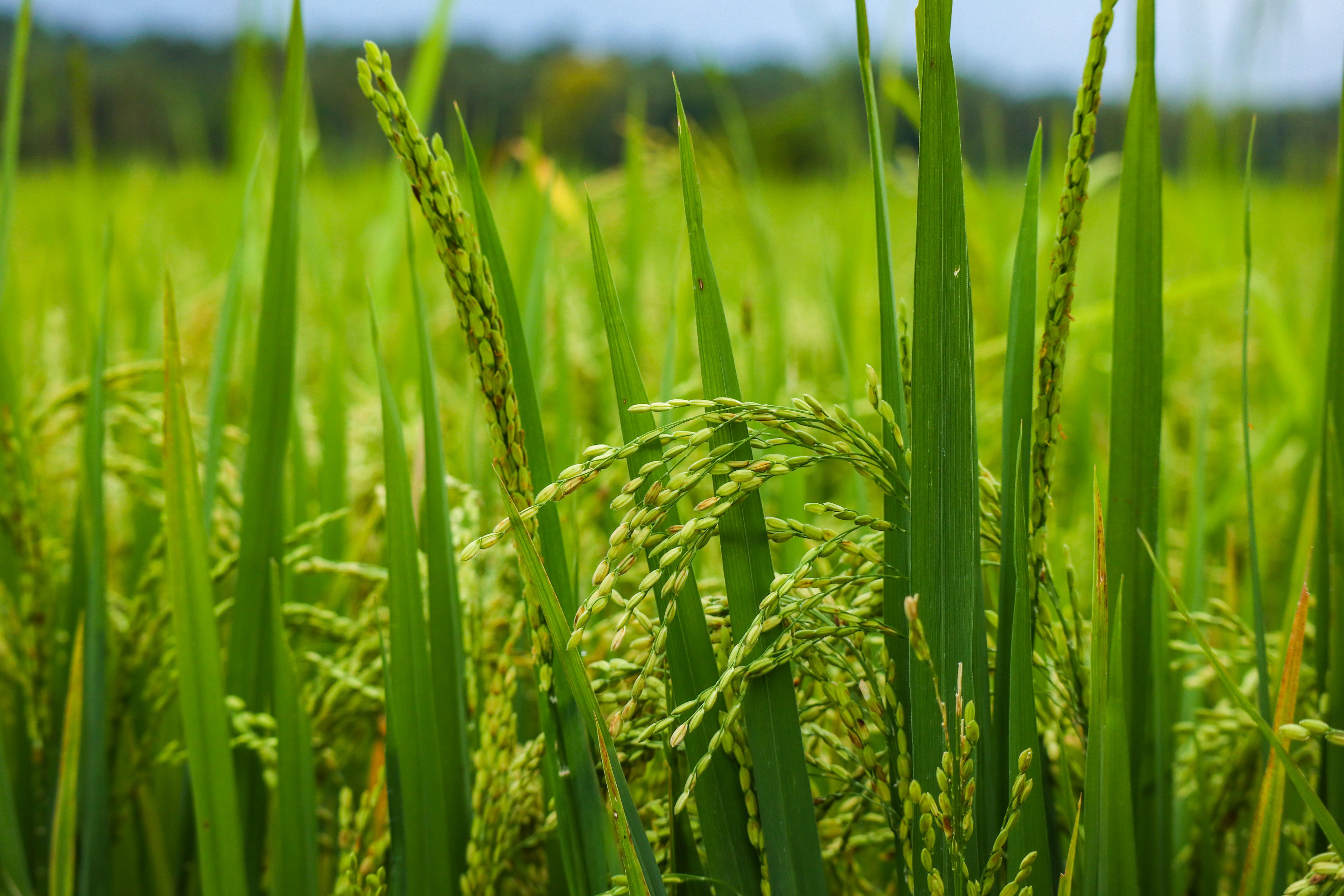
Understanding the Paddy Lifecycle from Field to Mill
The journey of paddy from the field to the mill is a captivating process that involves meticulous care and a series of stages, each contributing to the transformation of raw grain into a consumable product. Farmers begin by selecting high-quality seeds and preparing the land through proper tillage and drainage. Once the soil is ready, paddy seeds are sown in neatly organized rows. Water management plays a crucial role in this stage,as paddy fields need to maintain specific water levels for optimum growth. As the plants flourish, they undergo important biological changes, including tillering, flowering, and ripening, which are all crucial for yielding a bountiful harvest.
Harvesting is the most critical phase, where ripe paddy is carefully collected to ensure minimal damage. This is followed by the post-harvest processes that include drying, threshing, and milling. Each step is essential to preserve the quality of the rice. During drying, paddy is exposed to controlled conditions to prevent spoilage. Next, threshing separates the grains from the chaff, while milling transforms paddy into white rice through processes like husking and polishing.The final stages focus on quality assurance and packaging, allowing consumers to enjoy the rich and nutritious benefits of rice at their dining tables.
| Stage | Key Activities |
|---|---|
| Field Readiness | Soil tillage, seed selection |
| Growing | Water management, fertilization |
| Harvesting | collecting ripe rice, minimizing damage |
| post-Harvest | Drying, threshing, milling |

Exploring Traditional and Modern Processing Techniques
Paddy processing is a fascinating blend of age-old traditions and cutting-edge methods that both preserve the integrity of the grain and enhance its marketability. Traditionally, farmers relied on manual techniques, employing tools like mortar and pestle, which involved hours of laborious effort. These small-scale methods fostered a strong community connection and maintained a high level of quality control. in many cultures, the process was not just about the end product; it was a social event, with families and neighbors coming together. the steps frequently enough included:
- Harvesting: Gathering ripe rice stalks.
- Threshing: Separating grains from the stalks.
- Drying: Sun-drying to reduce moisture content.
As agricultural technologies advanced, modern processing techniques like mechanical threshers, dehuskers, and parboiling emerged, significantly increasing efficiency and output. These innovations not only expedite the processing time but also enhance the nutritional profile of the rice.For instance, parboiling helps retain essential vitamins and minerals while making the grains easier to process. Below is a comparison illustrating some key differences between traditional and modern techniques:
| Aspect | Traditional Processing | Modern Processing |
|---|---|---|
| Labor requirement | High | Low |
| Processing Time | Days | Hours |
| Nutritional Retention | Varies | Improved |
Enhancing Quality Through Innovative Post-harvest Practices
In the intricate dance of transforming paddy into high-quality grain, innovative post-harvest practices are vital in enhancing the overall quality of the final product. These practices go beyond mere processing, embracing technology and sustainable methods that preserve the integrity of the grain. Among these advancements, the following stand out for their effectiveness:
- Integrated Drying Systems: Employing advanced machinery that optimizes moisture levels, reducing spoilage and enhancing flavor.
- Sorting and Grading Technologies: Utilizing laser and optical sorting to ensure only the best grains make it to market.
- Biological Treatments: Introducing eco-friendly agents that eliminate pests and pathogens without harmful chemicals.
Furthermore, efficient storage solutions play a critical role in maintaining grain quality during the supply chain. The use of controlled atmosphere storages can significantly prolong shelf life and preserve nutritional properties, vital for both producers and consumers. Below is a summary of key storage innovations:
| Storage Method | Benefit |
|---|---|
| Controlled Atmosphere | Reduces spoilage and maintains grain quality |
| Silica Gel Packets | Absorbs moisture, preventing mold growth |
| Modular grain Bins | Facilitates better air circulation and temperature control |
By adopting these innovative techniques, the paddy processing journey not only maximizes yield but also ensures that quality is upheld at every stage, ultimately leading to a safer and more nutritious product for consumers worldwide.
Sustainable Solutions for efficient Paddy Processing
Paddy processing has evolved significantly in recent years,AS sustainable practices emerge as vital components in optimizing both efficiency and environmental conservation.Utilizing renewable energy sources, such as solar power and biomass, not only reduces the carbon footprint but also minimizes operational costs. Additionally, the adoption of eco-friendly equipment enables millers to achieve higher output with lower energy consumption.Here are some innovative techniques reshaping the industry:
- Water-efficient milling processes that recycle and minimize water usage
- Waste-to-wealth strategies that turn by-products into valuable resources, such as biofuel and organic fertilizers
- Precision agriculture technologies that enhance yield while reducing chemical inputs
Furthermore, the incorporation of technological advancements is transforming how paddy is processed, ensuring a leaner, more sustainable approach. Farmers are increasingly relying on mobile applications to track crop health and market prices, while smart milling systems use data analytics to optimize production workflows. The comparison of traditional versus modern methods highlights the significant advancements made:
| Aspect | Traditional Methods | Modern Methods |
|---|---|---|
| Energy Consumption | High | Low with renewables |
| Water Use | Excessive | Recycled and reduced |
| By-product Utilization | Discarded | Converted into biofuels and fertilizers |
Concluding Remarks
As we draw the curtains on our exploration of “Transforming Grain: The Journey of Paddy Processing Revealed,” we find ourselves at the nexus of tradition and innovation. The journey of paddy, from the verdant fields swaying beneath the sun to its final form gracing our tables, is a testament to humanity’s ingenuity in harnessing nature’s bounty. Each phase of the processing,adorned with its own set of challenges and breakthroughs,underscores the delicate balance between preserving heritage and embracing technological advancements.
As we reflect on this intricate tapestry—woven from the threads of agriculture,science,and culture—we are reminded that every grain of rice carries with it a story,one of hard work,determination,and transformation. This journey not only nourishes our bodies but also connects us to a broader narrative of global food systems and sustainability.
In understanding the meticulous art and science behind paddy processing, we engage with a process that is foundational to countless cuisines and communities worldwide. May this deeper appreciation inspire us to celebrate the humble grain in all its forms, elevating our culinary experiences while honoring the processes that have cultivated it through generations. With each forkful, we partake in a legacy that continues to evolve, inviting us to be mindful participants in the journey of our food.



