
Unlocking Potential: the Inner Workings of a rice mill plant
In the heart of agricultural landscapes, where golden fields stretch towards the horizon, lies an industrious hub that transforms humble grains into a staple of global cuisine—rice mills.These plants, often unnoticed by the casual observer, play a pivotal role in the food supply chain. They embody a delicate balance of tradition and innovation, where ancient agricultural practices meet modern technology in a symphony of machinery and meticulous labor. This article invites you to journey behind the scenes and explore the intricate processes that breathe life into every grain of rice, from harvest to packaging. As we unlock the potential of rice mill plants, we will discover not only their essential functions but also the stories woven into the very fabric of our daily meals. Join us as we delve deep into the inner workings of these vital facilities, revealing the craftsmanship that lies beneath the surface and the impact they have on economies and communities around the globe.
Understanding Rice Milling Technology and Processes
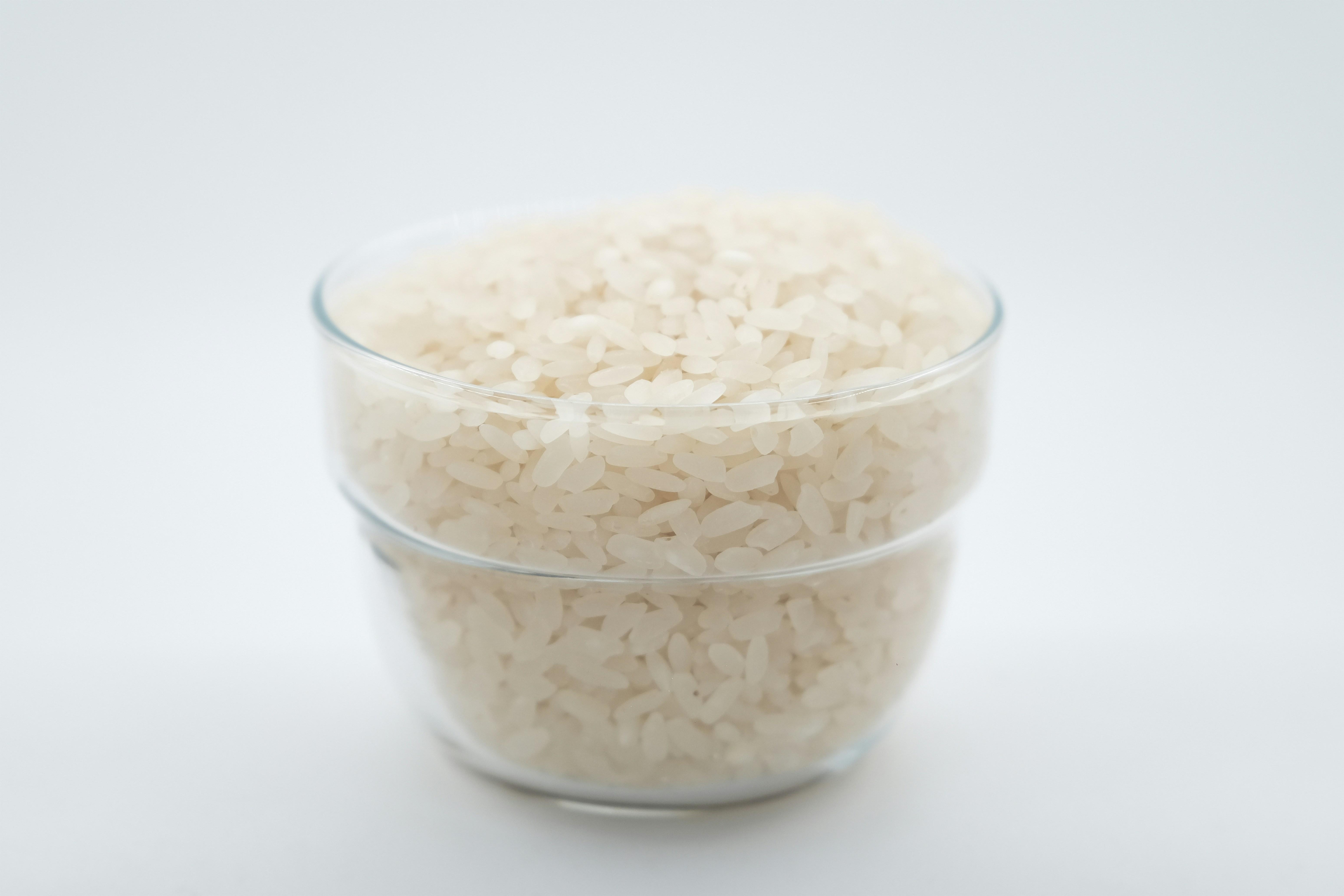
In the heart of every rice mill plant lies a refined interplay of technology and precise processes designed to transform paddy into polished rice. The journey begins with receiving and cleaning, where paddy is sorted for quality and foreign materials are removed. Once cleaned, the grains undergo hulling, a crucial step that separates the husk from the edible grain. This is typically performed using a combination of mechanical action and airflow. Following hulling, the rice is subjected to milling, which effectively removes the bran layer, revealing the white rice underneath. This multifaceted procedure not only enhances the aesthetic quality of the rice but also significantly affects its nutritional profile.
After milling, the rice requires an additional layer of processing known as grading and polishing.During this phase,the rice is sorted by sizes and quality,ensuring uniformity in the final product. Modern rice mills often utilize a combination of automated systems and traditional methods to enhance efficiency and reduce waste. Common technologies deployed include jet impingement for polishing,which minimizes physical damage while maximizing shine,and color sorting machines that detect and eliminate off-color or defective grains. To visualize these processes more clearly, the table below highlights key elements of the milling stages:
| Stage | Process | Purpose |
|---|---|---|
| Receiving and Cleaning | Sorting, removal of impurities | Quality enhancement |
| Hulling | Separation of husk from grain | edible grain extraction |
| Milling | Removal of bran layer | Polished rice production |
| Grading and Polishing | Sorting by size and quality | Uniformity and aesthetic appeal |

Optimizing Efficiency in Rice Mill Operations
Efficiency in rice milling relies heavily on a combination of modern technology and optimized workflow. Implementing innovative machinery such as automated rice huskers and polishers can greatly reduce processing time and enhance product quality. Moreover, engaging in real-time monitoring of critical parameters, such as temperature and moisture levels, ensures that every batch produces consistently high-quality rice. By employing data analytics, mill operators can identify bottlenecks and adjust operations proactively to maintain flow.
Additionally,staff training and maintenance routines play crucial roles in maintaining optimal efficiency.Instituting a scheduled maintenance program can prevent unexpected downtimes and extend the life of machinery. here are some key aspects to focus on:
- Cross-training personnel: Staff who are skilled in multiple areas can adapt smoothly in case of absences.
- Standard Operating procedures (SOPs): documenting processes ensures consistency in operations.
- Regular safety drills: prepare employees for emergencies to ensure a safe working environment.
| Maintenance Activity | frequency | Responsible Party |
|---|---|---|
| Machine Inspection | Weekly | Maintenance Team |
| Calibration of Equipment | Monthly | Quality Control |
| Staff Training Sessions | Quarterly | Operations Manager |
Sustainability Practices in Modern Rice Processing
in the quest for eco-friendliness, modern rice mills are embracing innovative sustainability practices that cater to both environmental stewardship and operational efficiency. By integrating advanced technology, these facilities are minimizing waste while maximizing resource efficiency. Key methods include:
- Energy Recovery: Utilizing innovative systems that capture and reuse energy generated during processing.
- Water Conservation: Implementing recycling processes that ensure minimal water wastage, crucial in regions facing water scarcity.
- Waste Management: Converting by-products like husk and bran into biofuels or organic fertilizers,transforming waste into valuable resources.
Furthermore, the modernization of equipment enhances productivity without compromising ecological principles. Milling techniques that reduce breakage produce lower quantities of waste, which not only increases yield but also supports a circular economy. An essential component of these practices is adopting sustainable sourcing for raw materials. By partnering with local farmers who abide by sustainable agricultural practices, rice mills are fostering a connection that ensures quality while supporting community resilience. A brief overview of sustainability metrics can be illustrated in the table below:
| Metric | traditional Mills | Sustainable Mills |
|---|---|---|
| Energy Use (kWh/ton) | 160 | 100 |
| Water Consumption (liters/ton) | 3000 | 1500 |
| Waste Conversion rate (%) | 20 | 85 |
These advancements illustrate how the integration of sustainability principles not only addresses environmental impact but also reinforces the rice milling industry’s commitment to a greener future.
Enhancing quality Control and Product Consistency
In a rice milling operation, maintaining strict quality control ensures that consumers receive a consistently high standard of product. This is achieved through a multi-layered approach that encompasses various stages of processing. Each phase, from the initial intake of raw paddy to the final packaging, is closely monitored using advanced technologies and manual inspections to reinforce quality. Key practices include:
- Regular Sampling: Samples are collected at different processing stages to assess grain quality.
- Moisture Measurement: This prevents spoilage and maintains optimal storage conditions.
- Visual Inspections: Trained personnel inspect grains for defects, discoloration, and foreign materials.
Furthermore, product consistency is bolstered through standardized operating procedures (sops) and meticulous calibration of milling equipment. Implementing technology such as automated sensors not only improves efficiency but also facilitates real-time adjustments ensuring consistent outcomes. The integration of a software system allows for:
- Data Collection: Keeping track of operational parameters and product data.
- Performance Analysis: identifying trends and areas needing improvement.
- Traceability: Ensuring every batch of rice can be traced back for quality assurance.
Future Outlook
As we draw the curtain on our exploration of the intricate world of rice milling, it becomes clear that this seemingly straightforward process is a symphony of engineering, tradition, and innovation. Each grain of rice holds within it the potential for sustenance, culture, and community, and the rice mill stands as a vital bridge connecting the fields to our tables.
From the meticulous selection of paddy to the precision of milling techniques, every step plays a crucial role in unlocking the full potential of this staple crop. With advancements in technology and sustained dedication to sustainable practices, the future of rice milling not only respects its rich heritage but also embraces the promise of efficiency and quality.
As we reflect on the inner workings of rice mill plants, we are reminded of the countless hands that contribute to this process, ensuring that we receive only the best. In a world where food security is paramount, understanding the hidden complexities of rice milling empowers us all—producers, consumers, and advocates alike. Let us continue to celebrate and support the journey of rice from plant to plate, honoring the intricate craftsmanship that enables this vital grain to nourish us across generations.



