
The Art and Science of Corn processing: From Farm to Table
in the heart of rural America, golden fields wave gently in the breeze, their stalks reaching towards the sun like countless green fingertips. Corn, a staple of both sustenance and culture, has wandered far from its origins as a simple grain. Today, it embodies a complex tapestry woven from tradition, innovation, and necessity. The journey of corn from farm to table encapsulates not only agricultural practices, but also the synergy of art and science in food processing. As we delve into this intricate process, we uncover the transformation of humble kernels into the myriad products that grace our plates. From the careful hands of farmers tending to the crops,through the advanced technologies employed in processing facilities,to the culinary creativity that shapes our meals,each stage is a testament to human ingenuity and respect for nature. Join us as we explore the fascinating interplay between tradition and modernity,unveiling the remarkable journey of corn that nourishes the body and inspires the palate.
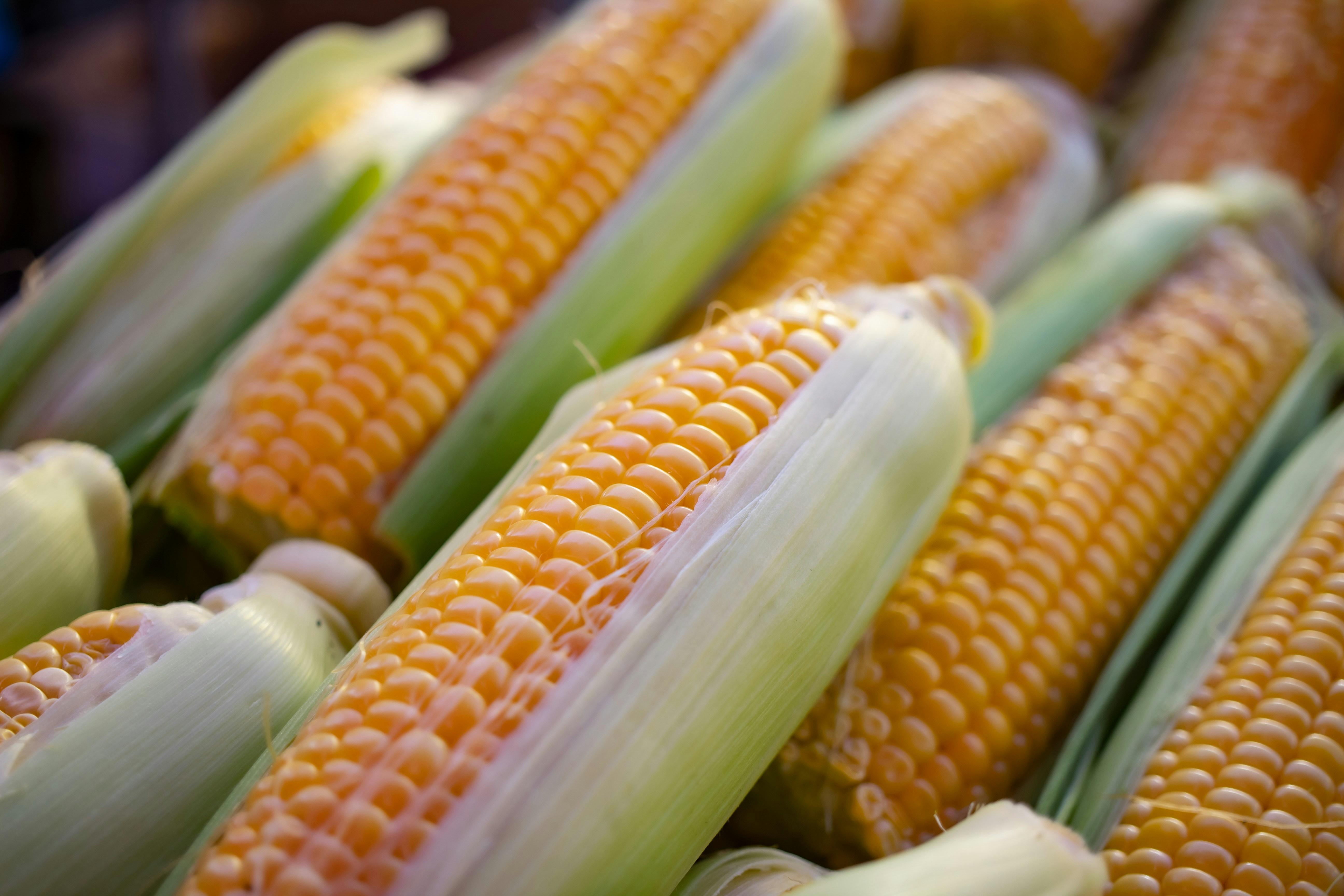
Exploring the Journey of Corn: From Field Cultivation to Culinary Delight
Corn, frequently enough referred to as “maize,” embarks on a transformative journey that begins in rich, loamy fields where it thrives under the nurturing sun and gentle rains. Farmers engage in a delicate balance of art and science, employing techniques that range from soil health management to precision planting. As the corn matures, its golden kernels swell with potential, ready to be harvested. The process involves not only customary harvesting but also the integration of modern technology, such as GPS-guided machinery that ensures optimal yield and minimal waste. Key steps in this journey include:
- Soil Preparation: Ensuring optimal conditions for germination.
- Planting Techniques: Utilizing row spacing and planting depth for maximum growth.
- Pest and Weed Management: Implementing sustainable practices to protect crops.
- Harvesting: Timing the harvest to achieve peak flavor and quality.
After harvesting, the journey continues with processing methods that enhance the corn’s usability in various culinary applications. From milling to create cornmeal and flour, to refining for products like popcorn and tortillas, each stage of processing unlocks new flavors and textures. This is where the science of food processing melds into the art of cooking, providing the foundation for a diverse array of dishes enjoyed around the globe. A speedy overview of some common corn products can be summarized as follows:
| Product Type | common Uses |
|---|---|
| Cornmeal | Breading, Polenta, Muffins |
| popcorn | Snacks, Movie Treats |
| Tortilla | Wraps, Tacos |
| Corn Syrup | Sweetener in Desserts, Sauces |
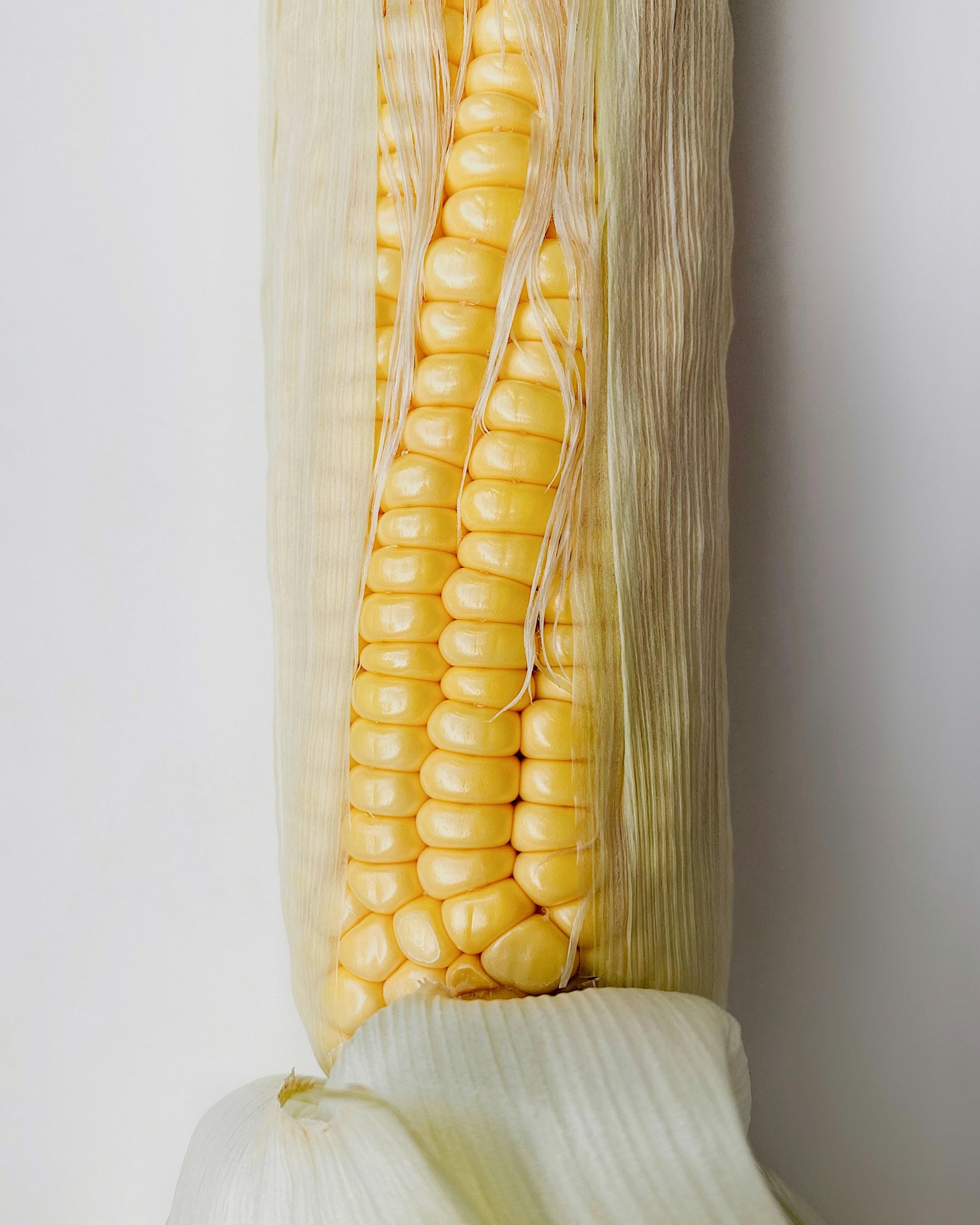
Understanding Corn Varieties: The Key to Optimal Processing Techniques
Understanding the different varieties of corn is crucial for optimizing processing techniques, as each type possesses unique characteristics that dictate its best uses. Field corn, for example, is primarily grown for animal feed and industrial products due to its high starch content. In contrast, sweet corn is cultivated for human consumption, prized for its sugary flavor and tender kernels. Other noteworthy varieties include flint corn, known for its hard kernels and resistance to rot, often used in making polenta, and dent corn, characterized by its dented crown after drying, ideal for milling into flour. A nuanced understanding of these varieties can aid producers in selecting the right type of corn for specific processing needs, enhancing both efficiency and flavor profiles.
Moreover, the selection of corn varieties affects subsequent processing methods, which range from drying and grinding to fermentation and extrusion. Each technique may require specific properties inherent to the chosen corn type. For example:
- Grinding: Ideal for dent corn due to its soft starch, making it easy to mill for flour.
- drying: Field corn’s tough exterior makes it suitable for storage and long-term use.
- Fermentation: Sweet corn can be transformed into tasty syrups or beverages when properly processed.
when choosing a method of processing, it’s essential to consider the functional and sensory properties of each corn variety. The table below illustrates these key differences:
| Corn Variety | Ideal Processing Use | Key Characteristics |
|---|---|---|
| Field Corn | Animal Feed, Industrial Products | High starch content, drought-resistant |
| Sweet Corn | Human Consumption | High sugar content, tender kernels |
| flint Corn | Polenta, decorative uses | Hard kernels, rot-resistant |
| Dent Corn | Flour milling | Dented crown, soft starch |

Innovative Processing Methods: Transforming Corn for Diverse Applications
In recent years, innovative processing methods have emerged as game-changers in the culinary and industrial worlds alike.The traditional practices of corn processing have evolved to include advanced technologies that enhance efficiency and open avenues for diverse culinary applications.Techniques such as dry milling, wet milling, and extrusion allow for tailored outcomes that meet specific market demands. dry milling is favored for producing flour and grits,while wet milling focuses on maximizing the extraction of starches,proteins,and fiber,showcasing the versatility of corn as a raw ingredient. Extrusion, conversely, introduces a unique way of transforming corn into snacks and cereals, ensuring texture and flavor are optimized to cater to consumer preferences.
These innovative methods not only transform the basic elements of corn but also create opportunities for sustainability in various industries. By utilizing bioprocessing techniques, manufacturers can convert corn into biodegradable materials and biofuels, opening new markets while minimizing environmental impacts.Innovations like supercritical fluid extraction provide avenues for extracting natural flavors and nutrients, broadening the spectrum of corn-derived products available on the market. These advancements contribute to a redefined understanding of corn, positioning it as a vital resource in the quest for sustainable and health-conscious food systems.
| processing Method | Primary Use | Benefits |
|---|---|---|
| Dry Milling | Flour and Grits | Efficient use of whole grain |
| Wet Milling | Starch and Sweeteners | High yield of corn derivatives |
| Extrusion | Snacks and Cereals | Enhanced texture and nutition |
| Bioprocessing | Biodegradable Plastics | Eco-friendly alternatives |
Sustainable Practices in Corn Production: Balancing Quality with Environmental Responsibility
In the modern agricultural landscape, the integration of sustainable practices into corn production is essential for ensuring both quality and ecological integrity. Farmers are increasingly adopting innovative methods to not only enhance yield but also protect the habitat. These practices include:
- Crop Rotation: Rotating corn with legumes or other crops helps improve soil health and reduce pest infestations.
- Cover Cropping: Utilizing cover crops during the off-season minimizes soil erosion and enhances nutrient retention.
- No-Till Farming: This technique reduces soil disturbance, promoting biodiversity and carbon sequestration in the soil.
- Precision agriculture: Leveraging technology to monitor soil conditions and optimize inputs minimizes waste and increases crop resilience.
Moreover,consumer awareness and demand for sustainably-produced corn have led producers to prioritize environmental responsibility alongside quality. By implementing eco-friendly pest management, such as integrated pest management (IPM) practices, farmers are able to minimize chemical use while ensuring healthy crops. Consider the following table that highlights key sustainability metrics in corn production:
| Practice | Environmental Impact | quality Benefits |
|---|---|---|
| Crop Rotation | Enhances soil fertility | straighter, more uniform plants |
| Cover Cropping | Reduces erosion and runoff | Improved nutrient availability |
| No-Till Farming | Lowered carbon footprint | Better moisture retention |
| Precision agriculture | Efficient resource use | Higher quality harvests |
As sustainable practices reshape the corn production landscape, the balance between agricultural success and environmental stewardship becomes increasingly vital.Through these methods, farmers are not only contributing to ecosystem health but also enhancing the quality of the corn that ultimately reaches our tables.
The Way Forward
the journey of corn from farm to table is a captivating blend of art and science that underscores the profound connection between agriculture and culinary innovation. As we’ve explored, each step of the processing chain, from seed selection and cultivation to harvesting and transformation, plays a vital role in shaping the final product we enjoy on our plates. The alchemy that occurs in processing facilities, where raw kernels undergo chemical and mechanical changes, reflects the endless possibilities that corn offers to chefs and consumers alike.
As we become more aware of food origins and processing techniques, let us appreciate the craftsmanship involved in bringing corn to our tables. Whether in the form of a fresh corn salad, creamy polenta, or a hearty corn tortilla, every dish tells a story of hard work, dedication, and creativity. As we savor the diverse flavors and textures of corn-based foods, we can celebrate not just the nourishment they provide, but also the intricate tapestry of tradition, science, and innovation that makes it all possible. Corn,in all its forms,remains a testament to humanity’s ingenuity and the enduring bond we share with the land. As you enjoy your next corn-inspired meal, take a moment to reflect on this incredible journey and the artistry that accompanies it.



