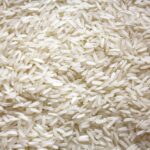
In the heart of agricultural landscapes, where golden fields sway gently in the breeze, a transformative wave is quietly reshaping the way we approach rice production.enter the era of mini rice mill plants—compact powerhouses that embody innovation and efficiency, designed to empower farmers and elevate local economies. As global populations rise and the demand for staple foods intensifies,these small-scale milling solutions are not just about processing grains; they represent a profound shift towards sustainability,accessibility,and community-driven agricultural practices. With lower investment costs and the ability to operate in diverse environments, mini rice mill plants are emerging as vital tools in the quest for food security and economic resilience. This article delves into the burgeoning trend of mini rice mills, exploring thier impact on farmers, local communities, and the global rice market, all while highlighting their potential to cultivate a more prosperous future.
Innovative Technology Driving mini rice mill Plants
The landscape of rice milling is undergoing a transformative shift, thanks to cutting-edge advancements that are redefining how mini rice mill plants operate. By integrating smart technologies, these plants are not only enhancing productivity but also ensuring sustainability in rice processing. Innovations such as automated milling units, precision grain sorting, and real-time moisture monitoring are commonplace in modern systems. These technologies allow for greater efficiency, reduced waste, and optimal grain quality. Farmers are now able to process their produce on-site, minimizing transportation costs and time delays.
Furthermore, the incorporation of cloud computing and data analytics in mini rice mill operations facilitates more informed decision-making.With these tools, mill operators can track performance metrics, manage inventory efficiently, and forecast demand. the use of solar energy solutions is also gaining traction, allowing for sustainable power supply while reducing operational costs. The benefits are evident in the remarkable rise in processing capabilities, with many plants reporting increases in output without a corresponding rise in energy consumption. As the industry continues to evolve, these innovative technologies are set to play a crucial role in driving economic growth and food security globally.

Sustainability and Efficiency in Small-Scale Rice processing
The implementation of small-scale rice processing plants is transforming the landscape of sustainable agriculture. By utilizing cutting-edge technology and eco-kind practices, these mini rice mills are not only boosting efficiency but are also reducing waste and energy consumption.With an emphasis on local sourcing and minimal transportation requirements, these units can considerably lower their carbon footprint while providing fresh, high-quality rice to local communities. Key practices that contribute to this sustainability model include:
- renewable Energy sources: Many mini rice mills are adopting solar panels to power operations, thus reducing reliance on non-renewable energy.
- Waste Reutilization: The by-products of rice processing, such as husks and bran, are recycled for animal feed or biofuel production.
- Water Conservation Techniques: Advanced milling technology minimizes water usage, making operations more sustainable.
The efficiency of these establishments is exemplified by the compactness of their operations, which allows them to quickly adapt to local demands. Unlike large-scale mills, mini plants are designed to handle smaller batches, ensuring less waiting time and fresher output.Furthermore,through optimized milling processes,they can achieve a higher yield of whole grains while minimizing broken rice.The benefits of such operations can be clearly illustrated in the following table:
| Aspect | Small-Scale Rice Mills | Large-Scale Mills |
|---|---|---|
| Carbon footprint | Low | High |
| energy Use | Renewable Options Available | Primarily Fossil Fuels |
| Community Impact | High (Local Job Creation) | Moderate |
| Waste Management | Recycling and Reusing | standard Disposal |
Economic Benefits for Farmers and Local Communities
The establishment of mini rice mill plants has ushered in a new era of financial prosperity for farmers and their communities. By offering local processing capabilities, these mills significantly reduce the need for farmers to transport their harvests to distant facilities, thereby minimizing transportation costs and time. In addition, farmers benefit from higher profit margins since they can process and market their rice directly to consumers without intermediary exploitation. This local processing empowers them to maintain quality control and create niche products, enhancing their marketability.
Furthermore, the presence of mini rice mill plants stimulates local economies by fostering job creation and promoting entrepreneurship.The following highlights the pivotal economic advantages:
- Job Creation: Each mini mill requires skilled and unskilled labor, providing employment opportunities to local residents.
- Investment in Local Infrastructure: The establishment of these mills encourages improvement in local roads and utilities,benefiting the entire community.
- Support for Local Farmers: By providing a reliable processing facility,farmers are encouraged to increase production,leading to greater food security.
- Boost in Local Market: Increased local processing activities promote the purchase of ancillary goods and services, invigorating various sectors.
Future Trends: Embracing Automation and Smart Solutions
As the agricultural landscape evolves, the integration of cutting-edge technologies into rice milling processes is paving the way for unprecedented advancements. mini rice mill plants are increasingly incorporating automation to enhance productivity and efficiency. These systems allow for streamlined operations that reduce labor costs while maintaining high-quality output. The shift towards smart solutions, such as data-driven analytics and IoT connectivity, enables farmers and entrepreneurs to monitor processes in real time, ensuring optimal performance and swift decision-making. This embrace of innovation not only helps in maximizing yield but also promotes sustainability by minimizing waste and energy consumption.
Furthermore,the future of rice milling is shaped by a growing emphasis on product flexibility and customer-centric approaches. mini rice mill plants equipped with versatile machinery are designed to accommodate a variety of rice types and processing needs,making them ideal for small-scale operations. As consumer preferences shift toward organic and specialty rice products, the ability to adapt quickly becomes essential. Additionally, the rise of cloud-based solutions facilitates better supply chain management, allowing businesses to efficiently track inventory levels and market demand through integrated platforms that connect all stakeholders. This revolutionary focus on technology and adaptability positions mini rice mill plants as a crucial element in the modern agricultural economy.
| Feature | Benefit |
|---|---|
| Automation | Increased efficiency, reduced labor costs |
| IoT Connectivity | Real-time monitoring and decision-making |
| Product Flexibility | Adaptable to various rice types and consumer demands |
| Cloud-based Solutions | Improved supply chain management |
Concluding Remarks
As we conclude our exploration of the burgeoning trend in mini rice mill plants, it is indeed evident that these compact units are more than just a nod to modern agricultural innovation; they represent a transformative shift in the rural landscape. By empowering local farmers and communities, mini rice mills are demystifying the process of rice production, making it more accessible and economically viable.
With greater control over quality, reduced post-harvest losses, and the ability to cater to local markets, these small-scale mills stand as a beacon of hope for sustainable agriculture and rural development. As we look to the future, it’s clear that the rise of mini rice mill plants is not just a story of technological advancement—it’s a narrative of empowerment, resilience, and community-driven growth.
In the intricate tapestry of global food production, may the threads woven by these innovative mills strengthen not only economies but also the connection between the land and its caretakers. As we continue to harvest ideas for sustainable practices and equitable solutions, mini rice mills could very well symbolize the power of small changes leading to critically important impacts in the world of agriculture.