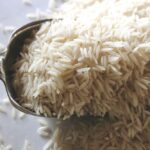
In the heart of agricultural landscapes, where vibrant fields of golden grain stretch to the horizon, the unsung heroes of the rice industry work tirelessly to transform raw kernels into staple sustenance for millions. Rice mills, intricate machines of craftsmanship and technology, play a pivotal role in ensuring that the grains that nourish our bodies are of the highest quality. But how does one sift through the myriad options to discover the finest rice mills delivering the best grains? In “Unveiling the top Rice Mills: A guide to Quality Grains,” we embark on a journey through the world of rice milling, exploring the key players that stand out for their commitment to quality, innovation, and sustainability. Whether you’re a culinary enthusiast seeking the perfect basmati for your next dish or a health-conscious consumer eager to understand the origins of your food, this guide will illuminate the pathways to sourcing the best rice available. Join us as we delve into the intricacies of rice production and introduce you to the mills that are setting benchmarks in quality, flavor, and far-reaching impact.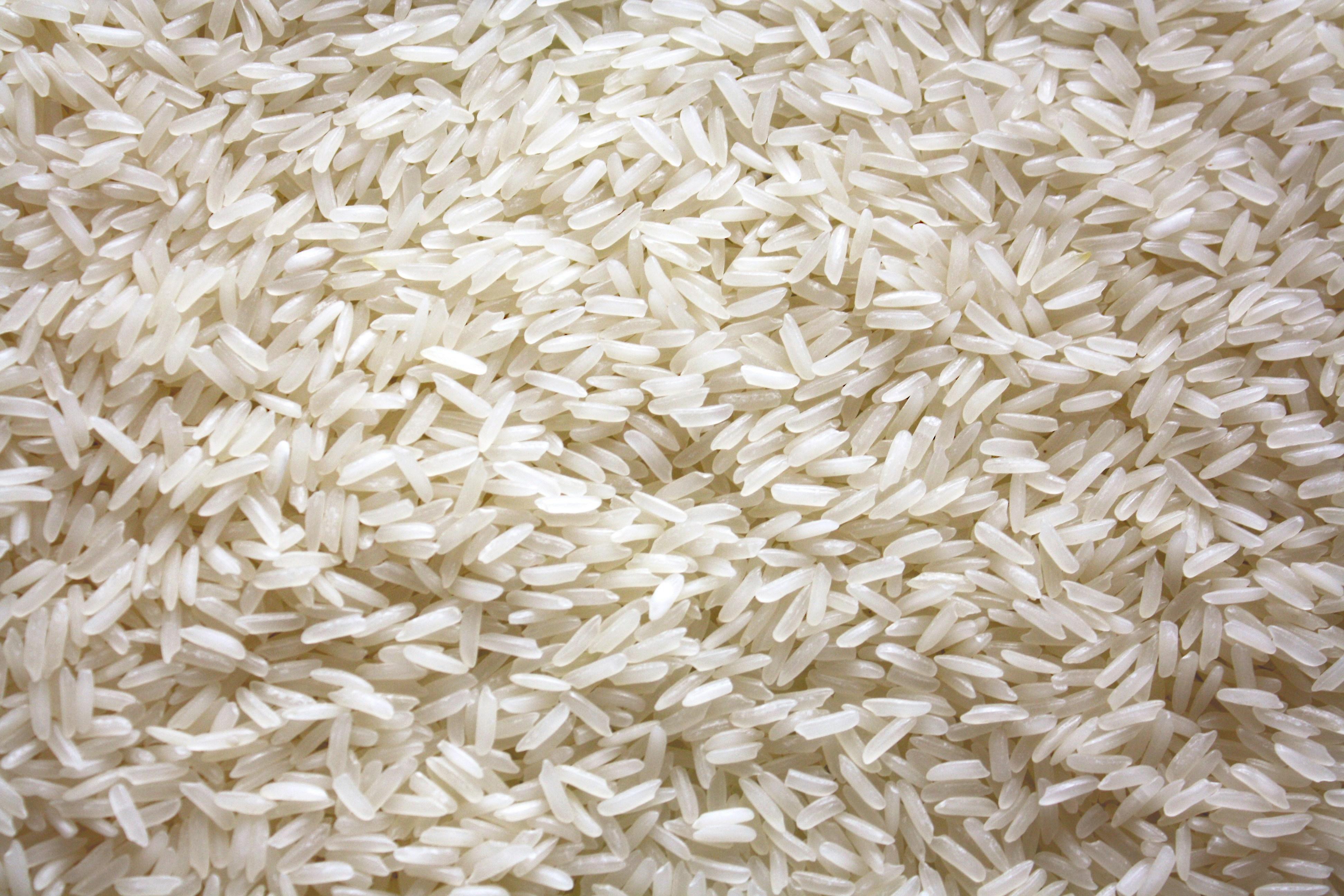
Exploring the Art of Rice Milling and Its impact on Quality
The journey from paddy to polished rice is an intricate dance that merges tradition and technology, culminating in the grains we cherish at our dining tables. Rice milling is not merely a mechanical process; it’s an art form that requires a deep understanding of the grain’s structure and the nuances of milling equipment. Effective rice milling is essential for enhancing the appearance,taste,and nutritional value of the rice.From the removal of husks to the careful polishing and sorting of grains, each step plays a pivotal role in ensuring that the final product meets quality standards that delight consumers worldwide.
Modern rice mills utilize a blend of heritage techniques and advanced technology to achieve optimal results. Factors such as grain moisture content, milling duration, and the condition of milling machines contribute significantly to the overall quality of rice. Below are some key aspects of rice milling that impact the final product:
- Husking Method: Determines how much brown rice is left on the grain.
- Milling Process: Involves various techniques contributing to grain integrity.
- Quality Control Measures: Essential for ensuring consistency in texture and flavor.
| Milling Technique | Impact on Quality |
|---|---|
| Conventional Stone Mill | Preserves more nutrients but may result in uneven polishing. |
| Modern Automated Mill | Ensures uniform grain size and polished appearance, often at a loss of some nutrients. |
| Parboiling Method | Enhances shelf life and nutrient retention but alters texture. |

Key Factors to Consider when Choosing a Rice Mill
When selecting a rice mill, there are several essential elements that play a critical role in ensuring you make an informed choice. Capacity is one of the primary factors; consider how much rice you need to process regularly.A mill wiht higher capacity may be necessary for commercial operations, while smaller units can suffice for family businesses. Additionally, evaluate the technology involved; advanced milling technology can enhance efficiency and preserve the quality of the grains. Look for features such as moisture control systems and automatic monitoring setups, which can drastically improve the milling process.
Another major consideration is the reputation of the rice mill. Research the mill’s history and reviews from previous clients to gauge the consistency and quality of their products. Location also matters; proximity to your supply of raw rice can minimize transportation costs and lead times. moreover, it’s essential to review the customer support services offered. A mill that provides robust support can assist with maintenance and troubleshooting, ensuring your operations run smoothly. Lastly, consider the cost-effectiveness of the mill; balancing quality and price can lead to long-term benefits for your business.
| Factor | description | Importance Level |
|---|---|---|
| Capacity | Volume of rice processed per hour/day | High |
| Technology | Advanced milling techniques for efficiency | High |
| Location | Proximity to supply and markets | Medium |
| Reputation | History and reviews of the mill | High |
| Customer Support | Assistance with maintenance and issues | Medium |
| Cost-Effectiveness | Balance of quality and price | High |
Highlighting Leading Brands and Their Unique Offerings
When it comes to rice production, a handful of brands stand out for their commitment to quality and innovation. Each of these brands brings something unique to the table, whether it be through traditional cultivation techniques or cutting-edge processing methods. Some of the leading rice mills not only focus on the cultivation of premium grains but also invest significantly in enduring farming practices, reimagining the way rice is produced and consumed. Noteworthy brands such as Royal Jasmine Rice and Sunrise Rice emphasize the importance of flavor and aroma, ensuring every bite is an experience. Their dedication to refining their milling processes garners them solid reputations within the culinary world.
In addition to their dedication to quality, many prominent rice mills offer a range of choices tailored to meet diverse consumer needs. For instance, Golden Grain Rice specializes in organic varieties, catering to health-conscious consumers, while Pure Basmati Co. focuses on delivering authentic basmati rice sourced from the Himalayan foothills, renowned for its long grains and exquisite fragrance. Below is a glimpse into their unique offerings:
| Brand | Specialty | Unique Offering |
|---|---|---|
| Royal Jasmine Rice | Thai Jasmine | Fragrant and fluffy, ideal for Asian dishes |
| Sunrise Rice | Sustainable Farming | Eco-friendly cultivation practices |
| Golden Grain Rice | Organic | pesticide-free and environmentally conscious |
| Pure Basmati Co. | Basmati | Authentically sourced from the Himalayas |
Sustainable Practices in Rice Milling: A Growing Trend
In recent years, the rice milling industry has witnessed a critically important shift towards environmentally friendly practices that not only enhance efficiency but also contribute to sustainability. Many rice mills are now implementing methods that reduce energy consumption and waste, ensuring that the entire process from field to table minimizes its carbon footprint. By embracing technologies such as solar energy systems and biomass utilization, these facilities are setting new standards in responsible rice production.
Moreover, the integration of sustainable agricultural practices alongside traditional milling processes is gaining traction. Mills are collaborating with local farmers to promote organic rice cultivation and educate them about eco-friendly practices that reduce chemical usage. This not only enhances the quality of the rice produced but also supports community health and biodiversity. Key sustainable techniques being adopted include:
- Water conservation: Techniques like alternate wetting and drying minimize water usage.
- Crop rotation: This practice helps maintain soil fertility and crop diversity.
- Waste recycling: Using rice husks and straw as biomass for energy generation.
| Sustainable Practices | Benefits |
|---|---|
| Solar energy Systems | Reduces electricity costs and reliance on fossil fuels |
| Biomass Utilization | Generates renewable energy from waste products |
| Organic Cultivation | Promotes healthier ecosystems and higher quality grains |
Insights and Conclusions
As we conclude our exploration of the top rice mills, it becomes evident that the journey of rice from field to plate is not just a story of grain, but a narrative woven with tradition, innovation, and quality. Each rice mill featured in our guide represents a commitment to excellence, ensuring that the staple food we often take for granted is cultivated and processed with the utmost care.
In this rapidly evolving world, where health and sustainability are ever more in focus, knowing where our food comes from and the quality of that food can significantly impact our lives. By tapping into the rich resources and practices of these premier rice mills, we empower ourselves to make informed decisions about what we bring to our tables.
Whether you’re a culinary enthusiast seeking the perfect grain for your next dish or a health-conscious consumer aiming for high-quality staples, the mills highlighted here stand ready to meet your needs. As we embrace the future of food, let us celebrate the craftsmanship and dedication that go into producing the rice we cherish.
Thank you for joining us on this journey to uncover the finest grains. Here’s to many flavorful meals ahead, driven by quality and enriched by knowledge!