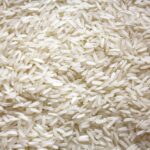
In the lush fields were golden grains sway gently under the sun, rice has long stood as a staple of sustenance and culture across the globe. Yet, the journey from paddy to plate has often been fraught with labor-intensive practices and inefficiencies. Enter the era of industrial rice milling machines—innovative marvels that are transforming traditional methods into sleek, streamlined processes. This article delves into the burgeoning landscape of rice milling technology, exploring how these machines are not only revolutionizing production but also enhancing food security and elevating quality standards. As we navigate through the intricate interplay of innovation and tradition, we uncover the potential of these mechanical advancements to reshape the future of rice production, making it more sustainable and accessible for generations to come.
The Evolution of Rice Milling Technology and Its Impact on production Efficiency
The journey of rice milling technology has seen important advancements, transforming a labor-intensive process into a highly efficient industrial operation. Early milling methods relied heavily on manual labor and simple tools, such as mortar and pestle, wich could only process small quantities of rice. However, the introduction of mechanical rice milling machines revolutionized this process, allowing for the mass production of polished rice. The shift from traditional milling to mechanized operations not only increased production capacity but also improved the quality and texture of the rice, making it more appealing to consumers. Key technologies, such as the rice huller and the destoner, have played crucial roles in separating hulls from kernels while eliminating impurities, thereby enhancing the final product’s quality.
The refinement of rice milling technology has led to the emergence of modern industrial machines that boast enhanced features and automation.These machines utilize advanced milling techniques that facilitate better rice yield and reduce waste, contributing substantially to overall production efficiency. Today’s rice milling plants are equipped with state-of-the-art machinery that includes features like gravity classifiers and color sorters. These innovations allow millers to achieve higher levels of precision and consistency in their products. As the industry continues to evolve, integrating digital technologies such as IoT and AI for monitoring and optimizing milling processes is predicted to further enhance productivity.
| Technology | Impact on Production Efficiency |
|---|---|
| Mechanical Rice Mill | Increased throughput capacity |
| Gravity Separator | Improved quality by removing contaminants |
| Color Sorter | enhanced market appeal by ensuring uniformity |
| Automation | Reduced labor costs and operational errors |

Understanding the Key Features of Modern Industrial Rice Milling Machines
Modern industrial rice milling machines have undergone significant transformations, incorporating advanced technologies that enhance efficiency and product quality. Automation is one of the standout features, allowing these machines to operate with minimal human intervention. This reduces labor costs and the likelihood of human errors, ensuring a consistent milling process. Other notable features include multi-stage processing, where rice is husked, polished, and sorted in a single line, enhancing productivity. Moreover, with the integration of modern sensors, grain quality can be monitored in real-time, adjusting operations to optimize yield and minimize waste.
Another vital characteristic of contemporary milling equipment is energy efficiency. Many machines are designed to consume significantly less power while delivering high throughput. This not only decreases operating costs but also aligns with global sustainability goals. In addition, many industrial rice mills feature modular designs, making them easily adaptable to various scales of production. This versatility enables rice producers to customize their setups according to specific production needs, while advanced cleaning systems ensure that contaminants are minimized, leading to higher-grade rice products. together, these features contribute to a revolution in rice milling operations, pushing forward the boundaries of agricultural productivity.
| Feature | Description |
|---|---|
| Automation | Minimizes labor costs and errors |
| Multi-Stage Processing | streamlines husking, polishing, and sorting |
| Energy Efficiency | Reduces power consumption |
| Modular Design | ensures adaptability for various production scales |
Sustainable Practices in Rice Milling: Innovations for Environmental Responsibility
In recent years, the rice milling industry has shifted towards greener operational methodologies, prioritizing environmental integrity while maximizing efficiency. advances in technology have led to the creation of industrial rice milling machines that not only enhance productivity but also minimize waste and energy consumption. These machines are designed with features that promote recycling by-products, allowing for the effective use of rice husks, bran, and other remnants that were once discarded. Such systems contribute to sustainable farming practices by reducing greenhouse gas emissions and promoting a circular economy within agricultural communities.
Moreover, innovations in rice milling processes have introduced water-efficient technologies that significantly lessen the demand for this critical resource. The new generation of milling machines is equipped with enhanced water management systems, ensuring that water usage is optimized at every step. Benefits include:
- Reduced Water Footprint: Advanced milling techniques provide the same quality output with minimal water usage.
- Energy Efficiency: Many machines now utilize biomass energy derived from rice by-products, further decreasing reliance on fossil fuels.
- Cleaner Processing: Technologies such as dry milling use less water, resulting in fewer pollutants entering local waterways.
This commitment to innovation encapsulates the industry’s transition towards eco-pleasant practices, making rice production more sustainable in both development and distribution.
Recommendations for implementing Advanced Milling Solutions in Agricultural Operations
To successfully integrate advanced milling solutions into agricultural operations, it is crucial to evaluate the specific needs of yoru farm. Conduct a thorough assessment of current equipment, production capacity, and efficiency of the existing milling process. This will provide insight into the necessary upgrades. Consider engaging with industry experts to understand the latest technologies available.This can include features such as automated sorting systems, energy-efficient machines, and real-time monitoring capabilities. Furthermore,training staff to operate these advanced systems is essential to maximize their benefits and reduce the likelihood of operational errors.
When selecting equipment, it’s beneficial to consider not only the initial investment but also the long-term costs associated with maintenance and energy consumption. Look for machines that offer a favorable balance between performance and sustainability. Collaborating with manufacturers who offer after-sales support can ensure smoother transitions during implementation. Establishing a feedback loop within your operations will be vital; continually assess the impact of these technologies on your productivity and quality control. A strategic approach that combines modern innovations with traditional practices may yield the most rewarding results for rice milling operations.
| Key Factors | Considerations |
|---|---|
| Initial Investment | Evaluate budget and ROI |
| Efficiency enhancements | Choose machines with high throughput |
| Energy Consumption | Opt for energy-efficient models |
| Technical Support | Select reliable manufacturers |
The Conclusion
the rise of industrial rice milling machines marks a pivotal shift in the landscape of agricultural production. As technology intertwines with tradition, these machines are not merely tools but catalysts for efficiency, sustainability, and economic growth. The benefits they offer extend beyond mere output; they promise to empower farmers, uplift communities, and enhance food security on a global scale. While challenges remain, the innovation driving these advancements heralds a new era in rice milling—one where tradition and progress coexist harmoniously. As we stand on the cusp of this transformation, the future of rice processing glows brighter, offering a pathway to nourish an ever-growing world with a blend of heritage and cutting-edge technology.